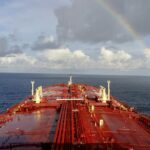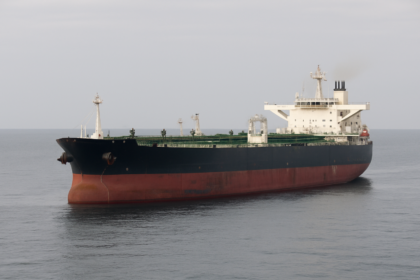


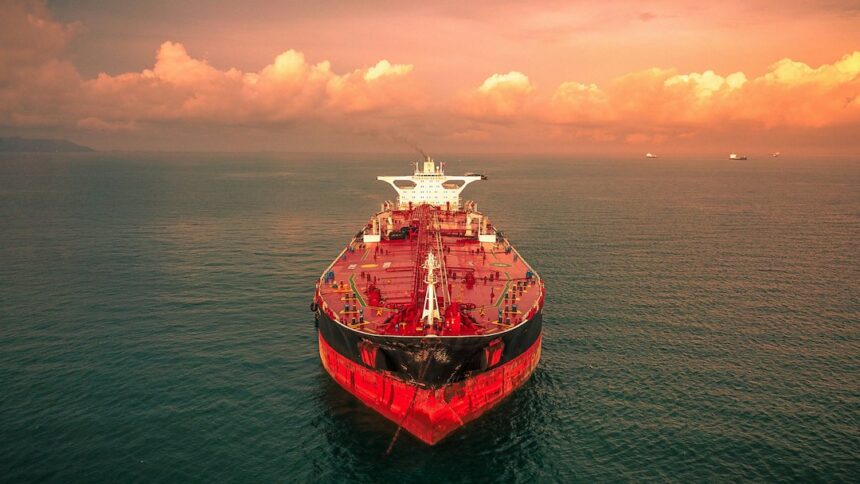
Capital Tankers, a Greek shipowner backed by Evangelos Marinakis, has announced the successful arrangement of $930.3 million in financing to bolster its fleet of Very Large Crude Carriers (VLCCs). This strategic move aims to fund the construction of 11 newbuild vessels currently underway at prominent shipyards in China and South Korea, including Hanwha Ocean and Dalian Shipbuilding Industry Co.
Details of the Financing
The financing package consists of four distinct arrangements signed since late September, indicating a robust commitment to expanding the company’s capabilities in the crude oil transportation market. The secured funding allows Capital Tankers to enhance operational efficiency and respond to evolving market demands for seaborne crude transport.
Market Context
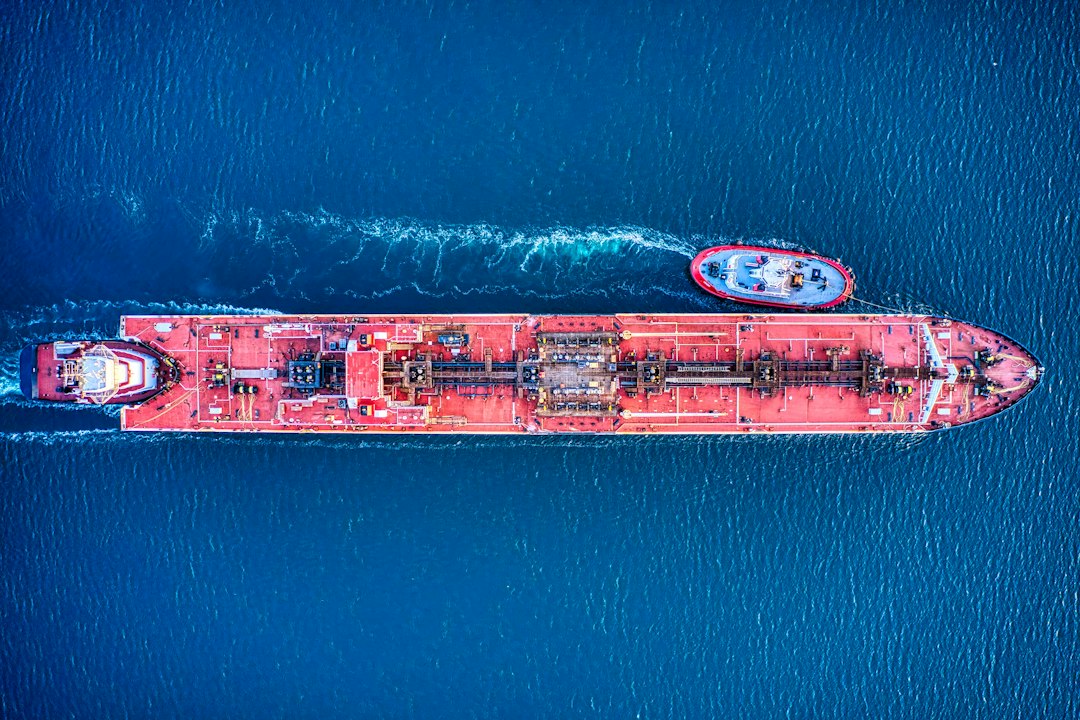
As global energy markets continue to recover, the demand for crude oil transportation has seen a resurgence, prompting shipping companies to bolster their fleet capacities. Capital Tankers’ proactive investment is indicative of broader trends within the maritime industry, where operators are increasingly focused on upgrading and expanding their assets to remain competitive.

Implications for the Fleet
The addition of these new VLCCs will not only augment Capital Tankers’ operational capabilities but also position the company favorably within the global shipping market. These vessels are expected to enhance the efficiency of crude transport operations, particularly as the industry moves towards reducing emissions while meeting the rising demand for energy.
Behind the Headline
This substantial financing for new VLCCs reflects the operational realities facing shipping companies as they adapt to changing market conditions. Expanding the fleet with state-of-the-art vessels enables operators to improve cargo flexibility and reduce costs per ton-mile. As charter rates fluctuate, having a modern and efficient fleet will provide Capital Tankers with a competitive edge. Observers should monitor how these new vessels integrate into the company’s operations, particularly in response to global oil trade dynamics and environmental regulations affecting the shipping sector.