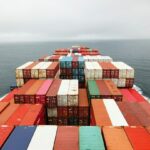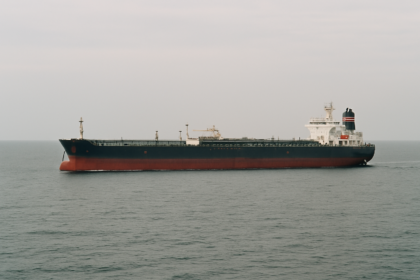


On Monday, Iran’s Revolutionary Guards reported that an oil tanker caught fire after striking a naval mine in the Strait of Hormuz. This incident highlights escalating tensions in a region that serves as a major conduit for global oil shipments, typically representing about 20% of the world’s oil traffic.
The Incident
The tanker reportedly deviated from authorized routes, navigating through the strait’s unauthorized southern passage and disabled its positioning and navigation systems before the incident occurred, according to statements from Iranian state media. The resulting explosion and fire in the engine room led to significant damage. This incident follows a recent pattern of incidents in the strait, with two other tankers reportedly catching fire from similar mine strikes just a day earlier.
Iran’s Response and Military Posture
Iran has tightened its grip over the Strait of Hormuz, asserting control following increased conflict with the United States and Israel that intensified in late February. The Islamic republic has mandated that all ships seek prior authorization before transiting the strait. Iranian naval commander Admiral Ali Ozmaei has issued stern warnings that vessels deactivating navigation systems will be classified as hostile, heightening the risks for international shipping.

Market Impact
The situation poses immediate risks to shipping operators navigating one of the world’s most critical waterways. Following these incidents, the increase in mine threats may prompt a reassessment of shipping routes and safety protocols. The U.S. response includes a naval counter-blockade targeting Iranian oil exports, further complicating the geopolitical landscape and potentially increasing war-risk premiums for operators in the region.
The Operational Read
The emergence of naval mines as a significant threat in the Strait of Hormuz necessitates urgent attention from shipping operators and charterers. With Iranian controls over navigation intensifying, maritime safety protocols will need to account for potential confrontations and increased operational costs. This scenario underscores the importance of situational awareness and adherence to navigation regulations. Operators must monitor developments closely and consider rerouting strategies to mitigate risk, particularly as tensions remain high and incidents continue to escalate.