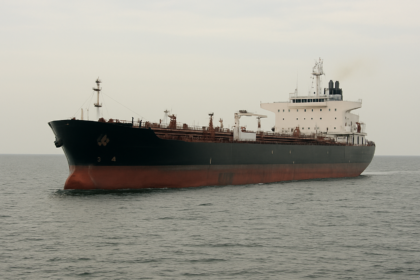
Swedish authorities have granted clearance for the sanctioned tanker Sea Owl 1 to depart Trelleborg after nearly seven months of detention. The decision comes following the confirmation of the vessel’s legitimate registration under the flag of Equatorial Guinea, as stated by the Swedish Transport Agency on Monday.
The Sea Owl 1 had been anchored off Sweden’s southern coast since March 12, when it was boarded due to concerns regarding its registration and seaworthiness. Initially, the tanker was found to be misusing the flag of Comoros and subsequently attempted to transfer to the flag of Cameroon, a move that proved invalid, leaving it without a recognized flag state until recently.
Verification Process
Pernilla Wallin, a unit head at the Swedish Transport Agency, noted the importance of obtaining reliable confirmation directly from the flag state before lifting the operational ban. This verification required extensive efforts and underscored the complexities involved in ensuring compliance with international maritime regulations. Wallin remarked, “For us, it was essential to obtain reliable confirmation directly from the flag state. This has taken time and required extensive work, but we have now received the information needed to lift the detention order.”

The Swedish Coast Guard echoed these sentiments, with deputy head Daniel Stenling expressing concern over vessels that disregard international agreements by falsely flying flags. He stated that such actions pose significant risks to safety in shipping lanes. Stenling welcomed the release of Sea Owl 1, highlighting the unusual length of the detention period.
Sanctions and Operational Status
Despite the vessel’s release, it remains on the European Union’s sanctions list due to its association with Russia’s oil trade. Swedish authorities revealed that Sea Owl 1 has transported petroleum products between Russia and Brazil in recent years. However, investigations into possible sanctions violations by its two captains were closed, with Swedish authorities affirming that no ongoing violations are suspected.
The lifting of the operating ban indicates a temporary resolution to the challenges posed by vessels operating under dubious registrations. The Swedish Coast Guard has heightened enforcement measures against such vessels, with two others, Caffa and Jin Hui, still subject to restrictions.
Behind the Headline
The release of Sea Owl 1 emphasizes the ongoing challenges maritime authorities face in regulating vessels from Russia’s shadow fleet, which often employ questionable registration practices to evade compliance with international norms. This case highlights the intricacies of flag registration and the importance of diligent oversight to maintain safety and protect maritime interests. Operators and charterers must remain aware that similar situations may arise as authorities tighten scrutiny over flag state legitimacy, particularly concerning vessels involved in trades linked to sanctioned nations. It is critical for shipping companies to ensure their compliance with international regulatory frameworks, especially in the evolving landscape of maritime sanctions.