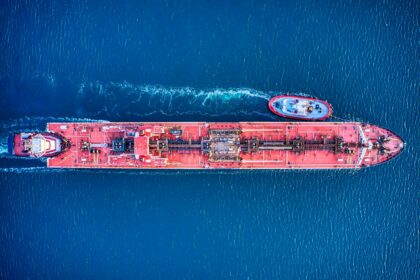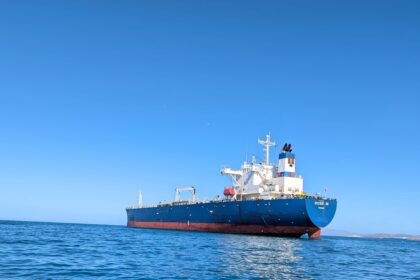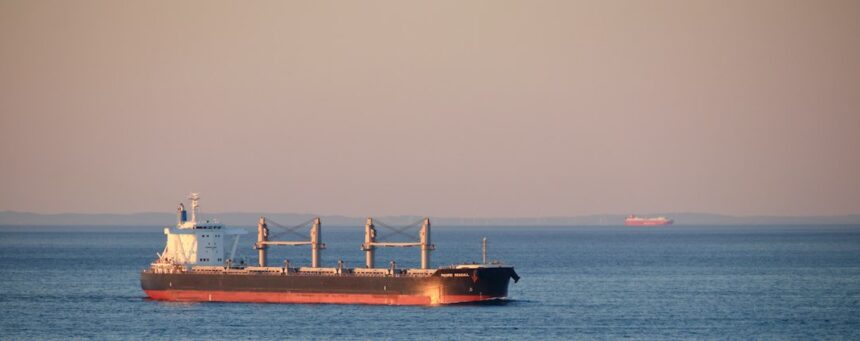
Incidents of violence against commercial shipping in the Gulf region have intensified, with a notable attack on the Nicaragua-flagged tanker Petro Dolphin resulting in two Indian seafarers unaccounted for. The attack occurred on Sunday at Sohar Anchorage, where a drone struck the vessel, prompting immediate safety concerns across the maritime sector.
The Incident
While at anchor in Oman, the Petro Dolphin was targeted by a drone strike, leading to significant operational disruptions. This incident follows another attack on a tanker that was targeted by a projectile while exiting the vital Strait of Hormuz, underscoring the growing risks faced by maritime operators in the region.
Impact on Maritime Operations
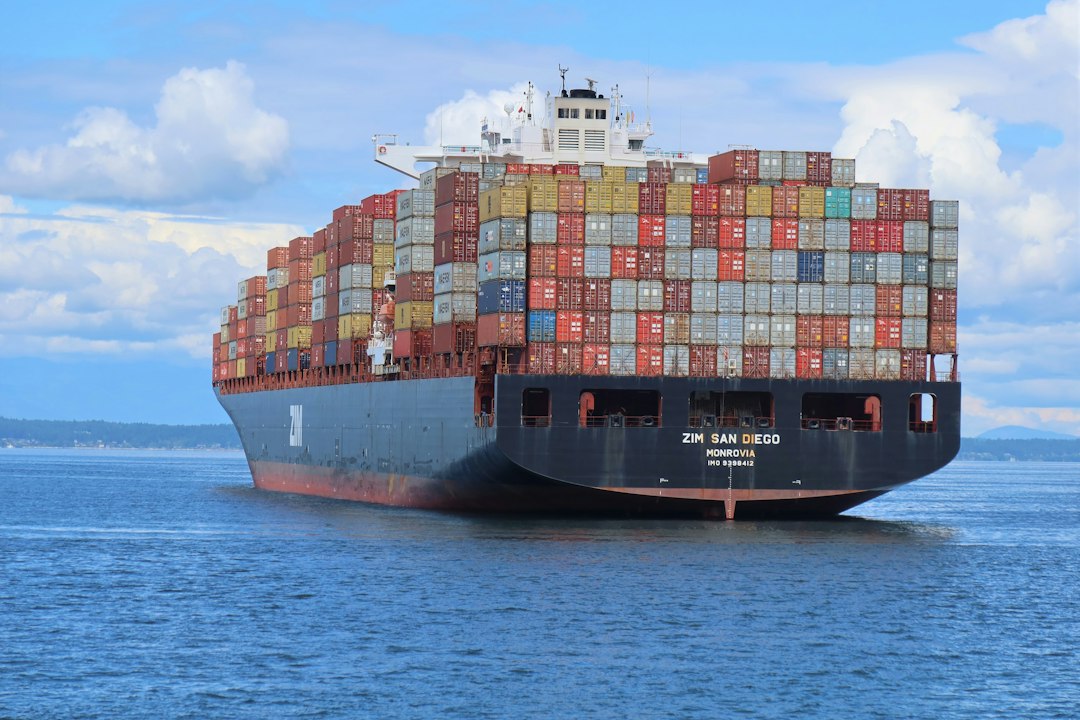
The escalation of attacks poses an urgent challenge for shipping companies operating in the Gulf. As the region is a critical chokepoint for global oil transport, including around 20% of the world’s oil supply transiting through the Strait of Hormuz, the ramifications extend well beyond individual vessel operations. Companies may need to implement enhanced security measures and reassess routing protocols to mitigate risks. Additionally, the potential for increased war-risk insurance premiums is a looming concern for operators.

Response from Authorities
In light of these incidents, Indian authorities are likely to reassess their protocols for maritime personnel working in the Gulf. Measures may include heightened security assessments and possible advisories for crews operating in these volatile waters. The safety of seafarers remains a priority, with governments urged to coordinate responses given the international implications of such attacks.
Behind the Headline
The recent spike in attacks highlights persistent geopolitical tensions that impact the safety and security of maritime operations in the Gulf. For operators involved in shipping, the loss of personnel not only represents a humanitarian concern but also poses operational and financial challenges. As the maritime industry adapts to these evolving risks, operators must remain vigilant and proactive, considering adjustments to operational routes, enhanced security protocols, and the rising necessity for insurance coverage against attacks. The focus will now be on how shipping companies and governments respond to this evolving threat landscape.