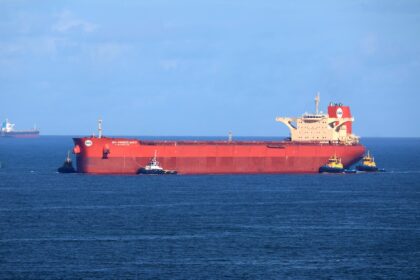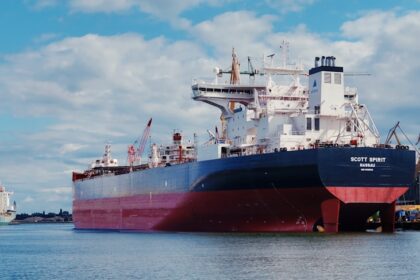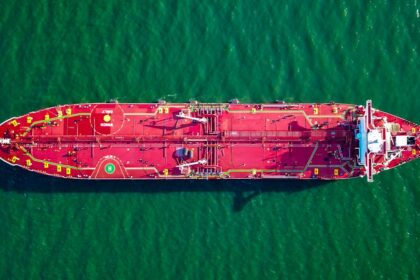
On October 9, 2026, the Dutch government introduced proposed legal changes aimed at more effectively confronting the operations of Russia’s shadow fleet. This fleet, notorious for circumventing international sanctions, often operates under false flags, raising regulatory challenges for maritime authorities.
Details of the Proposed Legislation
The Dutch government’s adjustments would empower its enforcement agencies to detain vessels illegally flying a flag in the Dutch Exclusive Economic Zone (EEZ). According to a statement from the government, vessels suspected of being part of the shadow fleet could be compelled to anchor or dock at designated ports for thorough inspections. This approach is anticipated to enhance the enforcement of sanctions against Russia, which has utilized these tactics to maintain its shipping operations.
Potential Russian Repercussions
In response to the proposed legislation, the Russian embassy in the Netherlands issued warnings of possible retaliatory actions against Dutch operators. A statement emphasized that Moscow is prepared to mirror any hostile measures, highlighting the delicate balance of maritime diplomacy. This assertion raises concerns over the security of commercial shipping in the region, particularly in the context of ongoing maritime threats attributed to Russian military activities.

Broader Implications for Maritime Security
This development occurs against a backdrop of increasingly aggressive actions by Russian forces in the Black Sea, where drone strikes have targeted commercial vessels. Such incidents underscore the vulnerability of maritime commerce in areas close to Russia’s operational theaters. European nations are now closely monitoring potential escalations, reinforcing their military and maritime readiness in anticipation of further provocations.
Behind the Headline
The proposed legislative changes reflect a strategic move by the Netherlands to enhance its maritime jurisdiction and protect shipping lanes from illicit operations. For operators, the implications could be significant; increased inspections may lead to delays and elevated costs related to laytime and demurrage. The potential for retaliatory actions from Russia adds a layer of complexity for charterers navigating these waters. Stakeholders should prepare for heightened tensions and potential operational disruptions in the region.