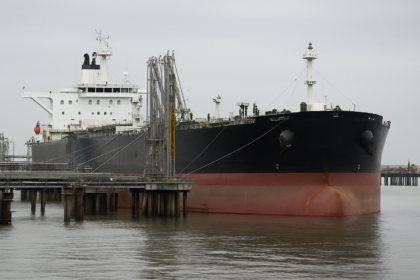
In September 2026, Russian tanker operators achieved a notable milestone by boosting crude oil exports to the highest level since the implementation of G7 price caps. Data from S&P Global Commodities at Sea and Maritime Intelligence Risk Suite indicates that Russian tankers, specifically those flagged and operated by domestic companies, lifted nearly 2.89 million barrels per day (b/d), compared to 2.7 million b/d in August.
The total volume of Russian crude seaborne exports rose to 4.09 million b/d, a significant increase from 3.82 million b/d in the preceding month. This represents an upward trajectory for Russian exports since the G7 and European Union imposed maritime service bans on Russian crude unless sold below an established price threshold in December 2022.
Utilization of Non-G7 Tankers
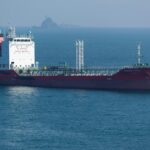
Tankers owned and operated by firms outside of G7 nations continued to play a pivotal role in this uptick. The share of Russian crude lifted by non-G7 vessels remained consistent on a month-to-month basis, signifying a stable reliance on the shadow fleet that has evolved as a strategic response to Western sanctions. Reports indicate that shipments surged from 18.6 million barrels in August to 20.6 million barrels in September.

State-owned carrier Sovcomflot’s tankers accounted for 6.4 million barrels in September, with smaller, less prominent companies managing the remainder. All vessels involved claimed Russian flags, reflecting a trend toward greater domestic involvement in national oil exports.
Regulatory Complications and Fleet Dynamics
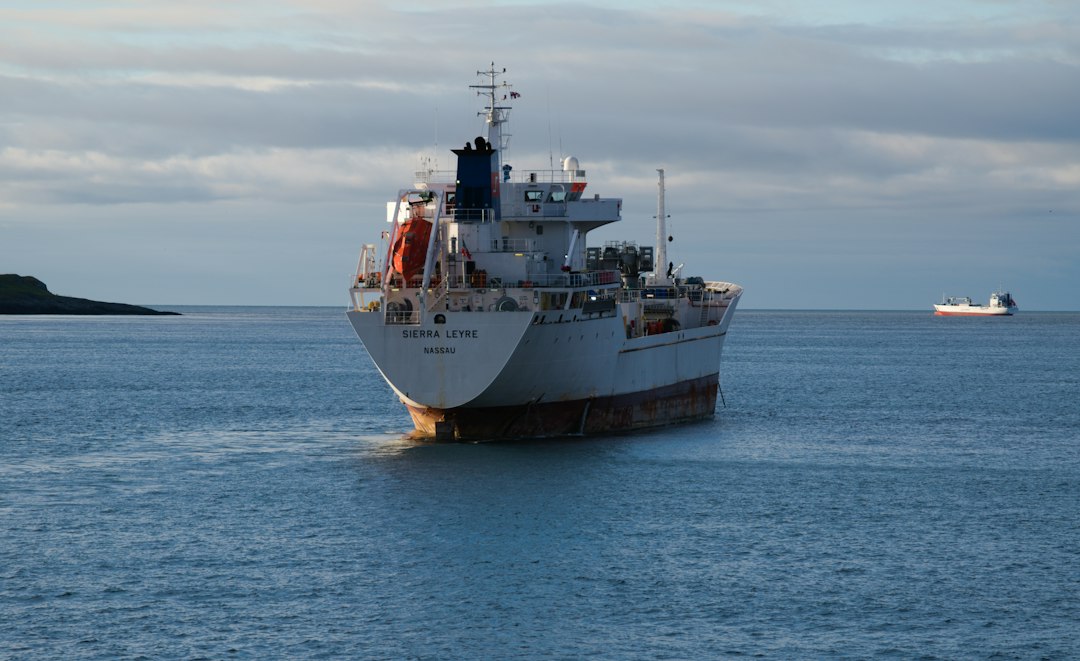
The International Maritime Organization (IMO) has recently intensified its efforts against fraudulent flag registrations, revealing that over 110 ships with a total deadweight carrying capacity of 9.78 million tons were either removed from their registries or falsely claimed by member states. The study indicated that over 100 of these vessels were sanctioned tankers implicated in Russian trade routes.
In contrast, G7-operated tankers recorded an increase in loaded volumes, reaching 17.3 million barrels in September, up from 13.6 million barrels in August. This uptick is attributed to a decrease in reported tanker attacks within the Black Sea, though the financial viability for firms engaging in Russian trade is diminishing. Time-charter-equivalent earnings for Aframax tankers transporting Russian oil from the Baltic to West Coast India have lagged behind the Global Aframax Index since early September, indicating reduced incentives for mainstream operators.
Behind the Headline
The operational landscape for Russian crude exports continues to evolve as the reliance on non-G7 tankers becomes more pronounced. The persistence of sanctions and the international regulatory environment complicate traditional shipping practices. With a noted increase in the use of domestic fleets, operators must remain vigilant concerning compliance risks associated with flag regulations. The overall market response and fluctuations in freight rates will be critical indicators of future trends as the situation unfolds. Stakeholders should monitor the dynamics of the shadow fleet and assess potential impacts on global supply chains.