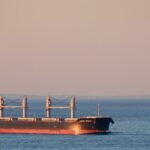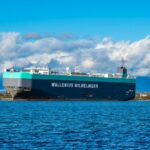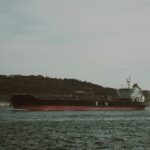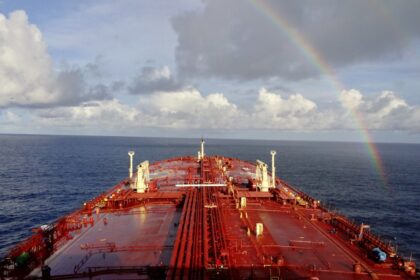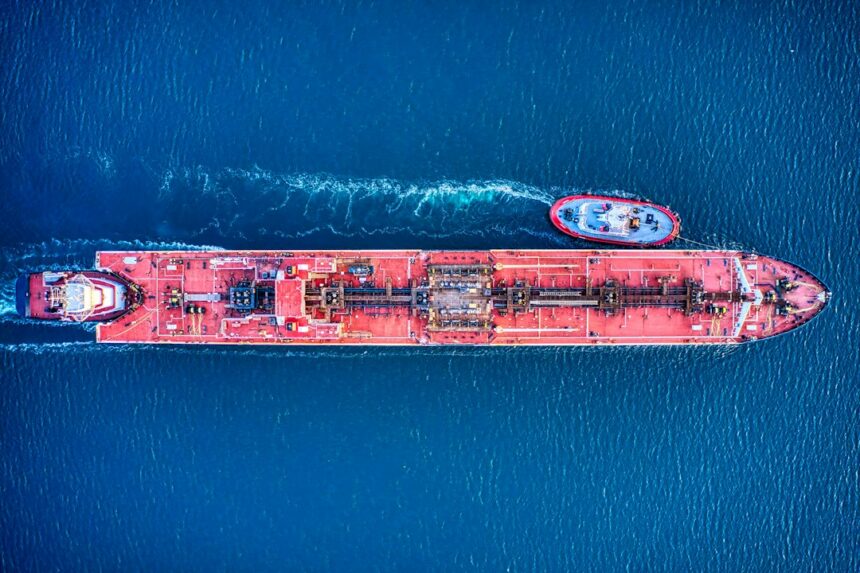
The United Kingdom on Thursday imposed sanctions on 12 oil tankers identified as part of Russia’s expanding shadow fleet. This action forms part of a larger set of 38 designations aimed at tightening trade restrictions related to Russian oil exports.
Details of the Sanctioned Tankers
The sanctioned vessels include nine chemical/products tankers and three oil tankers. Notable among them is the 21,297-dwt tanker Dakar, which is currently making an atypical late-season voyage along the Northern Sea Route while transporting methyl tert-butyl ether, a key gasoline-blending component. This tanker, built in 2004 and classified as Ice Class 1B, exemplifies the increasing reliance on older vessels within Russia’s Arctic shipping operations.
Rise of the Shadow Fleet
The UK’s latest sanctions bring the total number of shadow-fleet oil tankers officially sanctioned by the country to over 600. The Foreign, Commonwealth and Development Office highlighted the importance of these measures, stating, “The message is simple: if you help Russia fund or equip this war, you will face the consequences.” Bellona’s Environmental Transparency Center has reported a marked increase in shadow-fleet vessels operating in the Arctic. As of mid-September 2026, 50 shadow-fleet oil tankers and 18 LNG carriers were tracked on the Northern Sea Route, exceeding the totals for the entire 2025 shipping season.

Implications for Arctic Shipping
The figures illustrate a concerning trend where sanctioned and aging vessels are increasingly facilitating Russia’s oil movements toward Asian markets. Analysis indicates that around 75% of the oil tankers monitored by Bellona during the recent navigation season were already under sanctions. Furthermore, issues around vessel suitability are raised, as 26 out of the 50 identified oil tankers lacked adequate ice class ratings or were too old for safe operation in Arctic conditions.
Behind the Headline
The recent sanctions underscore the operational challenges facing shipping operators in the Arctic. The emphasis on compliance against the backdrop of increased Russian maritime activity complicates logistics for companies navigating these waters. The rising trend of utilizing older and often non-compliant vessels not only poses risks for operators but also highlights significant gaps in regulatory oversight for Arctic shipping. Monitoring patterns will be crucial as the global community assesses its strategic responses and as Russia adapts its logistical framework in the face of international sanctions.