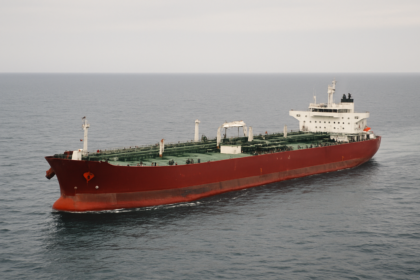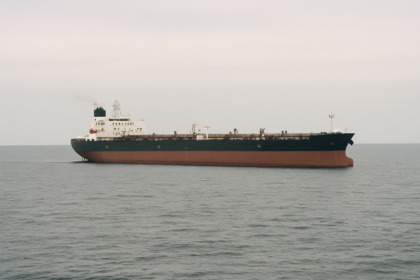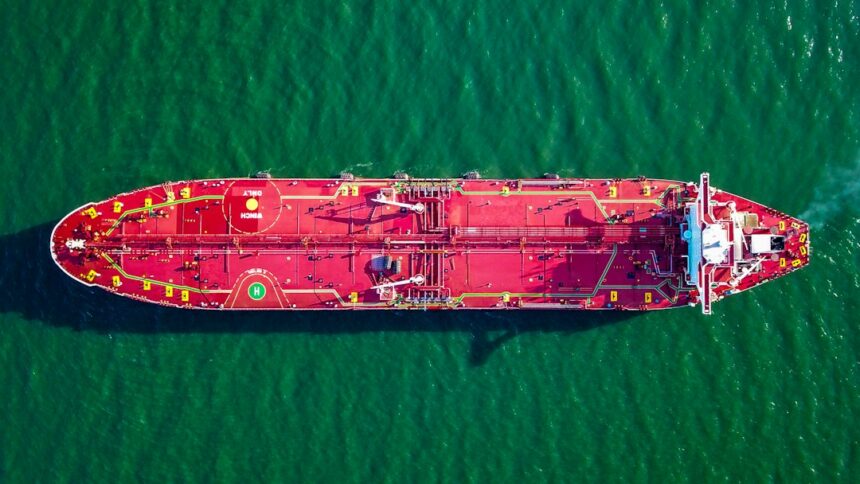
Tracking data from United Against Nuclear Iran (UANI) reveals that Iran’s offshore crude oil stockpile is rapidly depleting as a result of the U.S. maritime blockade, particularly affecting operations in Southeast Asia. As of September, it is estimated that only approximately 10 million barrels of Iranian crude remain in floating storage in the region, down from a much larger volume accumulated prior to the blockade. This decline indicates that one of Iran’s final buffers against the impacts of the blockade is nearing exhaustion.
Impact of U.S. Blockade
Since the enforcement of the U.S. blockade, no new Iranian crude has been observed crossing the blockade line after July 14. This blockade has pressured Iran’s ability to export oil, with reports indicating a significant drop in export rates. In September, Iranian exports were recorded at just 50,789 barrels per day, a stark contrast to the 966,133 barrels per day reported in July. This drastic downturn has placed heightened importance on Iran’s offshore reserves, as strategic shipments are increasingly scrutinized.
Ship-to-Ship Operations
UANI’s monitoring indicated that in September, there were eight ship-to-ship transfers in the Malaysian Eastern Outside Port Limits (EOPL), which involved transferring a total of 9 million barrels of Iranian crude. These transfers were primarily aimed at supplying Chinese independent refiners, often referred to as “teapots.” This activity continued despite a spike in regulatory enforcement from Malaysian authorities targeting operations of sanctioned vessels. Reports highlighted that around 25 ghost fleet tankers left the area following the enforcement actions, while some relocated to northern operations in the South China Sea.


The Operational Read
The depleting stockpile of Iranian crude raises critical implications for the country’s oil export capabilities and regional market dynamics. Operators should be vigilant of the constraints on Iran’s floating storage capacity, as this can directly affect supply routes and pricing volatility for buyers, particularly in Asia. The increase in surveillance and enforcement activities around Malaysia may further limit operational flexibility for Iranian tankers, necessitating a broader strategic adaptation among shipowners and charterers engaged in the region. The near-term response from Iranian logistics and export strategies will be pivotal as traditional supply pathways face increasing scrutiny, and alternative routes or storage solutions may need to be urgently explored.