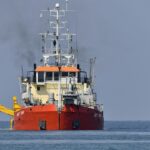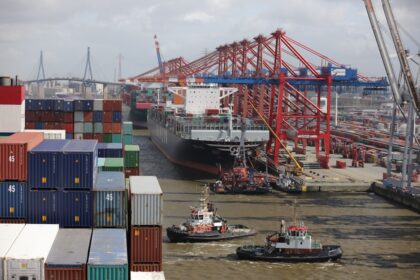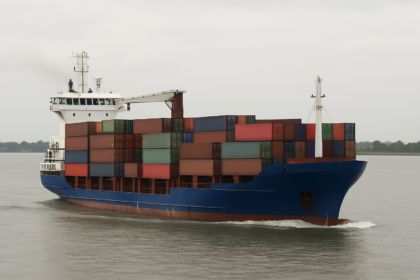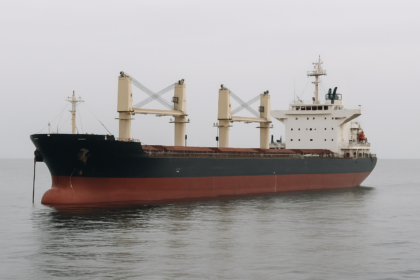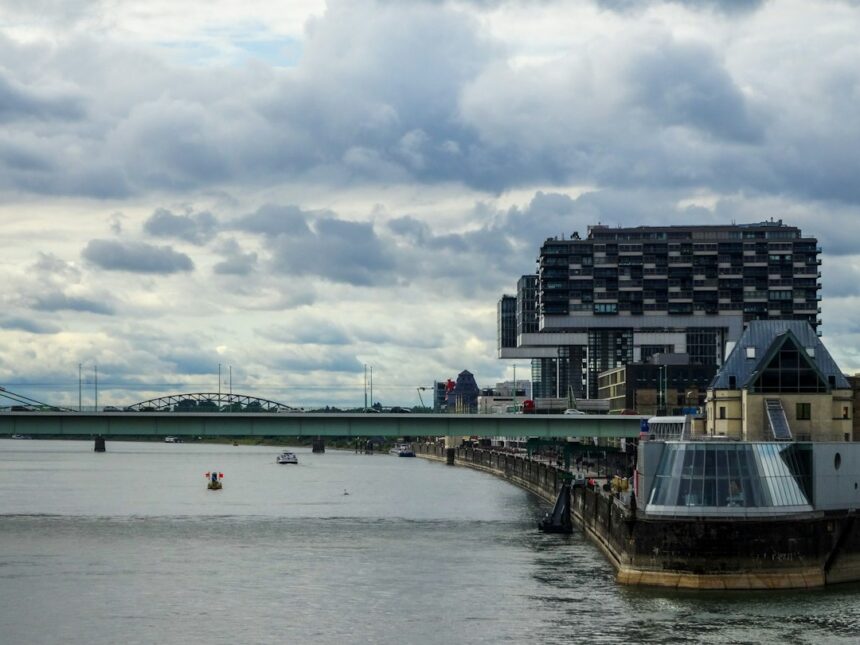
Water levels in the Rhine River have fallen to critical lows, significantly undermining shipping operations along one of Europe’s vital transportation corridors for energy and industrial commodities. As of Saturday, the water level at the Kaub gauge registered 3 centimeters below the established threshold necessary for safe vessel navigation, complicating cargo capacity and heightening the risk of vessel grounding.
By Monday, water levels at Kaub had improved slightly, reaching 2 centimeters; however, the broader implications for freight costs and shipping logistics throughout central Europe remain severe. In response to the low water conditions, shipping costs for diesel between Rotterdam and Karlsruhe surged by 15%, illustrating the immediate financial repercussions of this logistical disruption. Over the course of September, shipping costs have more than doubled as sustained dry weather continues to impact the region.
Significant Economic Impact
The Rhine River is pivotal for the transportation of energy and raw materials, with a dense network of chemical plants, refineries, and steel factories, including operations belonging to BASF SE, Bayer, Covestro AG, and Shell plc. Consequently, disruptions to shipping operations threaten to strain supply chains that connect European industries with global markets.

This summer has recorded unprecedented heat levels, leading to multiple waves of drought that have drastically reduced water inflows to the Rhine, challenging the reliability of this vital shipping route. Reports indicate that some chemical producers along the Rhine have begun curtailing production or declaring force majeure on specific products due to the disruptions, exacerbating the situation amid already volatile demand and energy prices.
Future Outlook and Adaptations
Experts warn that the ongoing drought conditions signify a trend that could redefine logistics and operational planning along the Rhine. Arne Lohmann Rasmussen, head of research at Global Risk Management, indicates that replacing freight capacity lost due to low water levels may require substantial truck transport resources, potentially up to 3,000 daily tanker trucks for oil cargoes alone. This reality could further strain logistics networks and increase costs in an already challenging economic environment.
Forecasts from the German Federal Institute of Hydrology suggest that water levels may again dip below the critical shipping threshold by Tuesday evening, with dry conditions predicted for the week ahead. Although an eventual rebound in water levels is anticipated by early October, the frequency of low-water events poses a growing economic risk, urging stakeholders across the Rhine corridor to reassess operational tactics and contingency plans for navigating this evolving climate challenge.
Behind the Headline
This situation reflects a broader operational challenge faced by shipping and logistics companies within the context of climate change. The diminishing reliability of natural waterways necessitates that operators incorporate adaptive strategies into their planning, considering alternatives that may include increased reliance on road transport and intermodal solutions. The stakes are particularly high for industries reliant on just-in-time delivery systems that cannot afford disruptions. Companies must prioritize resilience to fluctuating water levels or risk potential significant economic losses as low water conditions become an all-too-common occurrence.