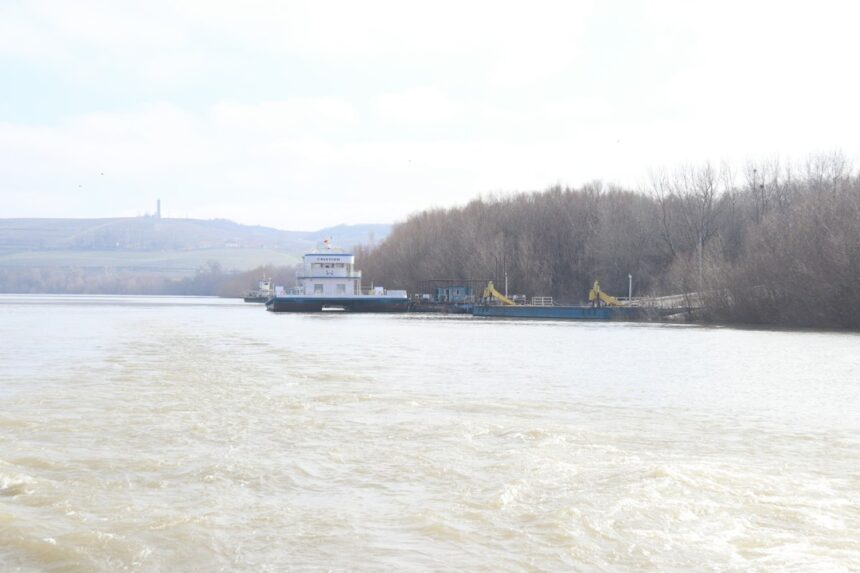
Four Romanian officials, along with two additional defendants, have been indicted over a fraudulent procurement scheme involving two tugboats financed by a €7 million European Union project. The European Public Prosecutor’s Office (EPPO) announced the charges on Monday, stating that the vessels failed to meet essential operational specifications for navigation on the Lower Danube River.
The Allegations
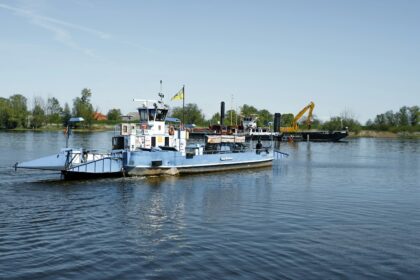
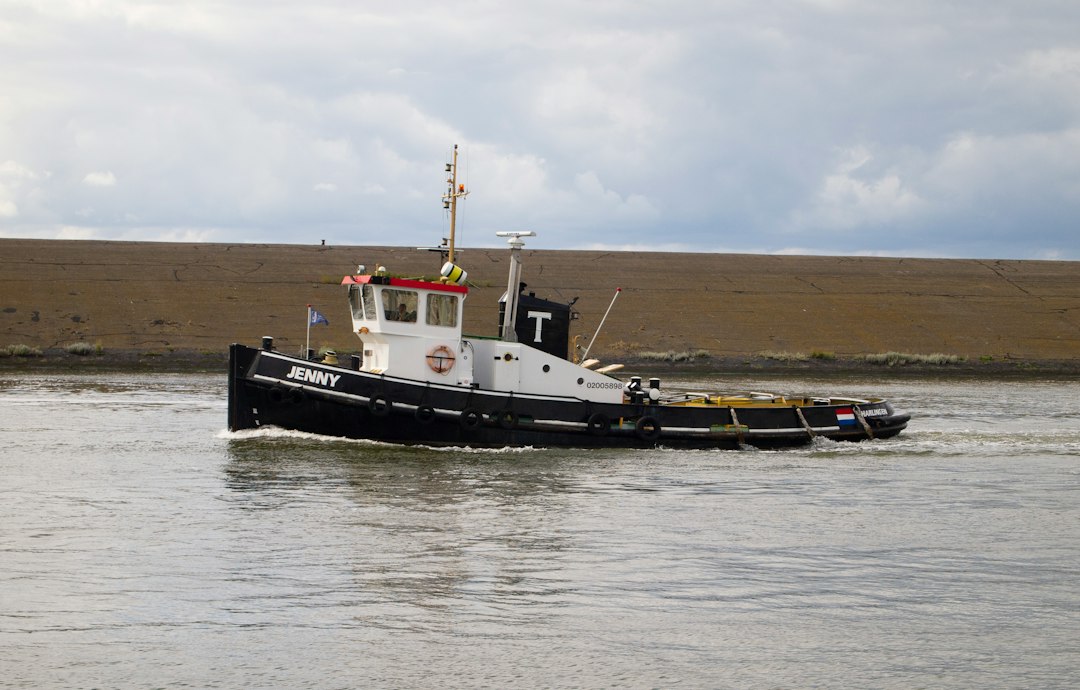
The tugboats were intended to enhance navigation along the Lower Danube, particularly during low water conditions, and provide assistance to vessels in distress. However, the indictment alleges that the specifications for the procurement were manipulated to favor a single company, effectively limiting competition. While the two multipurpose, ice-class tugboats were delivered in 2021, they failed to meet a critical requirement: an allowable draft of two meters. Both vessels were found to have a draft of 2.6 meters, which significantly restricts their operational use on the river, especially during crucial low-water periods.
Impacts on EU Funding
The EPPO estimates that the fraudulent procurement has resulted in a loss of around €7 million to the EU budget, raising serious concerns regarding the management of European Union funds allocated for infrastructure projects. The indictment highlights the consequences of procurement irregularities, particularly within publicly funded maritime projects that can lead to the misuse of resources and ineffective asset utilization.


Legal Consequences
The case has now been filed in a court in Iași, Romania. If convicted, the defendants could face prison sentences ranging from three to ten and a half years. This case serves as a critical reminder of the need for rigorous compliance and oversight in public procurement processes, particularly concerning maritime infrastructure.
The Operational Read
This case underscores significant operational challenges within public maritime procurement practices, particularly in the management of EU-funded projects. The failure to deliver vessels that meet the required technical specifications raises questions about oversight mechanisms within Romania’s Lower Danube River Administration. For operators, such procurement fraud emphasizes the need for stringent due diligence in supplier selection and contract management to ensure equipment will meet operational demands. Stakeholders must remain vigilant about regulatory compliance and the implications of such failures, as they can lead to substantial financial burdens and operational setbacks in critical inland waterways.