Proposed Export Restrictions
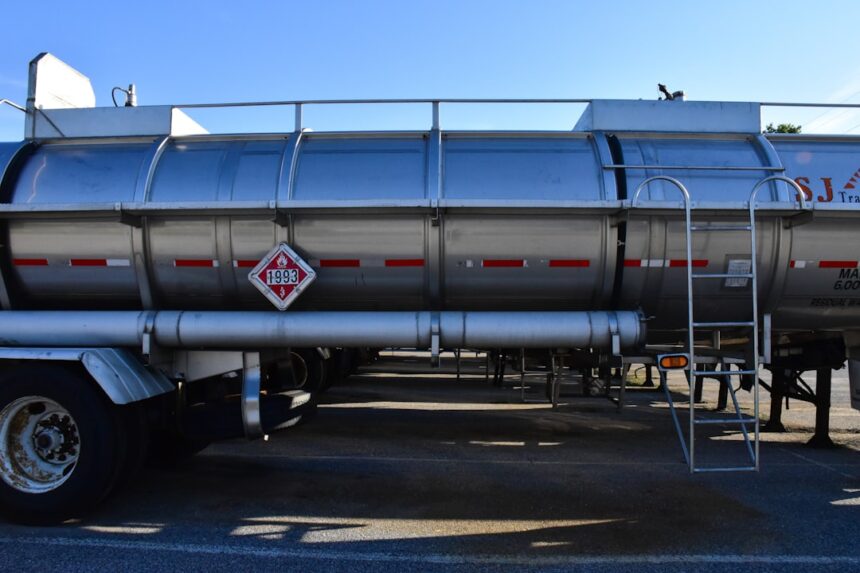
In response to soaring diesel prices resulting from geopolitical tensions in regions such as Iran and Ukraine, President Donald Trump has expressed support for a potential ban on U.S. diesel exports. This development arrives as retail diesel prices have surged above $6.50 per gallon, prompting significant concerns among American voters, especially with midterm elections approaching.
Impact on Supply Chains
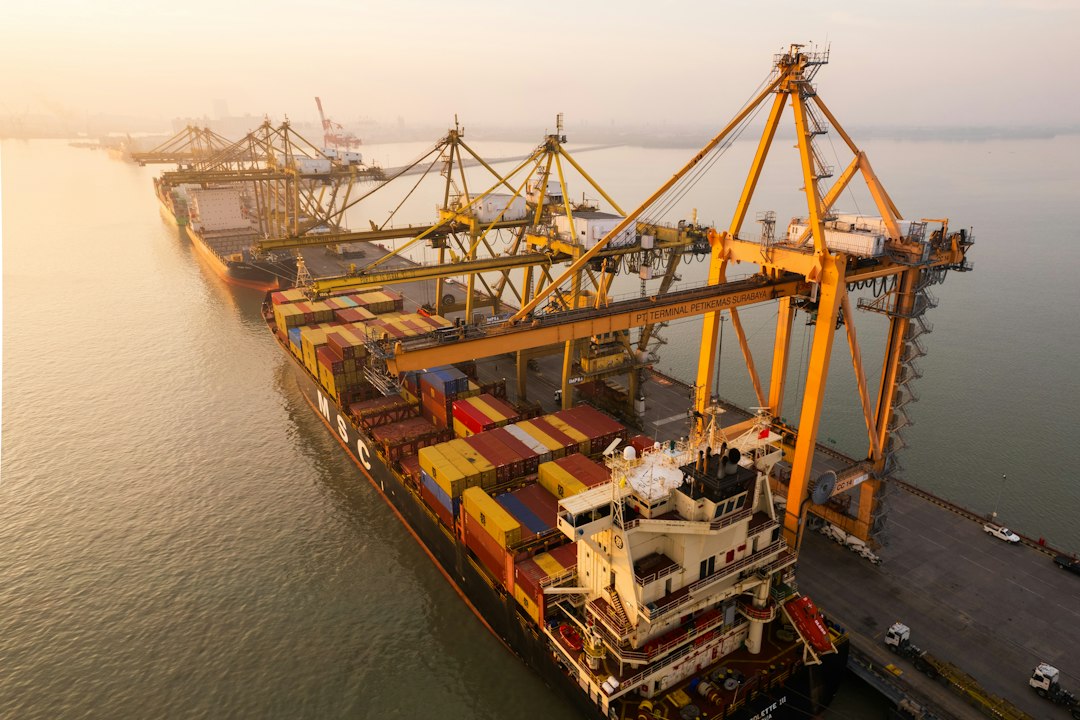
Industry experts have raised alarms regarding the implications of restricting diesel exports. Erik Milito, head of the National Ocean Industries Association, noted that such a ban could disrupt existing supply chains and adversely affect American oil producers. While an initial increase in domestic fuel stockpiles might appear beneficial, the long-term effects could lead to reduced output from U.S. oil producers, ultimately driving fuel prices higher.
Political Pressures Intensify
Republican lawmakers are increasingly calling for restrictions, highlighting the critical role of diesel in agricultural and rural energy needs. Senators Chuck Grassley and Dan Sullivan have publicly supported the ban, suggesting it would alleviate pressures on domestic consumers. Sullivan emphasized that “American fuel should stay home with Americans,” reflecting the heightened urgency of the matter as voters express frustration over rising fuel costs.


Behind the Headline
The push for a ban on diesel exports encapsulates a complex intersection of domestic energy policy and geopolitical realities. While the intention is to provide short-term relief for American consumers, the operational challenges posed by such a policy could have far-reaching effects. The potential reduction in U.S. refinery output, caused by limited export options, risks negating any initial benefits of increased domestic supply. Moreover, the dynamics of global oil markets must be considered, as U.S. producers rely on international demand to sustain their operations. Monitoring how this policy discussion unfolds will be key for industry stakeholders, who will need to navigate the impacts on operations, market pricing, and consumer expectations.