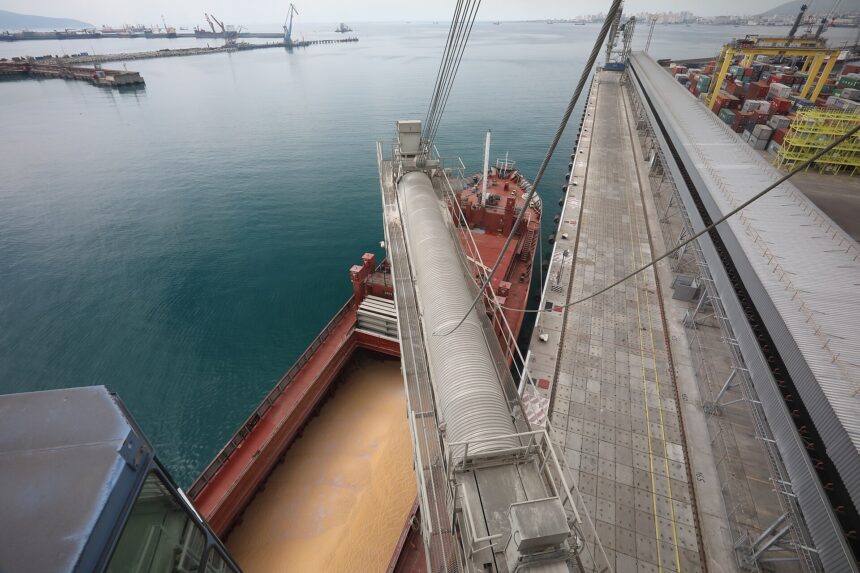
The ongoing blockade in the Black Sea poses a significant risk to global food supplies, particularly affecting wheat shipments, amid heightened military tensions between Russia and Ukraine. This escalation follows a series of severe attacks on both nations’ port infrastructures, rendering large volumes of grain stranded and unshippable.
The Impact on Global Food Security
Tu Vuong, CEO of Golden Wheat in Vietnam, highlighted his company’s precarious situation, having initially secured four cargoes of wheat from the Black Sea, which comprises a substantial part of their annual needs. However, shipping disruptions led to panic and extensive efforts to source alternative grain supplies, emphasizing the extent to which the conflict has impacted food security in regions far from the battlefield.
As the leading exporter of wheat, Russia, alongside Ukraine, contributes to around a quarter of the world’s wheat supply. This relationship is critical as the Black Sea serves as a vital conduit not only for wheat but also for other major crops, including sunflower oil and corn. The interruption of grain shipments threatens to exacerbate inflation, as evident in the escalating prices of wheat which have recently hit a three-year peak.

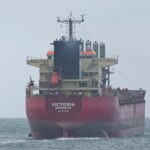
According to analysts, these developments could mirror the strategic importance of the Strait of Hormuz for oil, with observers warning that the global ramifications of food supply disruptions are not being fully factored into the broader economic outlook. Furthermore, nations dependent on Black Sea grain, such as Egypt, are already grappling with halted shipments, deepening their food security challenges.

Current Situation and Alternative Solutions
As the conflict escalates, Russia’s exports continue to be obstructed by Ukrainian drone strikes, while Ukrainian grain is trapped due to port blockages. This scenario has resulted in backups of harvests, with limited storage capacities further complicating the situation. Compounding the crises, Ukraine’s neighbors are imposing bans on grain imports due to internal political pressures.
To navigate these disruptions, grain operators like Golden Wheat are pivoting towards alternative sources, such as securing wheat from Bulgaria. However, logistical challenges persist, highlighting the urgent need for reliable supply chain routes to prevent further deterioration of food security in vulnerable regions around the globe.
The Operational Read
The blockade in the Black Sea illustrates the fragility of global food supply chains in conflict-prone areas. Operators are urged to assess their reliance on sourcing from potentially unstable regions while exploring diversified supply channels. For traders and logistics providers, demand for alternative shipping routes and supply sources is likely to intensify as countries brace for prolonged food insecurity. Vigilance is required to monitor the evolving geopolitical landscape, as further disruptions could result in cascading effects on food pricing and availability worldwide.