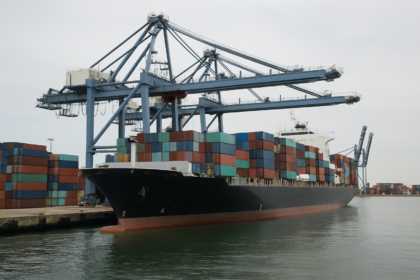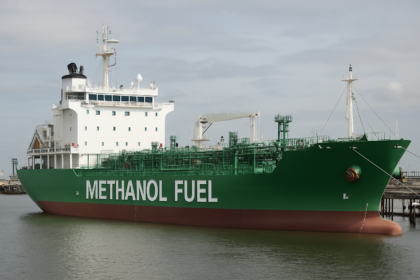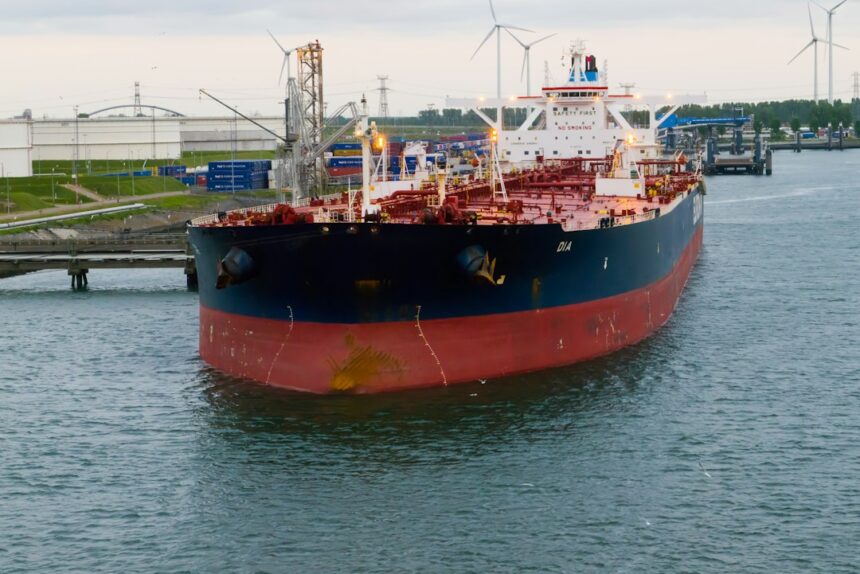
Decisions regarding engine technologies made today will significantly influence the maritime industry’s fuel landscape through 2050. According to a joint analysis by the Global Centre for Maritime Decarbonisation (GCMD) and Boston Consulting Group (BCG), the newbuilds produced over the next decade—only about 4% of the global fleet is renewed annually—will establish much of the engine capacity that vessels will employ by 2050.
One of the primary findings indicates that while the technology for dual-fuel engines provides flexibility for shipowners to switch between traditional fuels and emerging alternatives, economic variables remain a determining factor in actual fuel usage. The report emphasizes that fuel competitiveness is vital for the adoption of alternative fuels.
Insights from the Model
The study utilizes a model that forecasts fuel economics and regulations, highlighting that under the current IMO Net-Zero Framework, a Tier-2 penalty set at USD 380 per ton of CO2 equivalent through 2050 will lead methanol dual-fuel engines to represent around 10% of the fleet engine capacity but only consume a mere 2% of the fleet’s energy. This is predominantly attributed to the sustained economic advantage of traditional fuels over alternatives.


Conversely, a hypothetical increase in the Tier-2 penalty to USD 700 per ton of CO2 equivalent could drastically shift the scenario, resulting in new fuels, including drop-in options, representing approximately 61% of fleet energy consumption. The analysis underscores that while EU regulations are relevant, their impact on global energy demand is limited, covering only about 20% of it.
Comparative Economics of Alternative Fuels
The research also assesses the economic landscape of promising new fuels—e-methanol and e-ammonia. Currently, their overall costs show a near parity trend, with e-ammonia benefiting from lower production costs. However, logistical considerations associated with e-ammonia’s toxicity rise, such as specialized crew training and larger exclusion zones, present challenges that may offset its cost advantages.
Moreover, the model outlines several key uncertainties that could significantly alter the competitiveness of various fuel pathways. These uncertainties revolve around feedstock costs and regulatory treatments affecting biofuels. For instance, the levelized cost of hydrogen (LCOH) is pivotal for both e-methanol and e-ammonia; at an LCOH of USD 2 per kg of hydrogen by 2050, there could be a substantial increase in the demand for these alternative fuels, whereas a higher LCOH would drastically reduce their uptake correlations.
As these dynamics unfold, shipowners and operators must navigate and prepare for the implications of evolving regulations and economic conditions that will dictate the viability of alternative fuels.
Why It Matters
The transition toward alternative fuels in the maritime sector is not merely a regulatory response; it is fundamentally tied to economic realities. As the 2050 horizon approaches, operators need to integrate dual-fuel capabilities into their fleets strategically while being mindful of the cost implications associated with these new fuels. The potential for a significant shift in energy consumption patterns will depend on regulatory frameworks and market conditions. Stakeholders should closely monitor ongoing policy developments, innovations in fuel technology, and shifts in operational practices as these elements will invariably shape the competitive landscape of the maritime fuel market.