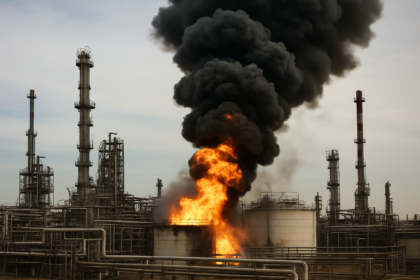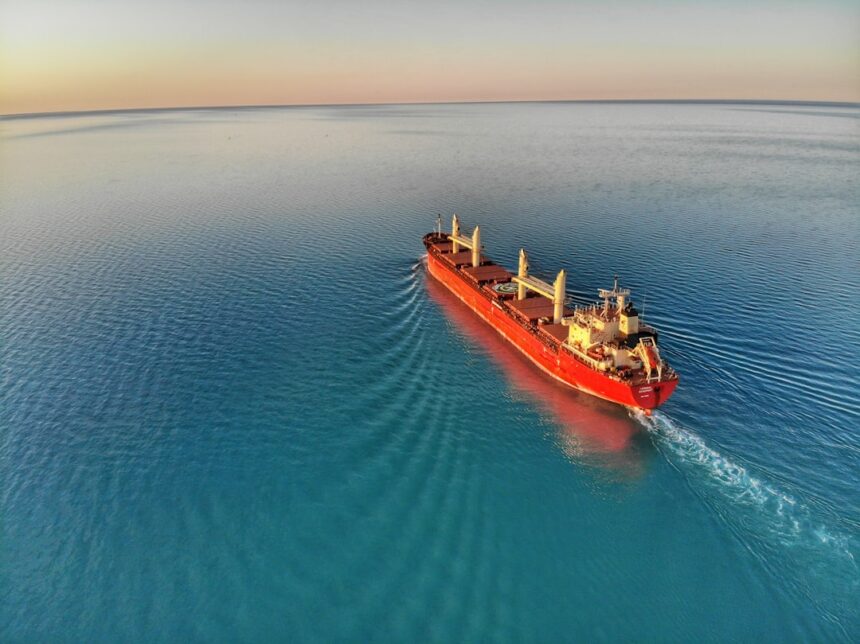
The maritime industry is confronting unprecedented security threats across multiple regions, notably the Strait of Hormuz, Red Sea, Black Sea, and off the coast of Somalia. This period marks the first instance in which so many vessels and seafarers face danger from conflicts that are not directly related to their operations. According to Damien Chevalier, Director of the Maritime Safety Division at the International Maritime Organization (IMO), the scale of the crisis is alarming.
The Strait of Hormuz Vulnerability
The Strait of Hormuz is particularly affected, with over 2,000 vessels and approximately 20,000 seafarers being impacted by ongoing hostilities. This region is critical for global oil transport, making its disruption a significant concern for international trade and energy supplies. A combination of geopolitical incidents has exacerbated an already volatile situation, necessitating comprehensive strategies to safeguard maritime operations.
Regional Dynamics and Piracy Resurgence
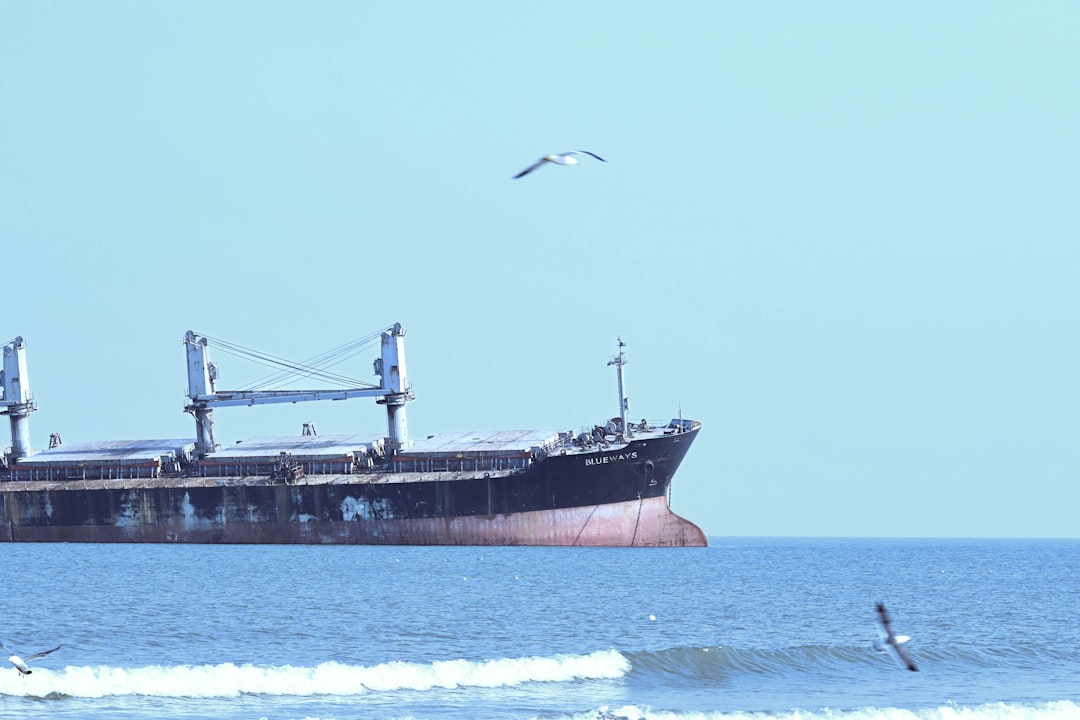
Simultaneously, severe piracy concerns have resurfaced off the coast of Somalia. With naval assets diverted to manage threats in the Red Sea and Hormuz, pirates have capitalized on the opportunity to target smaller, less secure vessels, particularly bulk carriers. A recent meeting on maritime law enforcement underscored the urgent need for effective anti-piracy legislation to support operations within Somalia, where existing legal frameworks currently lack provisions for humane prosecution of captured pirates.


Black Sea Threats and Grain Exports
In the Black Sea, the situation remains equally dire, though it operates independently of the crises in other regions. The conflict intertwines with heavy misinformation, complicating efforts to gauge the number of attacks on vessels and related crew casualties. During peak harvest season, Ukrainian grain ports are seeing only one or two vessels daily, a drastic decline from the typical flow of 20 to 30 ships, signaling a grave disruption in agricultural exports and further instability in global food markets.
The Operational Read
The multifaceted nature of these crises reflects a broader trend where shipping is increasingly utilized as a geopolitical tool. The implications for operators, charters, and crews are profound; as safety and security in these zones diminish, shipping routes previously considered secure may no longer be viable. The heightened risk environment emphasizes the importance of enhanced maritime security protocols and international cooperation to mitigate threats. As the interconnectedness of global shipping becomes more entwined with geopolitical conflicts, stakeholders must remain vigilant to navigate these challenges effectively.