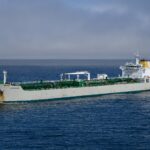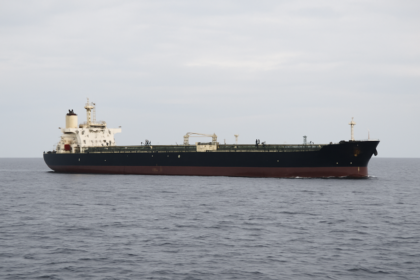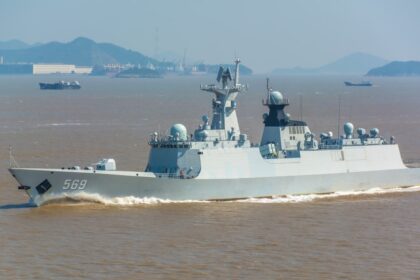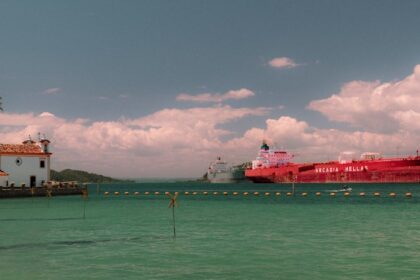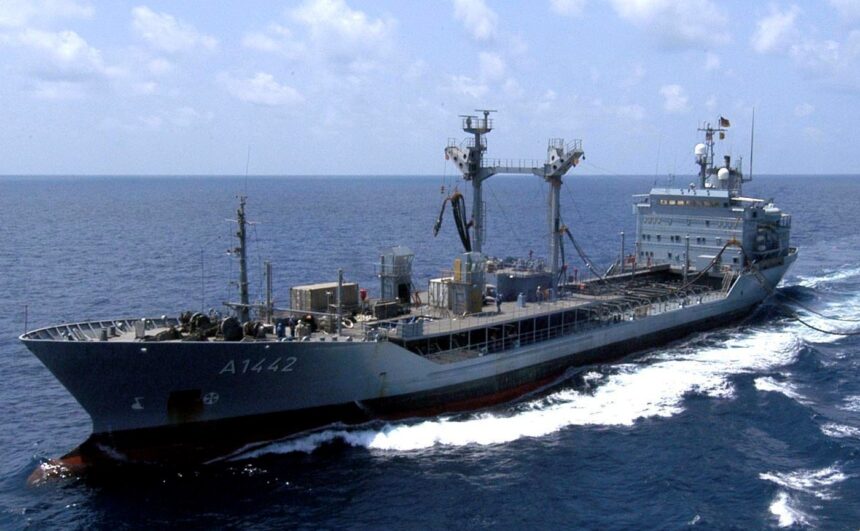
U.S. Central Command (CENTCOM) confirmed the destruction of five Iranian crude oil tankers on September 8, 2026, as a direct response to recent ballistic missile threats against U.S. Navy vessels operating in the Gulf of Oman. The targeted vessels included the Kaviz, Charminar, Horizon 1, Riesco, and Derya, the latter near Kharg Island, with crews ordered to abandon ship prior to the strikes.
The Incident
This escalation followed two missile attacks on a U.S. Navy warship within the preceding days, which successfully evaded the assaults without sustaining injuries to personnel. CENTCOM asserts that the Iranian tankers are crucial components of a substantial shadow network linked to the Islamic Revolutionary Guard Corps (IRGC), aimed at financing regional activities and proxy forces.
Regional Impact
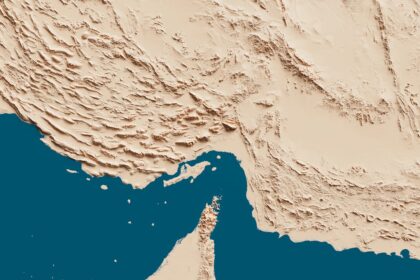
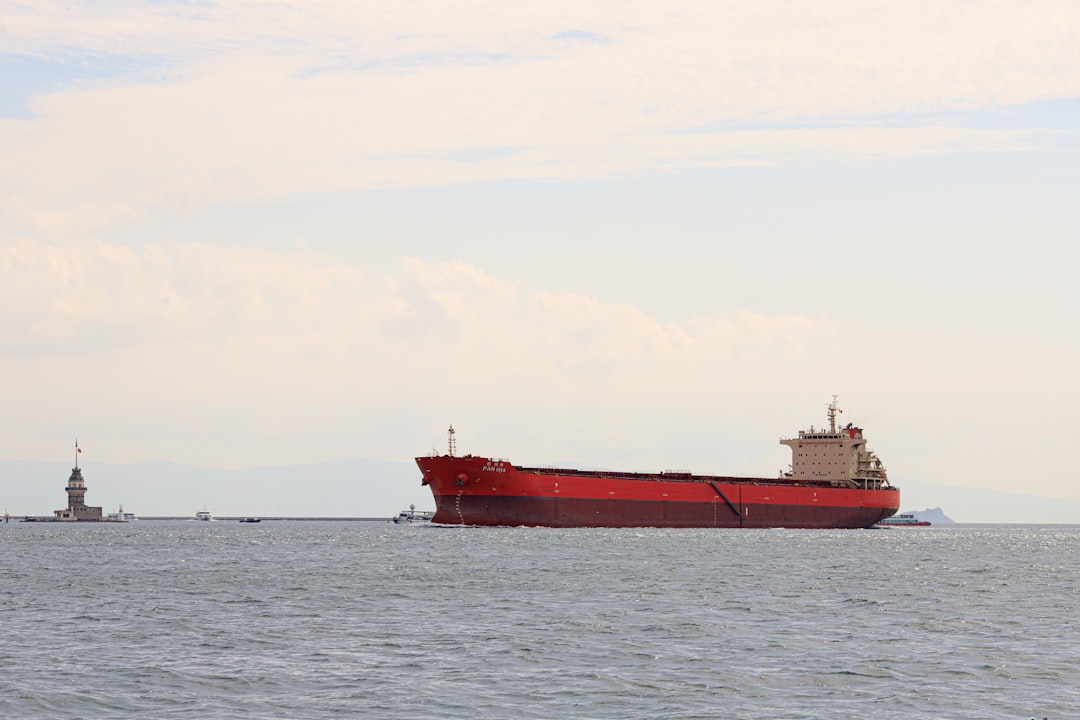
The ongoing confrontations mark a significant escalation in maritime tensions surrounding the Strait of Hormuz. Earlier strikes conducted by U.S. forces included the destruction of the Downy and Stark 1 tankers, alongside the sinking of the Kylo (also referred to as Noxen). The reaction by the IRGC has intensified, with threats made against vessels in Kuwaiti and Bahraini ports, prompting further military advisories from UK Maritime Trade Operations.


Market Response
Merchants navigating these waters now face additional layers of risk management, including increased war-risk premiums and potential reroutes. The threat to shipping operations raised concerns over the stability of oil transport channels in a region already critical to global energy supplies.
The Operational Read
The recent U.S. military actions significantly impact operational planning for shipping companies in the Gulf region. With heightened military activity and threats against commercial vessels, operators must evaluate their risk profiles, adjust route planning, and potentially invest in additional insurance or security measures. The destruction of Iranian tankers signifies a direct challenge to Iran’s maritime capabilities, but it also elevates risks for commercial shipping. Close monitoring of military advisories and political developments will be essential for stakeholders navigating these volatile waters.