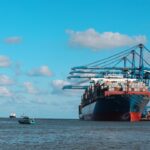
The U.S. Maritime Administration (MARAD) has designated 16 additional training institutions as Centers of Excellence, significantly contributing to the development of the nation’s maritime and shipbuilding workforce. This expansion increases the total number of designated centers to 48, which now operate across 87 training facilities in 28 states and territories.
According to the Department of Transportation, these centers train approximately 58,000 mariners, apprentices, and students annually. Among the newly designated institutions are institutions such as the University of Michigan’s Department of Naval Architecture and Marine Engineering, the Northwest Maritime Center in Washington, and the Webb Institute in New York. Collectively, the new centers are expected to train nearly 20,000 individuals preparing for various maritime careers.
The Strategic Importance of Workforce Development
Transportation Secretary Sean P. Duffy emphasized the intent behind this initiative, stating, “From constructing Navy warships to operating river towboats, we are partnering with elite institutions to equip our mariner workforce with the skills needed to keep our supply chains moving.” This initiative reflects a broader strategy under President Trump’s executive order from April 2025, which underscores the necessity for skilled maritime workers in enhancing domestic shipbuilding capabilities.


Since the U.S. currently accounts for less than 1% of global commercial ship construction, there is a pressing need to bolster domestic workforce numbers. The recent program expansions will assist U.S. shipyards and commercial vessel operators by providing greater access to trained mariners and skilled workers.
Evolution of the Centers of Excellence Program
Initially authorized under the National Defense Authorization Act in 2018, the Centers of Excellence for Domestic Maritime Workforce Training and Education program has seen two prior rounds of designations, first in 2021 and another in 2024. The program’s intention is to foster collaborations with community colleges, technical schools, and maritime academies. This can facilitate student recruitment, faculty integration, and enhancements to training facilities. Furthermore, designated institutions may receive surplus federal equipment, enhancing educational resources.
Maritime Administrator Stephen M. Carmel stated, “The strength of America’s economy is tied directly to the resilience of our domestic fleet and the technical skill of our mariners.” This initiative provides a strategic move towards not just filling workforce gaps but also enhancing overall maritime readiness and capability.
The Operational Read
The expansion of training centers reflects the operational realities and growing demands of the U.S. maritime sector. With a keen focus on workforce development, operators can anticipate a more skilled pool of mariners, which is essential for efficient operations across both commercial and military segments. As these training institutions prepare individuals for varied roles, from ship construction to regulatory compliance, the implications for supply chain resilience and maritime safety will be significant. Continuous attention must be given to the interests of shipbuilders and operators alike, ensuring that training programs align with evolving industry requirements and technological advancements.