U.S. Military Escalation Affects Shipping Through Strait of Hormuz

Recent U.S. military strikes and Iranian responses have disrupted commercial traffic through the Strait of Hormuz, pushing oil prices higher and impacting freight markets significantly.

4 Min Read
Photo: Etienne Girardet

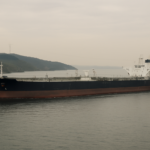
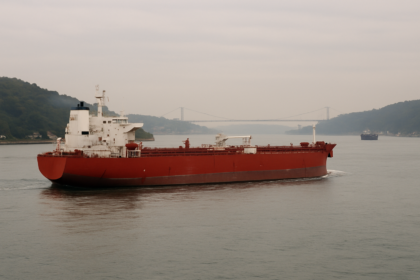
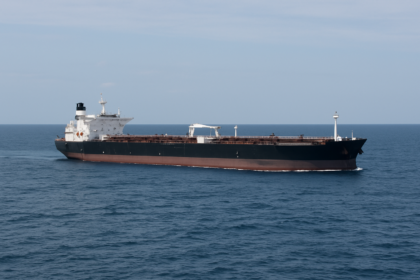
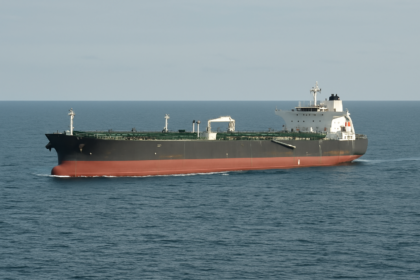
The recent escalation of military action in the Middle East has notably disrupted commercial shipping dynamics, particularly in the strategic Strait of Hormuz. Following fresh U.S. strikes and subsequent retaliatory actions from Iran, commercial traffic in the region has declined, struggling to maintain pre-conflict levels, as indicated by several industry reports.

Oil Market Response

The geopolitical tensions have contributed to a significant uptick in oil prices. As of the latest trading session, Brent crude is trading at approximately USD 95.7 per barrel, while WTI crude prices have reached around USD 91.6. This represents an increase of roughly 7% and 10% respectively over the past week, reversing a recent decline. The market is now showing signs of strain as the cushion provided by existing inventory levels is no longer perceived as sufficient.

U.S. Military Escalation Affects Shipping Through Strait of Hormuz
Photo: Howei Wang

Freight Market Dynamics

The Baltic Dry Index has surged to 3,488, the highest point recorded since October 2021, with Capesize vessels averaging earnings of 6,042 and Panamax vessels reaching 2,457. This general rise in shipping metrics indicates a steady demand for dry bulk commodities, allowing older vessels to remain operational and keeping owners optimistic despite broader economic uncertainties.

- Advertisement -
Ad image

Despite these positive indicators, no fresh sales have been reported from major recycling markets. While physical activity along the beaches is up, some recycling candidates remain hesitant to feed the next cycle of demand. India has shown a resurgence in purchasing activity against a backdrop of a stable local currency, strengthening the purchasing power for recyclables. Conversely, demand in Bangladesh has cooled off as initial requirements have been met, and Pakistan is now exhibiting a more measured approach to purchasing.

Regulatory Changes Ahead

In response to identified safety issues in the recycling sector, particularly in Bangladesh, an investigation by the Ministry of Industries revealed significant lapses in safety supervision and gas-testing procedures related to ballast-tank work. As a result, stricter compliance measures are expected to be implemented alongside enhanced recycling certification requirements for vessels flying non-HKC flags.

As September unfolds, the shipping industry faces a mixed economic landscape. Pakistan remains a leading buyer, though urgency has lessened, while Bangladesh’s demand has stabilized. In contrast, India’s market conditions appear favorable for continued activity. The Gulf region, while operational, becomes increasingly risky under the current geopolitical climate, and the scarcity of fresh supply underscores the need for careful navigation in these turbulent waters.

Behind the Headline

The recent military escalations in the Gulf have imposed new operational realities for shipping operators. The decline in commercial traffic through the Strait of Hormuz places additional pressures on global supply chains and raises insurance and security concerns. Freight rates are likely to remain volatile in the short term, driven by geopolitical tensions and changes in oil pricing. Operators must navigate not only the complexities of market demand but also adapt to evolving regulatory standards that may arise from safety investigations. The trajectory of freight markets in the coming weeks will depend on the resolution of current tensions and the ability of operators to secure safe passage through high-risk areas.

Share This Article
The Maritime Briefs Editorial Desk is a team of experienced seafarers, Chief Engineers, Masters, maritime professionals, and editors covering global shipping and maritime industry developments.