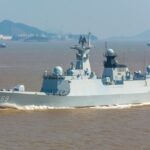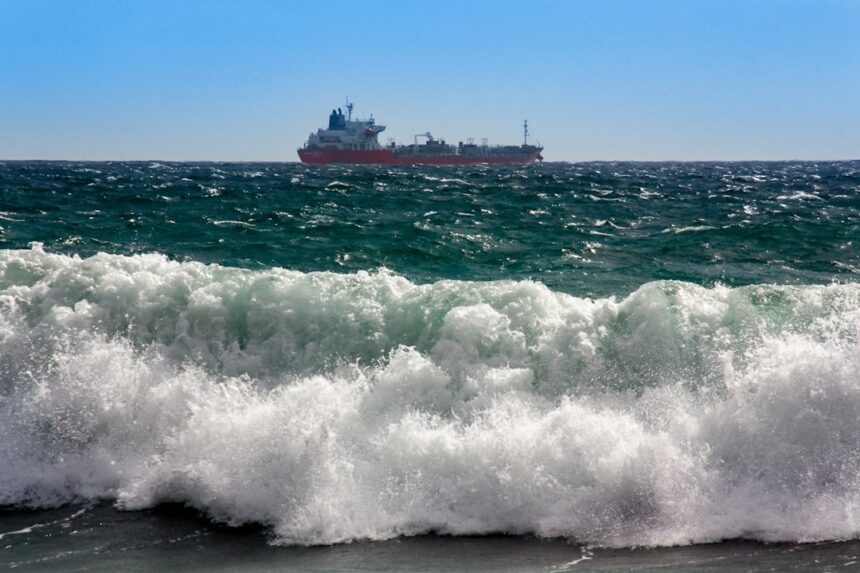
This week, the United States launched airstrikes against Iranian state tankers in the Strait of Hormuz, marking a significant escalation in ongoing maritime tensions. The action was in direct retaliation for Iranian attacks on commercial shipping routes, which have heightened fears among shipping operators navigating this vital chokepoint.
The Current Situation
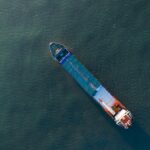
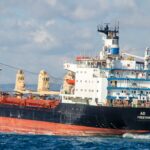
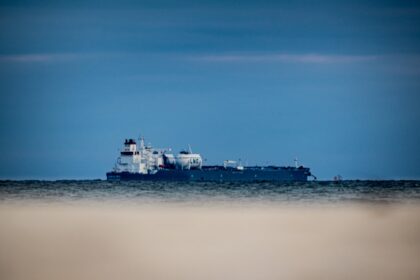
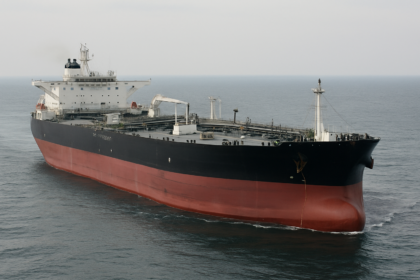
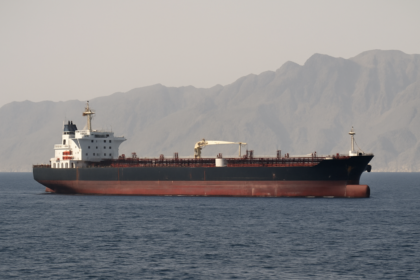
The Iranian state tankers targeted by US forces represent an immediate threat to commercial shipping in the region, particularly as one laden Very Large Crude Carrier (VLCC) has been left abandoned and is currently listing off the coast of Oman. This situation underscores the precarious balance of naval power in a region critical for global energy supplies, where approximately 20% of the world’s oil flows.
Impact on Shipping Operations
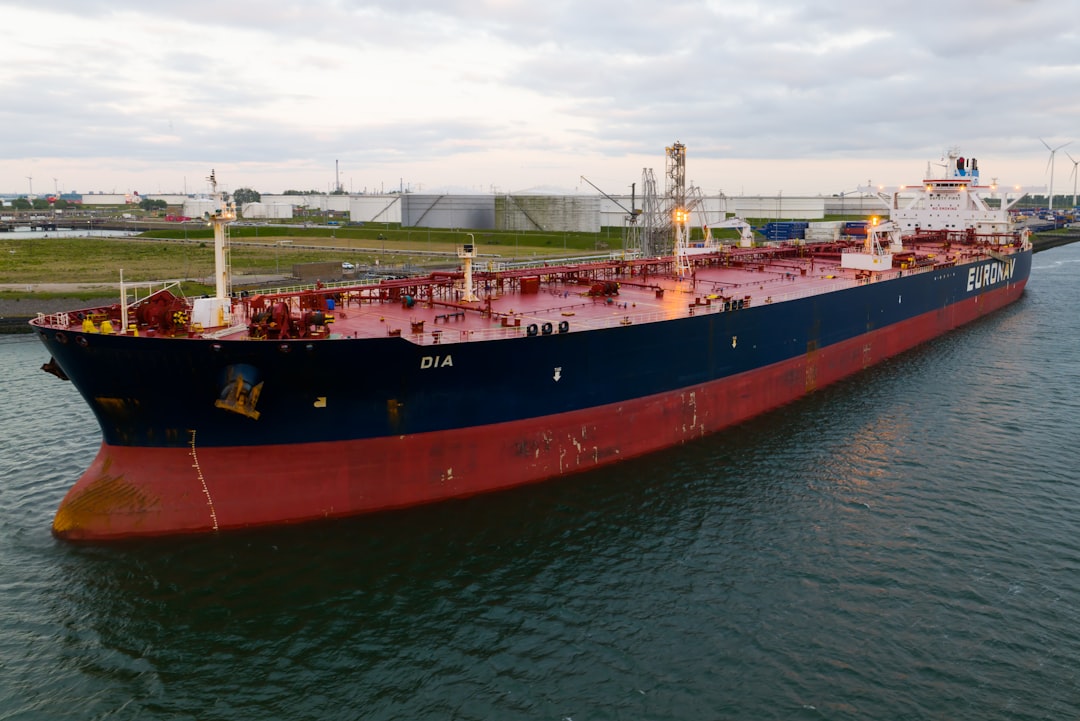
The intensifying conflict has raised the stakes for shipping operators, many of whom are now facing increased war-risk premiums as they assess the risks associated with transiting the Strait of Hormuz. Shipping companies must now evaluate their operations in light of the heightened threat and potential need for rerouting or increased security measures. The ongoing hostilities threaten to disrupt supply chains and may force many operators to reconsider their charter party agreements.

The Operational Read
This recent escalation highlights the complex operational realities for maritime stakeholders in the region. As tensions rise, operators must remain vigilant, evaluating risk factors and potential operational disruptions. The ongoing risk of vessel attacks necessitates contingency planning and could compel charterers to seek alternative routes, potentially increasing travel times and costs. Close monitoring of military and geopolitical developments is crucial, as any further provocations could lead to widespread shipping disruptions, prompting operators to reassess their risk profiles and operational strategies moving forward.