Update 04 Sep 2026, 08:35 UTC:
The conflict surrounding the Strait of Hormuz has escalated significantly with the United States conducting strikes on Iranian state tankers in response to recent Iranian attacks on commercial vessels. This military action marks a pivotal moment in the ongoing tensions, as the U.S. aims to safeguard maritime navigation in one of the world’s most critical shipping lanes.
The U.S. Response
The U.S. strikes specifically target Iranian vessels believed to be involved in assaults against commercial shipping. This escalation is designed to deter further Iranian aggression and reinforce U.S. commitment to the security of maritime traffic in these vital waters. The unilateral military response reflects the gravity of the situation, as piracy and state-sponsored maritime attacks become increasingly intertwined.

Operational Implications
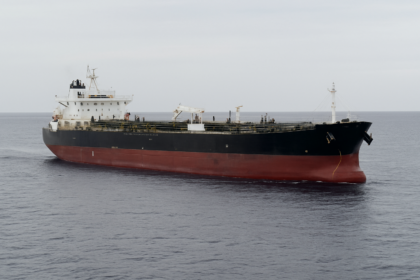
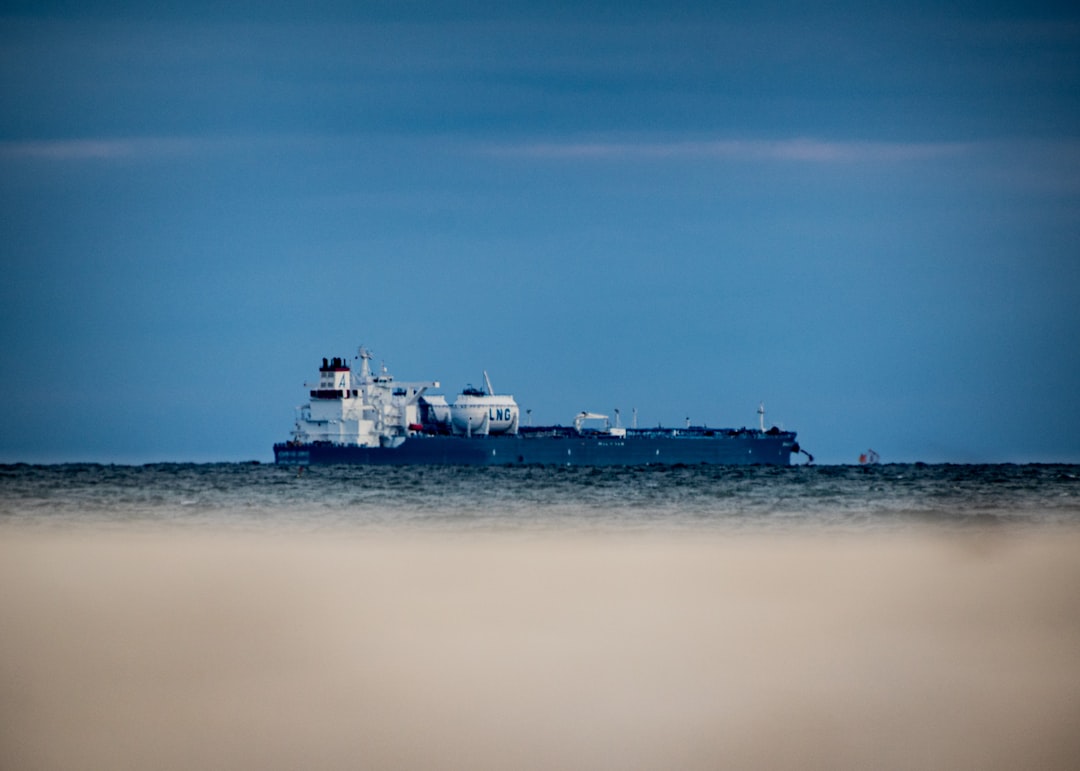
Evidently, the recent actions have immediate implications for shipping in the region. Operators are now faced with a heightened threat environment, necessitating more stringent risk assessments and possibly altered routes. The presence of a laden Very Large Crude Carrier (VLCC) abandoned and listing off the coast of Oman underscores operational risks that could affect laytime, bunkering costs, and overall fleet safety.
This precarious state of affairs compels shipping companies to evaluate the cost of war-risk insurance, which may see significant premiums attached due to the volatile climate. Additionally, concurrent naval operations and the potential for further conflicts necessitate constant vigilance and operational readiness among vessel crews in the area.
The Operational Read
The escalation of military actions in the Strait of Hormuz poses severe ramifications for commercial shipping operations. For operators, the current situation requires an agile approach, emphasizing real-time intelligence and developing strategies for rerouting if necessary. The risk of demurrage due to heightened tensions must be factored into charter negotiations, with operators now possibly insisting on clauses addressing changing threat levels. In this context, ensuring compliance with International Maritime Organization (IMO) guidelines will be crucial for navigating the geopolitical landscape, particularly with the increased scrutiny on ships transiting potential conflict zones. Shipping leaders must be vigilant as the situation evolves, assessing the operational landscape regularly to protect maritime interests in this region.