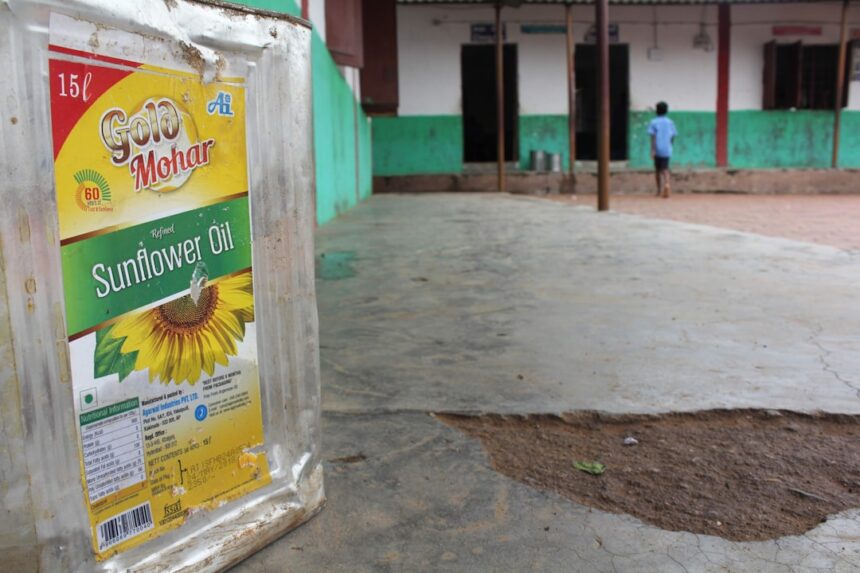
The ongoing instability in the Black Sea region is significantly affecting global sunflower oil exports, with far-reaching implications for the vegoil market. Russia and Ukraine’s combined output represents over 57% of world sunflower oil trade, making the region a pivotal corridor for this essential commodity.
Disruption Overview
Recent hostile actions targeting key port infrastructure have hindered cargo flows, exacerbating risks for exporters and importers alike. An attack on Russia’s Taman export hub, specifically damaging the EFKO vegoil terminal, has led to the suspension of port operations. In Ukraine, repeated assaults on port facilities, including the Kernel sunflower oil terminal, have severely limited export capacity. As a result, concerns are growing regarding the sustainability of sunflower oil supplies from this crucial region.
Impact on Importers
With India being one of the largest importers of sunflower oil, the disruptions are anticipated to have particularly acute consequences for the country. With its reliance on Black Sea sunflower oil imports, India must now consider seeking alternative suppliers. Current market dynamics are already strained; Indonesia’s B50 biodiesel mandate is diverting palm oil to domestic uses, further limiting global availability. Although India has begun importing more soybean oil from Latin America, any substantial decline in sunflower oil exports would intensify reliance on long-haul shipments, escalating freight costs and potentially leading to demand destruction in the price-sensitive Indian market.


Market Repercussions
The ongoing disruption in the Black Sea will likely contribute to a tightening of global vegoil balances, affecting not only sunflower oil but also spurring demand for alternative oils such as palm, soybean, and rapeseed oils. Although Argentina’s increased sunflower oil exports present a glimmer of hope for bolstering global supplies, they are unlikely to fully compensate for the losses from the Black Sea.
The Operational Read
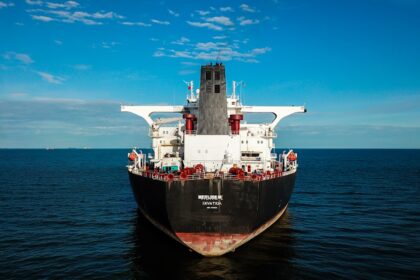
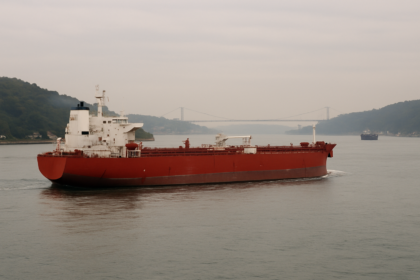
For shipping operators, the disruption of sunflower oil exports from the Black Sea presents a complex challenge. With ongoing attacks leading to substantial reductions in available cargo, operators may struggle to maintain sustainable logistics schedules. The decline in seaborne trade is expected to shrink the demand for vegoil carriers, potentially raising freight rates on longer alternative routes while diminishing overall volume. Furthermore, as importers pivot towards more costly long-haul shipments, the increasing freight expenses could lead to a re-evaluation of trade routes and logistics strategies. Close monitoring of the evolving situation in both Ukraine and Russia, as well as the responses of major importing countries, will be essential for market participants moving forward.