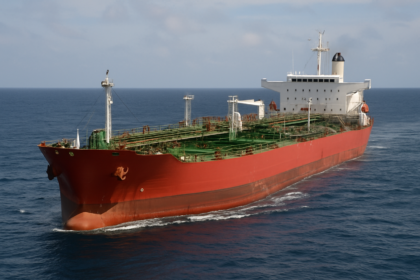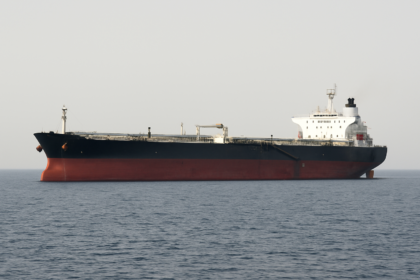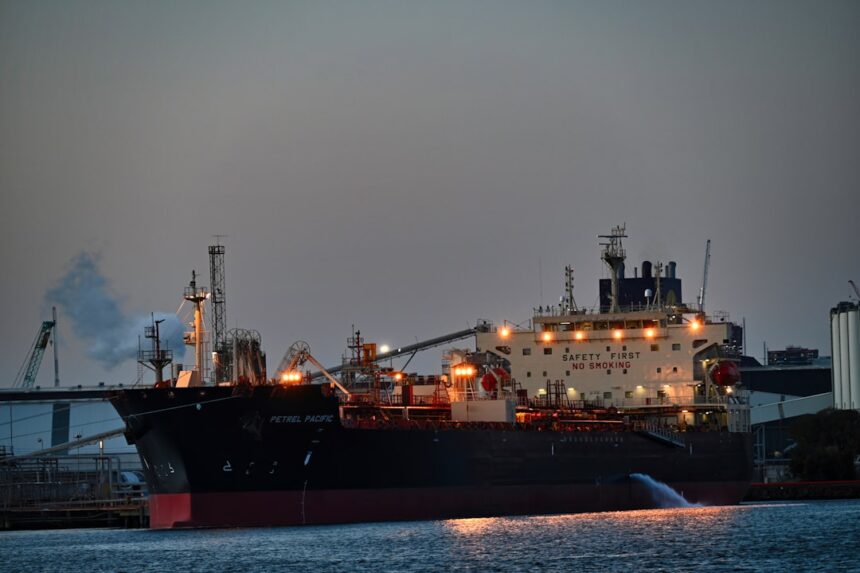
Iran’s recent decision to blacklist 12 Very Large Crude Carriers (VLCCs) poses significant risks to the shuttle tanker trade transporting Middle East crude through the vital Strait of Hormuz. This operation has become increasingly essential for transferring oil to the Gulf of Oman, and the blacklisting could disrupt these logistics.
The Blacklisting Implications
The specific VLCCs targeted by Iran, as highlighted by maritime broker Braemar, have been pivotal in maintaining the flow of crude oil shipments from the Middle East. The blacklisting raises concerns not only over immediate operational challenges for these vessels but also broader implications for global oil supply chains reliant on the smooth operation through this crucial chokepoint.
Analysts suggest this move might compel operators to seek alternative transportation methods or jurisdictions to avoid sanctions, potentially increasing operational costs. Additionally, with the heightened geopolitical tensions, it could lead to a rise in war-risk premiums, further squeezing an already volatile market.

Market Reactions
In response to the blacklisting, the tanker market is on alert. Oil traders and shipping companies are evaluating their exposure to Iran’s sanctions, as the VLCCs named by Tehran have historically contributed significantly to the region’s crude transport needs. Bunker fuel procurement could also become more complex, with operators potentially facing challenges sourcing VLSFO compliant with both international regulations and local sanctions.
As stakeholders analyze the situation, discussions around rerouting shipments are expected to gain traction. Market participants will need to navigate these new realities carefully, as the stakes rise for operators traversing this high-risk maritime zone.
The Operational Read
The operational landscape for tanker operators in the Strait of Hormuz is evolving due to Iran’s blacklisting strategy. This development underscores the fragility of shipping routes in geopolitically sensitive areas and highlights the need for robust risk management practices. Operators must remain vigilant, reassessing their routes, compliance frameworks, and insurance costs as they navigate this challenging environment. Observing how other nations react and whether additional sanctions or responses emerge from these tensions will be crucial for understanding future market dynamics.