Update 01 Sep 2026, 06:34 UTC:
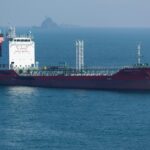
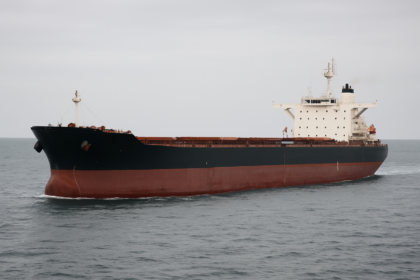
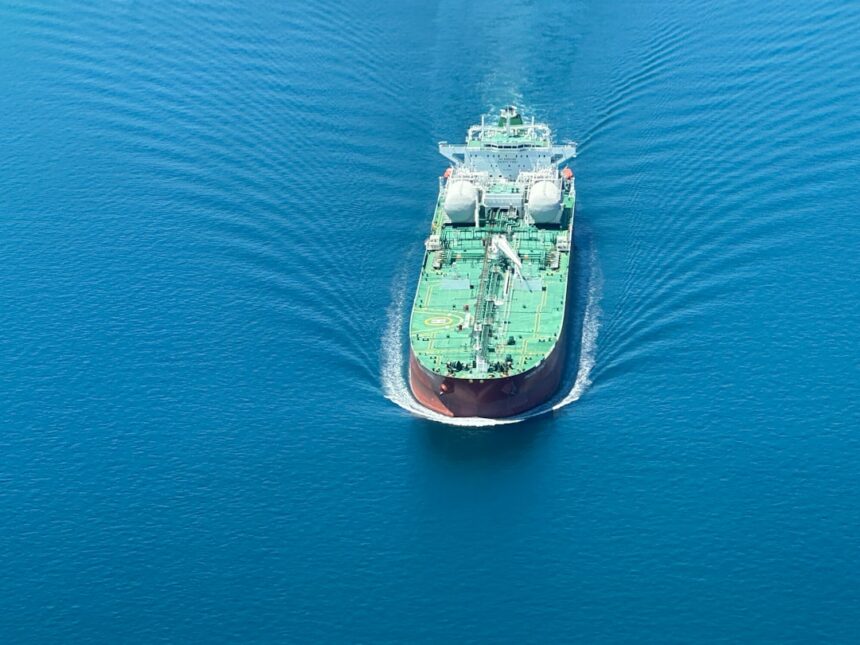
A commercial tanker was struck by three unidentified projectiles while traversing the Strait of Hormuz on the evening of Monday. The incident, occurring approximately 17 nautical miles east of Khasab, Oman, has been confirmed by UK Maritime Trade Operations.
The Incident
At around 20:00 UTC, the tanker bore the brunt of the attack as it navigated one of the world’s most strategically significant waterways. The Strait of Hormuz, vital for global oil transit, has recently seen a resurgence in hostilities, particularly amid escalating tensions between the United States and Iran. This latest attack raises concerns over the safety of commercial shipping in the region.

Market Impact
In the wake of this incident, stakeholders are likely to reassess their operational security measures and the implications for war-risk insurance. Historical data indicates that attacks in this region often result in significant increases in both war-risk premiums and operational delays, affecting the entire supply chain reliant on the timely delivery of goods. The heightened security circumstances may prompt some operators to consider alternative routes or enhanced security protocols during transit.
Operator Response
Shipping companies operating in the region will need to evaluate their contingency plans, focusing on enhancing protection during high-risk passages. This incident could lead to a broader strategic reassessment of shipping routes involving the Strait of Hormuz. Moreover, further attacks may catalyze an increase in naval presence in the area as nations aim to safeguard their maritime interests.
The Operational Read
The continued targeting of commercial shipping by unidentified forces underscores an ongoing threat to maritime security in key transit corridors. Operators must remain vigilant and adapt to the evolving risks inherent in transiting the Strait of Hormuz. Monitoring geopolitical conditions and coordinating with local authorities will be crucial in ensuring vessel safety and minimizing potential disruptions. It will be imperative for companies to continuously assess their risk management strategies and operational readiness in a climate where attacks may escalate.