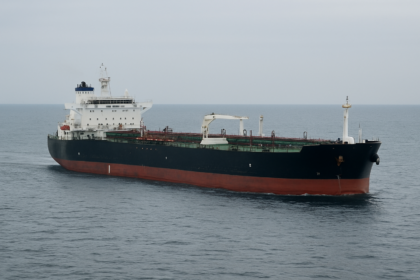
The US Coast Guard has officially removed Nigeria from its Port Security Advisory, concluding 12 years of additional security measures for vessels trading from Nigerian ports to the United States. Effective today, August 19, this significant policy shift indicates a marked improvement in security conditions within Nigeria’s maritime sector.
Background of the Advisory
For over a decade, the advisory imposed a range of heightened security requirements on vessels operating between Nigeria and the US, primarily aimed at mitigating risks associated with piracy, theft, and other maritime crimes. These requirements often included stringent vetting processes and enhanced cargo inspection protocols, which introduced additional costs and complexities for shipping operators.

Geopolitical Implications
The departure from this advisory is poised to enhance Nigeria’s attractiveness as a trade partner. Shipping companies can now anticipate more efficient operations, potentially stimulating increased commercial activity in the region. This change reflects broader maritime security improvements that support trade growth in West Africa.


The Operational Read
The operational landscape for shipping lines engaging with Nigeria is undergoing a transformative shift. With the removal of the Port Security Advisory, operators can evaluate their security protocols and adapt to more favorable trade conditions. This development may lead to a reduction in laytime and demurrage costs, benefiting both charterers and shipowners. It is essential for stakeholders to monitor regional security dynamics closely, ensuring that operational protocols adapt effectively to maintain safety and efficiency. Moreover, as shipping confidence in Nigerian waters grows, operators may explore expanding their services in West Africa, potentially leading to enhanced regional trade networks.