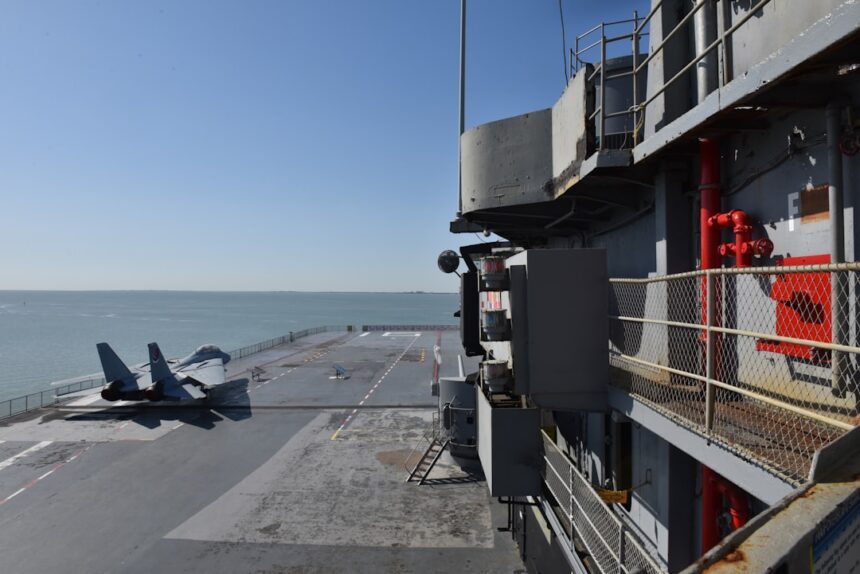
The USS Abraham Lincoln is currently facing significant challenges related to the mental health of its crew amid an extended deployment in the Arabian Sea, as highlighted by Admiral Brad Cooper, commander of U.S. Central Command (CENTCOM). The aircraft carrier has been at sea for over 200 days without a port call in the ongoing conflict in Iran, leading to growing concerns about onboard living conditions.
Conditions Aboard
Reports have surfaced detailing severe issues aboard the Lincoln, including food shortages, water contamination, and deteriorating sanitary conditions such as moldy showers. Such stressful circumstances have prompted alarming reactions from some crew members, with families expressing concern for the wellbeing of their loved ones. The absence of an opportunity for shore leave has compounded the challenges faced by the sailors during this prolonged wartime deployment.
Focus on Mental Health
During his visit, Admiral Cooper noted the importance of addressing mental health as part of overall crew welfare. Despite the adverse conditions, he stated that the Lincoln has among the lowest reported mental health cases across the Navy’s fleet of 11 active aircraft carriers. Cooper acknowledged, however, that longer deployments may not suit all personnel, calling for a greater focus on mental health management and crew resilience.

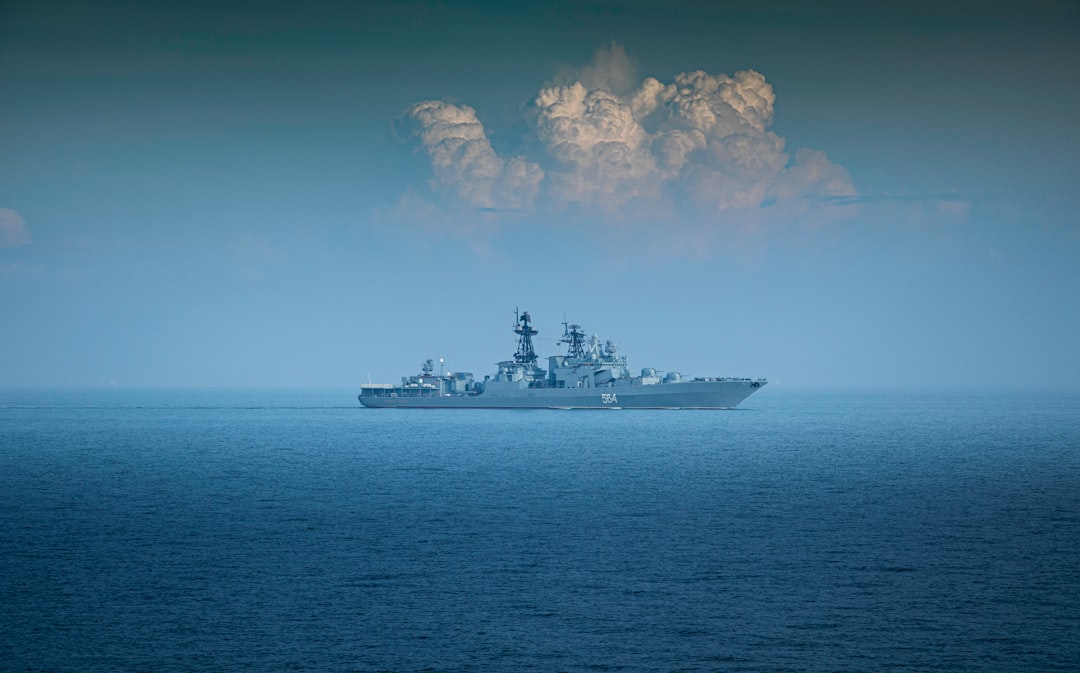
In contrast, President Trump downplayed the concerns raised by families of the crew, asserting that deployments have not lasted “nearly long enough.” This statement follows the Navy’s historical practice of planning carrier deployments for approximately seven months, highlighting a shift in operational expectations amidst ongoing military engagements.
The Operational Read
The ongoing situation aboard the USS Abraham Lincoln illustrates the complex realities of extended naval operations in conflict zones. With the carrier’s extended time at sea stretching beyond typical deployment schedules, operational readiness can be compromised due to the deteriorating conditions affecting crew morale and mental health. This scenario emphasizes the need for comprehensive strategies addressing crew wellness, including timely port calls and better support systems to mitigate the impact of prolonged deployments. Key operators should monitor the situation closely, as prolonged mental fatigue could lead to broader operational implications and impact the Navy’s readiness for ongoing and future commitments.