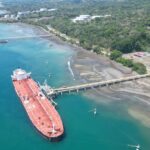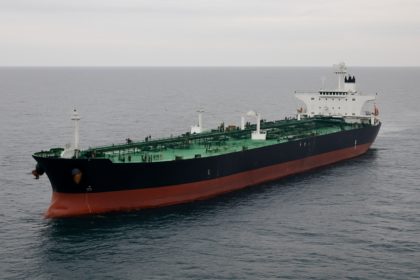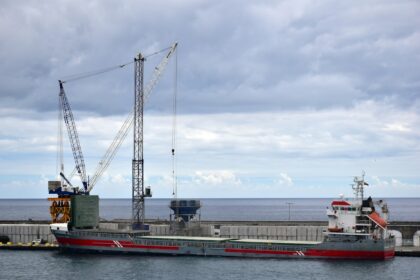
Iran has firmly positioned itself, articulating a comprehensive list of demands from the United States as necessary prerequisites for reopening the vital Strait of Hormuz. This development arises amid cautious optimism from Washington regarding bilateral talks with Oman aimed at restoring commercial tanker traffic through this key maritime chokepoint.
Mohammad Bagher Zolghadr, the Secretary of Iran’s Supreme National Security Council, emphasized that the strait will remain closed until the U.S. takes significant actions, which include lifting its naval blockade, withdrawing military forces, paying compensation for war damages, and ceasing threats against Iranian officials. These demands significantly complicate the possibility of an expedited reopening.
The Diplomatic Landscape
Earlier discussions indicated that Iranian Foreign Minister Abbas Araghchi and his Omani counterparts were nearing an agreement to introduce a temporary routing scheme. After Friday’s negotiations, U.S. officials expressed similar optimism regarding a deal that would facilitate the resumption of crude shipments. However, the stark divergence between the technical navigation talks and Iran’s broader political conditions could hinder progress.

Statements from the Islamic Revolutionary Guard Corps (IRGC) reiterated that any reopening of the Strait is contingent solely upon the U.S. meeting its conditions, underscoring the complexity of the situation. This rigid stance has shifted focus away from ongoing technical discussions back to broader geopolitical concerns, potentially limiting the operational feasibility of timely commercial shipping.
Regional Security Developments
The escalation of tensions also manifests through continued military incidents in the region. On Saturday, reports indicated that an Iranian missile struck a vessel linked to the Abu Dhabi National Oil Company (ADNOC), although no casualties were reported. This incident contributes to a broader pattern of harassment, with ADNOC recording multiple assaults on its fleet since hostilities increased.
In the wake of these incidents, regional powers are recalibrating their security strategies. The recent defense agreement signed between Saudi Arabia, Pakistan, and Turkey reflects a shifting approach towards collaborative security mechanisms designed to address growing threats in the region.
The Operational Read
The demands issued by Iran present significant operational challenges for maritime operators reliant on the Strait of Hormuz. With the strait facilitating approximately 20% of global energy shipments, prolonged closure exacerbates existing supply chain vulnerabilities and may sustain high fuel prices worldwide. The current situation necessitates that shipping lines reassess risk management strategies, particularly those concerning war-risk premiums and rerouting options. Operators should closely monitor developments in diplomatic negotiations, as the outcome will directly impact shipping efficiency in a region so critical to global energy markets.