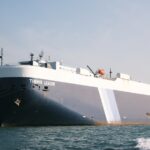
Ningbo Ocean Shipping has officially launched its first roro (roll-on/roll-off) service to Europe, utilizing the state-of-the-art Clean Star, a 7,000 CEU LNG dual-fuel vessel. The ceremony marking the maiden voyage occurred this week at the Meixi Ro-Ro Terminal within Ningbo-Zhoushan Port, a key hub in maritime logistics.
Vessel Specifications and Capabilities
The Clean Star is equipped to handle over 5,400 new energy vehicles, a growing segment in the automotive market driven by increased environmental awareness and regulatory pressure. The investment in a dual-fuel LNG system positions Ningbo Ocean Shipping favorably as the industry transitions towards more sustainable practices. The dual-fuel capability allows the vessel to operate with lower emissions, aligning with global efforts to reduce the carbon footprint in maritime transport.
Market Context and Implications
The expansion into the car carrier market arrives at a crucial time when the demand for new energy vehicles is surging in Europe and other regions. With major automotive manufacturers shifting their focus towards electric and hybrid models, a reliable shipping solution becomes essential. By launching this service, Ningbo Ocean Shipping capitalizes on this demand while also contributing to the industry’s sustainability goals.



Strategic Importance of the Service
This new roro service not only enhances Ningbo Ocean Shipping’s operational capabilities but also strengthens its competitive edge in the European market. As the global shipping landscape evolves, companies that adapt quickly to market demands will likely forge ahead. The company’s strategic investment in LNG technology represents a proactive approach to meet both regulatory requirements and client expectations regarding environmental stewardship.
Behind the Headline
Ningbo Ocean Shipping’s entry into the car carrier market reflects a broader industry trend where sustainability and adaptation to market demands are paramount. The operational shift to include LNG dual-fuel vessels demonstrates a commitment to reducing emissions while enhancing capacity for new energy vehicle logistics. The impact of this service will be closely monitored as operators assess the viability of LNG in their fleets and the resulting implications for shipping costs and laytime in congested ports. As international regulations regarding emissions tighten, the emphasis on dual-fuel capabilities may become a standard expectation in the shipping sector.