Update 05 Aug 2026, 18:32 UTC:
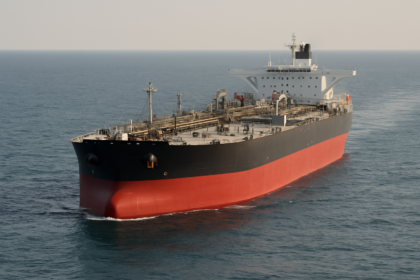
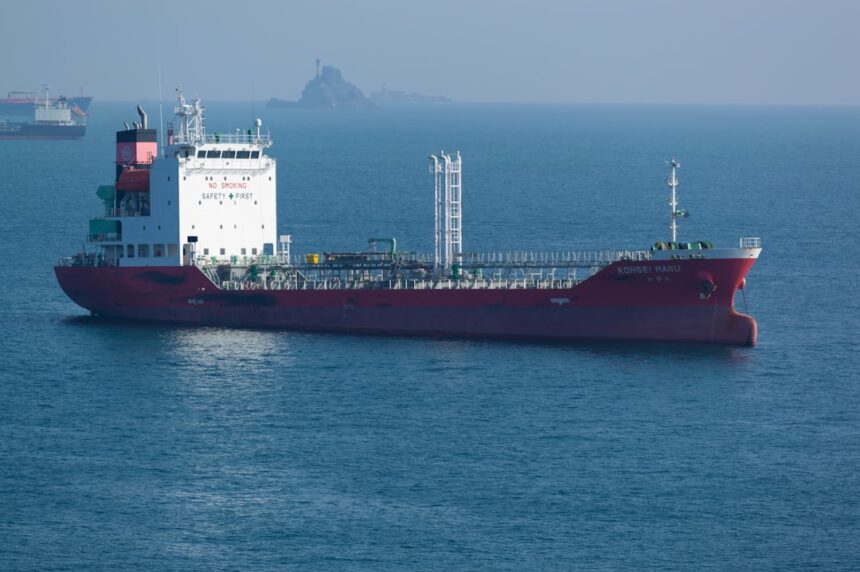
On Wednesday, the Houthi movement announced an attack on the Saudi oil tanker Wafa in the northern Red Sea, reportedly utilizing ballistic missiles. According to Houthi military spokesman Yahya Saree, this marks the eighth such incident since the group’s maritime campaign against Saudi Arabia commenced in late July.
The Incident
The statement from the Houthis details their ongoing effort to enforce a maritime blockade against Saudi Arabia, claiming that their operations will continue and escalate. They asserted that Wafa is the latest of eight Saudi oil tankers targeted, and they allege that 29 additional Saudi vessels have been forced to turn back from the Red Sea and Arabian Sea. However, these figures have not been independently verified.


In conjunction with this announcement, the UK Maritime Trade Operations (UKMTO) issued an advisory regarding a separate incident that occurred approximately 95 nautical miles southeast of Aden, where a tanker’s master reported a loud explosion nearby. Fortunately, all crew members aboard the tanker were confirmed safe, with authorities currently investigating the incident for any potential impacts.
Broader Context
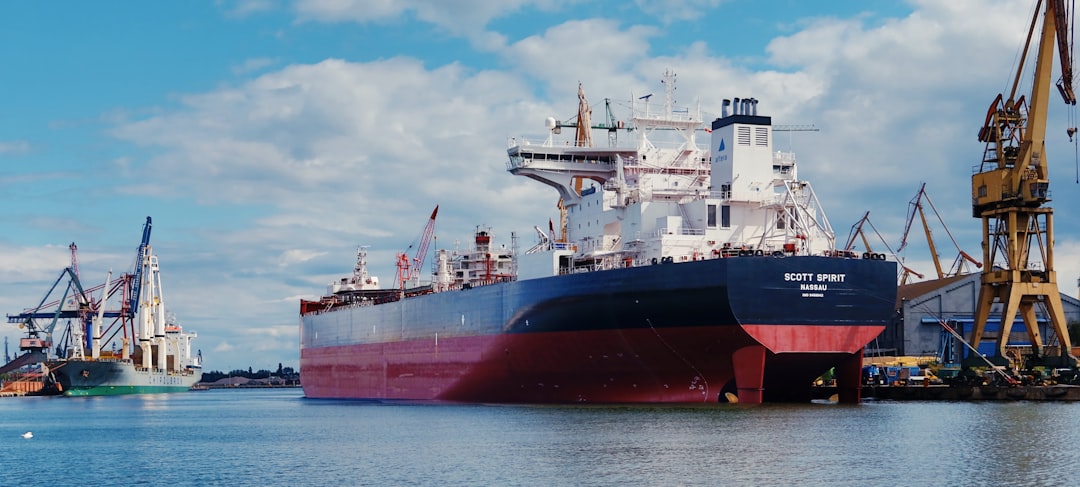
The threat landscape in the region has been exacerbated by other recent maritime incidents. UKMTO also confirmed the details of an attack on the Indian mechanized sailing vessel Faize Noore Oliya on Monday, where the ship was struck by an uncrewed surface vessel laden with explosives near Al Mukha. The vessel ultimately sank, but all 14 crew members were rescued, underscoring the escalating risks associated with maritime operations in volatile regions.
India’s Minister of Ports, Shipping and Waterways, Sarbananda Sonowal, condemned the attack, emphasizing the need for the restoration of free navigation through vital international waterways. The Indian Ministry of External Affairs echoed this sentiment, calling for an immediate cessation of hostilities directed at commercial shipping.
The Operational Read
The ongoing Houthi campaign against Saudi maritime interests reflects a significant escalation in hostilities in the Red Sea, fundamentally impacting shipping operations in this vital corridor. Operators must remain vigilant as attacks can lead to increased premiums for war-risk insurance, heightened security measures, and potential rerouting of vessels to safer passages. The sustained targeting of tankers, coupled with uncrewed vehicle operations, highlights the critical need for robust maritime security protocols. Stakeholders should monitor developments closely, particularly regarding the potential for further escalations impacting not just Saudi vessels but the broader shipping industry in the region.