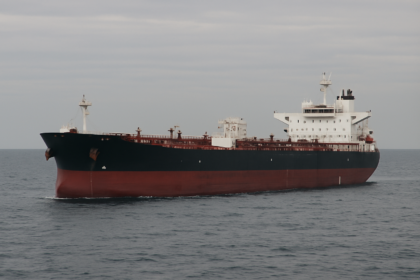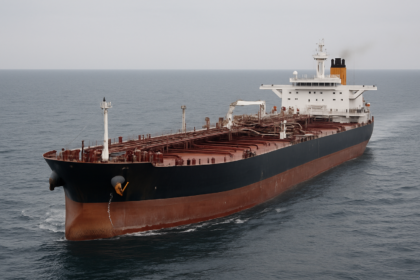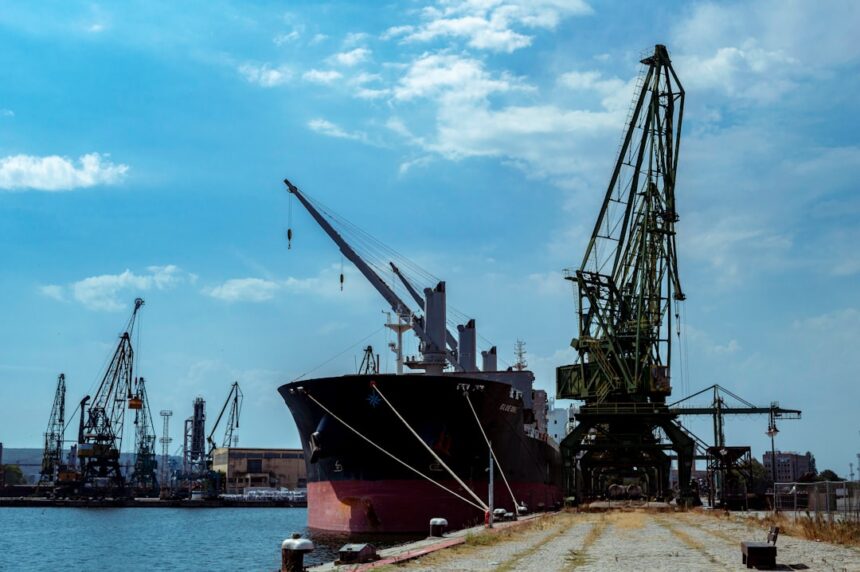
On Tuesday, Russian military forces reported strikes against four vessels and port infrastructure in the Black Sea, heightening the already critical risks to commercial shipping in the area. The Russian defense ministry claimed that three ships were targeted while docked at the port of Mykolaiv, with another vessel struck in the sea off Odesa.
The Incident
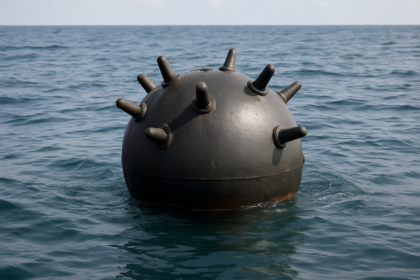
The attacks have positioned the Black Sea as the world’s most dangerous arena for maritime operations. These events come amid ongoing tensions in the region, further complicating the movement of essential commodities such as grain, coal, and iron ore. The international community has raised concerns about the safety of commercial shipping routes, which are vital for both regional and global supply chains.
Market Impact
With the Black Sea being a crucial passage for agricultural and energy exports, operators must contend with the escalating threats to their vessels. The potential for increased war-risk premiums is likely to weigh heavily on shipping cost structures, as underwriters reassess risk levels in light of the recent violence. Operators may need to explore alternative routes, which could extend transit times and impact delivery schedules.


Operator Response
Shipping companies are actively reviewing their operational protocols in response to the rising tensions. The incidents have prompted some operators to consider rerouting vessels around the Black Sea, despite the additional costs and delays that such decisions may incur. Additionally, companies will need to bolster their security measures and enhance risk assessments for vessels operating in or near the conflicted zone.
The Operational Read
As the situation in the Black Sea deteriorates, shipping lines face significant operational challenges that could impact their logistics and supply chain reliability. Companies must navigate heightened risks while balancing the need for timely deliveries of essential goods. The volatility in shipping routes may encourage discussions around policies that prioritize safe passage agreements. Operators should remain vigilant, monitoring developments and preparing contingency plans as a proactive measure against potential disruptions in trade.