Update 01 Aug 2026, 14:33 UTC:
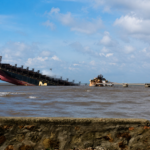
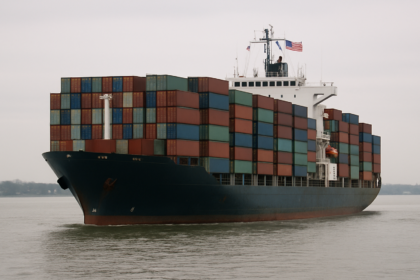
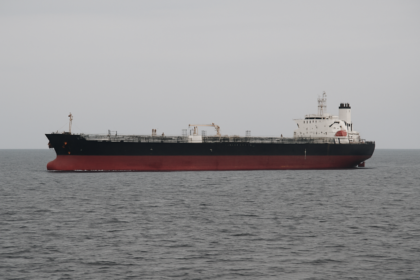
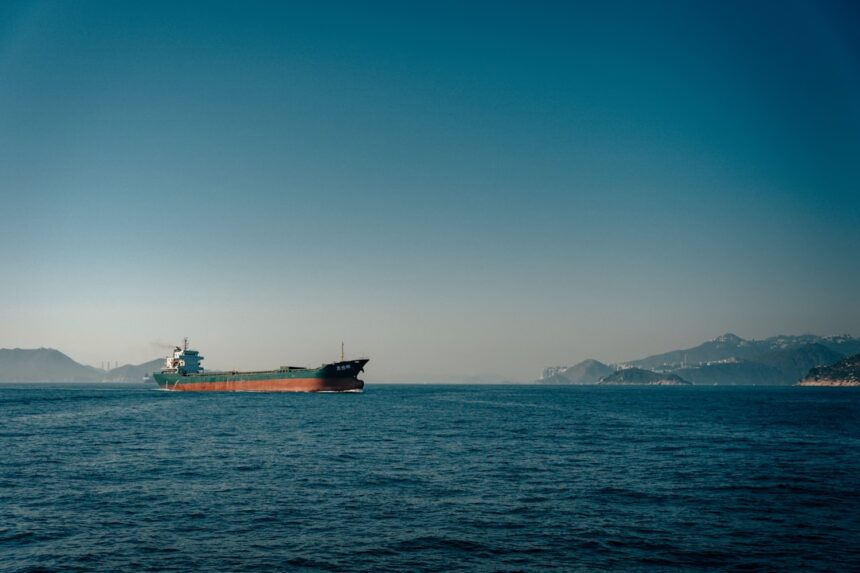
In a significant escalation of maritime conflict, a civilian vessel owned by Russia’s state nuclear corporation, Rosatom, was sunk by Ukrainian drone strikes in the Black Sea on the night of August 1, 2026. The incident was confirmed by Alexei Likhachev, head of Rosatom, who stated that all 17 crew members aboard the ship were successfully rescued without injuries.
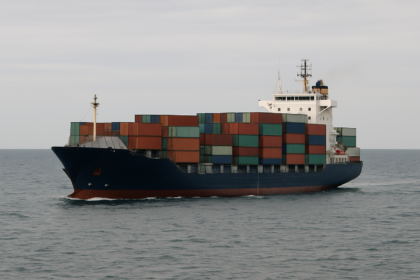
The targeted vessel was reported to be transporting various goods, including frozen food and construction materials, vital for ongoing Russian military operations. The Ukrainian government has reiterated its position, with President Volodymyr Zelenskiy labeling the strike as a strategic military operation aimed at undermining Russia’s capabilities.

The Context of the Attack
The attack comes as both Russia and Ukraine ramp up their military efforts, which now extend into maritime domains. With Ukraine actively targeting vessels that it identifies as contributing to the Russian war effort, the stakes for civilian shipping operators in the region have risen dramatically. Zelenskiy’s statement highlighted the precision of their defense forces and the aim to hit defined targets that sustain hostilities.

Maritime Security Concerns
As these military strikes on civilian vessels increase, the risk to seafarers operating in conflict zones becomes more pronounced. The shipping industry is closely monitoring these developments, with calls for enhanced protective measures for civilian maritime crews and vessels transiting potentially volatile waters. The incident raises serious concerns regarding the safety protocols and operational readiness of crews on ships that may inadvertently become embroiled in the conflict.
Why It Matters
The sinking of the Rosatom vessel underscores the heightened risks faced by civilian ships in conflict zones, forcing operators to reconsider routing, operational procedures, and risk assessments. The increasing naval engagements signal a shift in how maritime commerce is being impacted by geopolitical tensions. Future operations may require reevaluating insurance coverage and assessing the potential for demurrage as vessels navigate these uncertain waters. As tensions continue to grow, stakeholders are advised to remain vigilant and prepared for further developments that could affect civilian shipping and broader maritime logistics.