The Incident
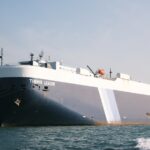
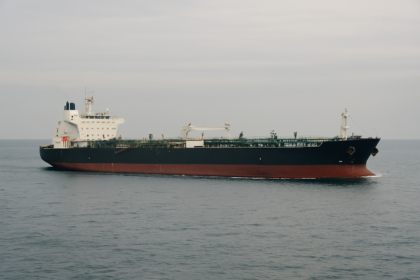
On July 20, Houthi-aligned forces announced a full naval blockade of Saudi Arabia, asserting it was a response to Saudi-led strikes on Sanaa airport. The blockade’s declaration specified that vessels linked to Saudi, Israeli, and U.S. interests would be targeted. Reports quickly emerged of attacks on Saudi vessels, with the UK Maritime Trade Operations (UKMTO) logging a projectile strike on the products tanker Encelia (IMO 9240172) approximately 70 nautical miles southwest of Al Shuqaiq. Fortunately, there were no casualties or pollution reported, and the Saudi Transport General Authority confirmed that the crew was safe. However, a second alleged strike on the Bahri-managed VLCC Layla (IMO 9336098) lacks independent verification as the vessel has been AIS-dark since July 17.
Market Impact
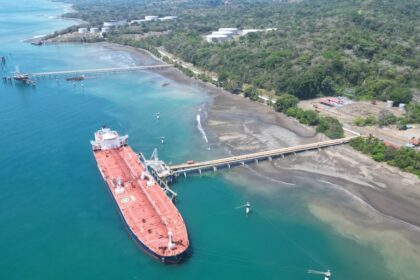
Amid the blockade’s declaration, a notable trend has surfaced as two tankers linked to China successfully loaded approximately 3.96 million barrels of Saudi crude at Yanbu on the same day and navigated southbound through Bab al-Mandeb without incident. Both vessels were confirmed as having Chinese crews and ownership, suggesting potential enforcement of the blockade is more strategic in targeting affiliations rather than obstructing all crude shipments. This suggests a tactical nuance in the blockade’s execution, raising questions about its true operational intent and enforcement capabilities.

Operator Response
The implications of the blockade extend to compliance and operational logistics for shipping operators navigating the region. A July 22 joint maritime warning indicated that Houthi missiles and drones have been positioned to enforce the blockade, prompting alerts for vessels associated with Israeli, U.S., and Saudi interests to steer clear of the Red Sea and the Gulf of Aden. Observations from the field demonstrate that, contrary to the blockade’s declared objectives, several tankers have altered their AIS transmissions, either going dark or diverting course, potentially indicating efforts to avoid disturbance while intending to secure cargo at Yanbu.


The Operational Read
The current situation underscores a recalibration of risk assessment for operators in the Red Sea and Gulf of Aden. The data indicates that compliance teams need to consider both vessel affiliations and the potential for selective enforcement when planning routes. The fact that crude oil continues to flow to China without incident highlights a tactical advantage for certain operators, while others face increased vulnerability under the blockade. Moving forward, it will be crucial for operators to monitor Houthi maritime strategies and be prepared for rapid changes in shipping security dynamics in this contested environment.