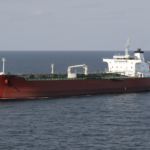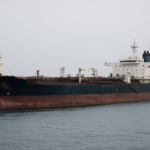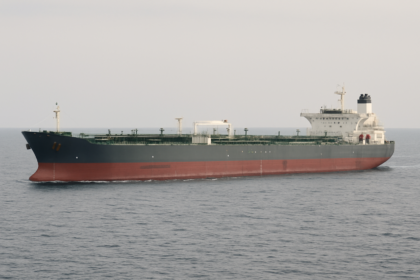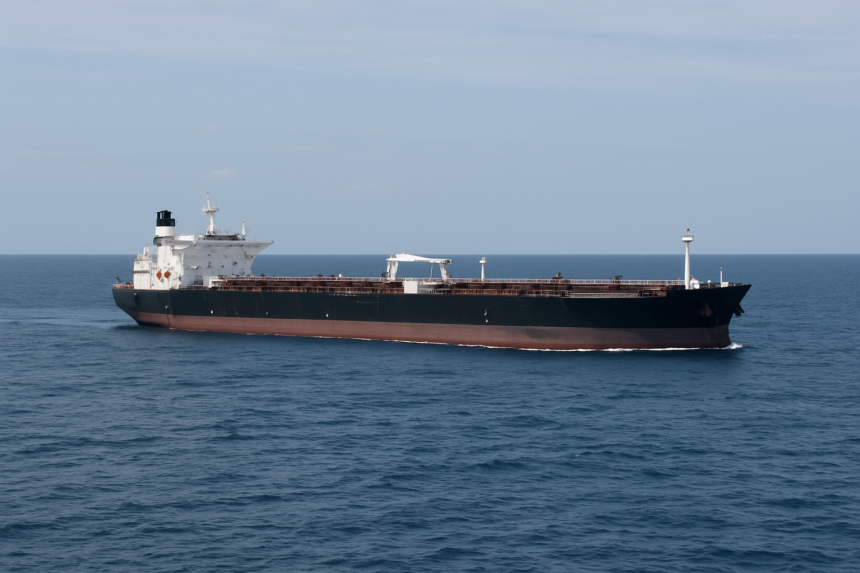
A Greek tanker, the Merbabu, has made its way out of the Red Sea with its transponder turned off, marking a significant maneuver amid escalating tensions following Houthi attacks. This incident coincides with the Iranian-aligned group’s recent announcement of a blockade on Saudi Arabia, raising operational risks for vessels navigating the critical Bab el-Mandeb strait.

Current Maritime Dynamics
According to ship-tracking data, the Merbabu emerged in the Arabian Sea late Thursday after having initially broadcast its location while in the Red Sea. This vessel is now en route to India. Meanwhile, the Hong Kong-owned supertanker New Explorer, also carrying Saudi crude, is heading towards the Bab el-Mandeb strait, a route that has seen increased traffic from Chinese and Russian tankers, even amidst heightened threats.
On Friday, operations through the Bab el-Mandeb appeared active, with several tankers transporting Russian crude toward India, while others entered the strait. However, for Western-owned vessels dealing with Saudi oil, the decision to traverse the Bab el-Mandeb has become increasingly fraught, with potential consequences including damage to the ship or loss of cargo.


Navigational Implications
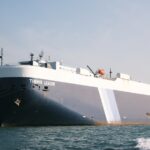
In light of the current maritime climate, some shipowners are reconsidering their strategies, with an uptick in inquiries about rerouting cargo around the African continent. This alternative route would involve navigating through the Suez Canal, significantly increasing voyage durations and operational costs. To illustrate this shift, the Denmark-owned products tanker Torm Innovation recently reversed course to take the northern route through the Suez, following safety concerns prompted by the Houthi blockade. This change in direction reflects broader trends, as evidenced by the liquefied natural gas carrier Gas King opting for a similar diversion just days prior.
Furthermore, reports have emerged of a very large crude carrier being provisionally scheduled to pick up cargo from Egypt’s northern coast for delivery to South Korea via the Cape of Good Hope—marking the first instance of such a booking in years.
The Operational Read
The precarious situation in the Red Sea necessitates immediate attention from ship operators, crews, and charterers. With the potential for escalation in maritime threats, there is a discernible shift in operational protocols among carriers engaged in the region. For Western operators, the dilemma between navigating the challenging Bab el-Mandeb strait or opting for longer, albeit safer, routes could profoundly impact cost structures. The use of transponder suppression underscores legitimate concerns about vessel safety. Observers should monitor ongoing negotiations with Saudi Aramco regarding rerouting options, as well as the broader implications for shipping operations in the surrounding areas.