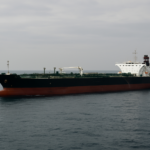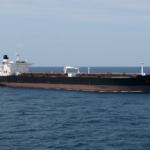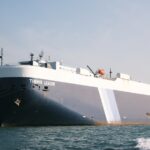
Marine insurance premiums for vessels operating in the Strait of Hormuz have soared amid intensifying attacks on tankers, prompting significant disruptions to crude oil supply chains from the Persian Gulf. According to Marcus Baker, global head of marine, cargo, and logistics at brokerage Marsh, the cost for war risk insurance has surged, now ranging from 7.5% to 10% of the hull value, a marked increase from the previous range of 1% to 3% just weeks prior.
The Current Landscape
This surge in insurance rates reflects insurers’ growing reluctance to provide coverage in an increasingly volatile environment. Baker indicated that while the insurance market generally has substantial capacity to absorb risk, with global hull coverage estimated between $2.5 billion and $3 billion, underwriters are cautious about offering coverage under current market conditions. The rising premiums coincide with reports of heightened aggression from Iranian forces against commercial shipping, marked by eight attacks recorded by the UN between July 13 and 20.
On July 21, only 10 vessels transited the Strait of Hormuz, a significant drop from 16 on July 20, highlighting the declining commercial activity in a waterway historically crucial for global oil and LNG transportation, accounting for approximately 20% of seaborne flows. The rapid fluctuation of insurance rates has been facilitated by modern vessel tracking technologies, enabling underwriters to respond swiftly to evolving risk landscapes.

Market Repercussions
The increase in insurance costs and subsequent decline in tankers transiting through Hormuz has prompted concerns over the potential for further disruptions in crude flow. With operational constraints in place, many tanker operators are becoming increasingly risk-averse, opting to halt operations in the strait altogether. This behaviour not only reduces the number of vessels passing through the strait but consolidates risk by potentially presenting fewer targets for hostile actors.
As the situation remains fluid, the shipping industry is closely monitoring developments. In parallel, the situation in the Red Sea has seen a slight elevation in risk perceptions as threats from the Houthi movement have led to increased premiums for transits through the Bab al-Mandab Strait, now standing at 0.5% of hull value. Such shifts underline the essential need for continual assessment of maritime risk in the region.
The Operational Read
The rising cost of insurance in the Strait of Hormuz presents a critical challenge for operators and the broader oil supply chain. A limited number of vessels transiting the area may alter shipping routes and impact global crude and LNG availability. The ongoing attacks highlight the unpredictable nature of regional geopolitics, and operators must navigate increased risk assessments and financial implications of higher premiums. Moving forward, it will be essential for stakeholders to develop contingency plans that account for fluctuating maritime risks and prepare for potential escalations in regional tensions, which could further disrupt supply chains and increase operational costs.