Update 26 Jul 2026, 22:35 UTC:
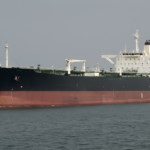
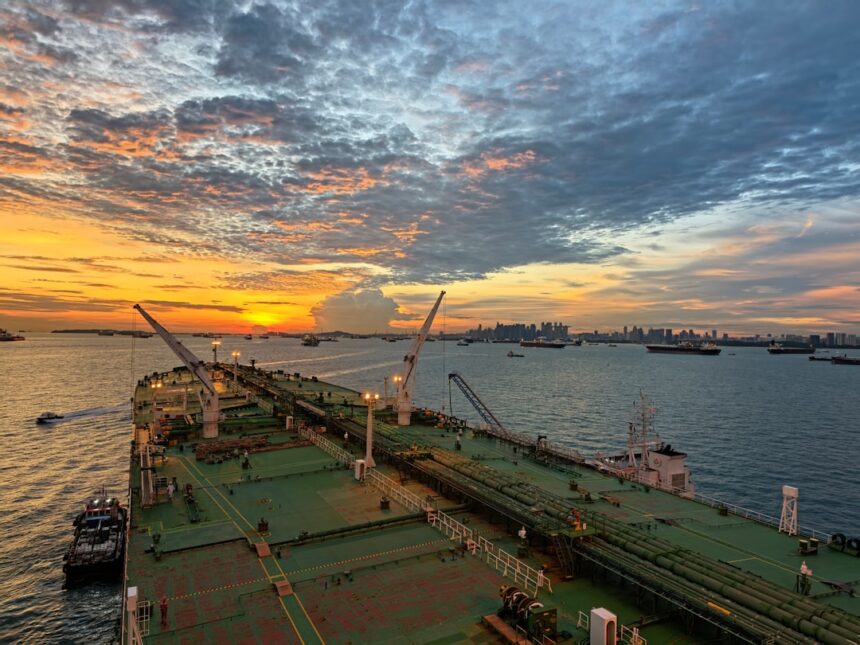
The announcement of a full naval blockade by Houthi forces against Saudi Arabia on July 20 has significantly heightened security risks in the southern Red Sea, directly impacting oil tanker operations. Shipbroker Gibson reports that the threat level has disrupted crude exports from Yanbu to East Asia, consequently leading to a renewed increase in freight rates.
The Incident
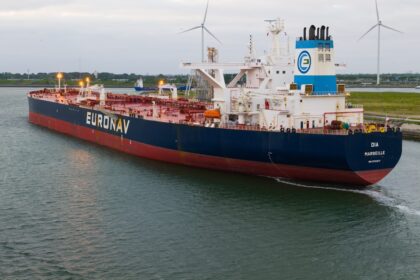
The blockade has effectively paralyzed direct shipping routes through the Bab-el-Mandeb, compelling Saudi Arabia to leverage its East-West pipeline to maintain export volumes, currently reported between 3.5 and 4.0 million barrels per day (mbd). Most shipments are directed towards Asia, compounding logistical challenges following the Houthi attacks on two tankers within days of the blockade. With the southern route mostly blocked, tankers are shifting towards longer routes through the Suez Canal and the SUMED pipeline, with some vessels needing to complete extensive detours around the Cape of Good Hope.

Market Impact
The necessity to offload cargo at locations such as Ain Sukhna due to Suez draft limits introduces additional costs and time delays. While transshipment strategies via SUMED are alternatives, they are hampered by capacity limits within the 2.5 mbd pipeline. Current storage at Sidi Kerir may provide a temporary supply fix, but it still necessitates lengthy detours for Asian-bound shipments.
The blockade is exacerbated by a tightening vessel positioning deficit across the primary crude segments. Gibson highlights that only 74 VLCCs are currently positioned in the West-of-Suez, representing merely 10% of the global VLCC fleet. The market anticipates a short-term deficit of timely VLCCs available to reach Yanbu, thereby exerting upward pressure on freight rates.
Operator Response
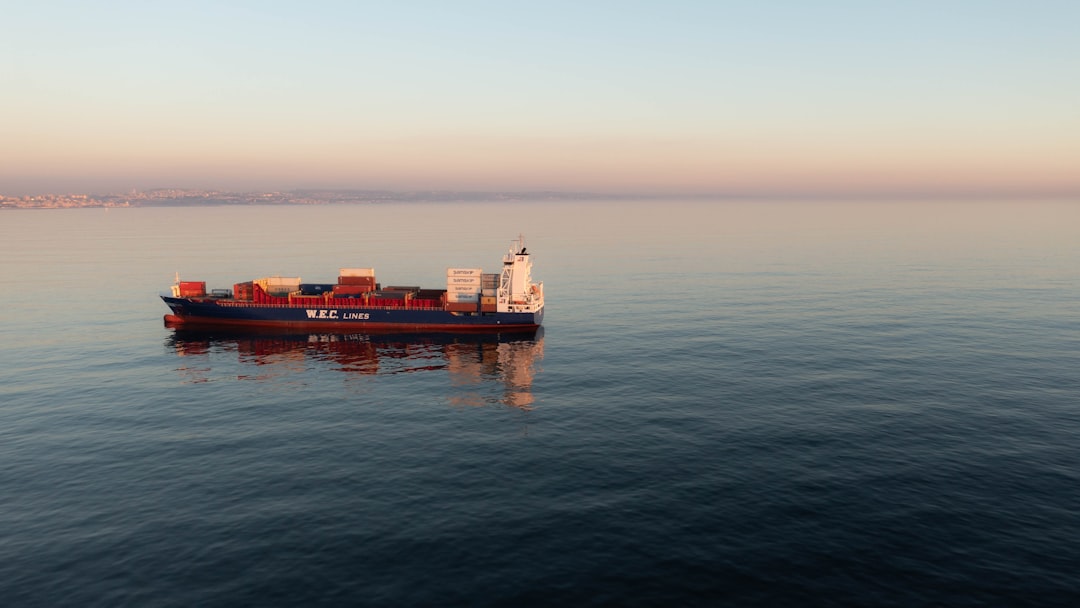
In light of these challenges, charterers may consider switching to Suezmax vessels, which are capable of transiting the Suez Canal fully laden. However, this approach could lead to loading inefficiencies at Yanbu while diminishing economies of scale. Charterers must navigate burgeoning demand in the Atlantic Basin, where the recent uptick in interest for Suezmaxes jeopardizes timely repositioning for deliveries to the Red Sea.
Recent suspensions in CPC pipeline operations following tanker attacks in the Black Sea further complicate the crude supply route equations for European markets. As the demand for replacement barrels in Europe increases, the potential for rerouting Yanbu barrels could translate to a significant boost in overall crude ton-mile demand, estimated at roughly 130% longer journeys toward ports like Ningbo.
Behind the Headline
The ongoing geopolitical tensions in the Red Sea reflect the complexities faced by operators as they weigh routing options. The operational impact of the Houthi blockade not only affects direct shipping routes but also introduces a cascade of logistical inefficiencies that could see freight costs continue to spiral. The shipping market must adapt to these shifts, balancing the availability of tankers while navigating heightened risks. Moving forward, stakeholders should closely monitor the availability of vessels and the stability of shipping routes, as disruptions in one area can swiftly ripple through the broader oil transport landscape.