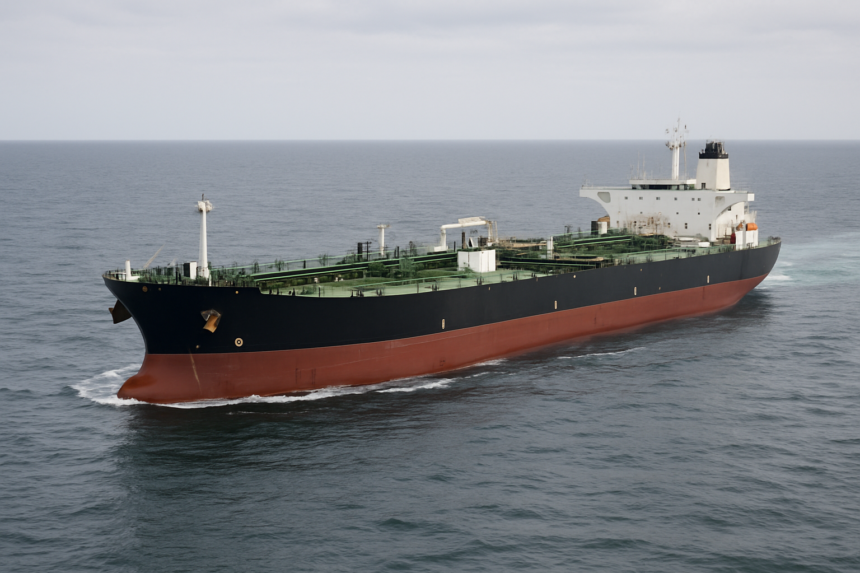
The shipping lanes of the Strait of Hormuz have seen a drastic reduction in transits, averaging only 12 crossings per day as of July 20, according to data from Clarksons Research. This figure represents a staggering 90% decrease compared to pre-conflict levels of 125 crossings daily. The decline in vessel traffic is directly linked to the escalating tensions within the Middle East, which has significantly disrupted energy exports from the region.
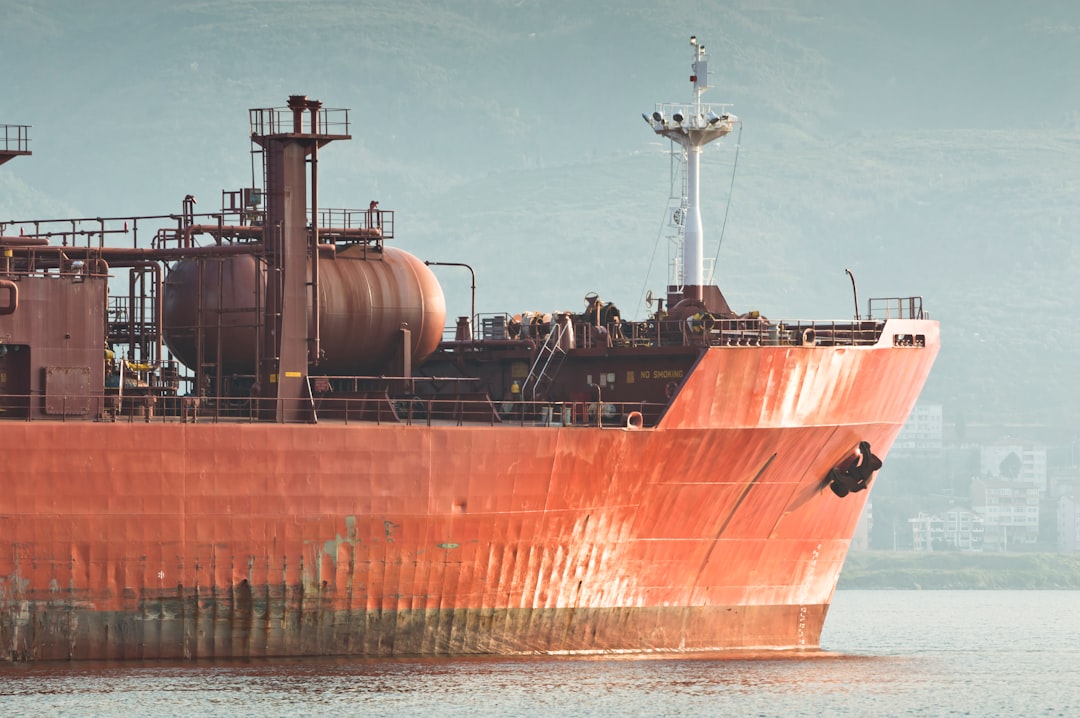
Current Traffic and Energy Flow
Over the past week, the tonnage of crude oil passing through the Strait has also fallen sharply, currently estimated at around 1.5 million barrels per day (bpd), a drastic reduction from 10 million bpd recorded in early July, and 15 million bpd prior to the conflict. Alarmingly, no ‘mainstream’ very large gas carriers (VLGCs) have left the Gulf in the past ten days, while laden Qatari LNG carriers have not transited the Strait in nearly two weeks. This drop is reflective of the broader impact of the ongoing conflict on global energy supply chains.
Security Concerns and Market Implications
The threat to shipping in the region has escalated, with last week marking the highest number of vessel attacks—five incidents—within a two-month period. This increase in security incidents has further complicated operations in the Strait of Hormuz, an essential chokepoint for global oil traffic. Currently, around 385 vessels are waiting off Oman, a figure that, while down 2% week-on-week, remains 25% higher than levels at the beginning of June.

Despite the significant drop in volume transits and energy trade, the energy shipping markets have remained elevated, largely due to the shifts in trading dynamics and the need for alternatives. VLCC earnings have reportedly soared to $128,000 per day, marking a 32% increase since early June, while Suezmax and Aframax earnings have shown remarkable gains of 63% and 68%, bringing them to $148,000 and $109,000 per day, respectively. Conversely, product tanker markets have exhibited more stability, with medium-range (MR) clean rates hovering around $25,000 per day.
Behind the Headline
The stark decline in transits through the Strait of Hormuz highlights the precarious state of maritime operations in the region. Shipping operators must navigate a highly volatile environment, balancing safety risks with operational requirements. With vessel attacks on the rise and supply chain disruptions becoming more commonplace, companies may need to consider longer routes or rerouting costs. Monitoring the situation closely is essential, as the overall health of the energy market remains dependent on stable shipping traffic through this critical passage. Stakeholders should prepare for continued fluctuations in market dynamics as geopolitical tensions evolve, particularly as they relate to energy supply chains.