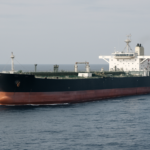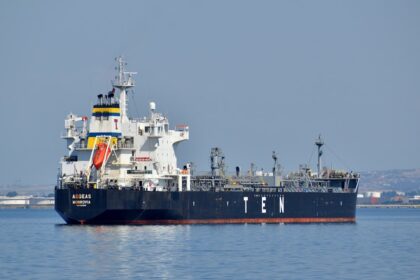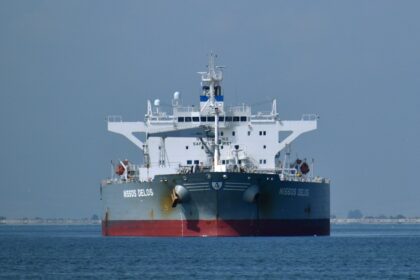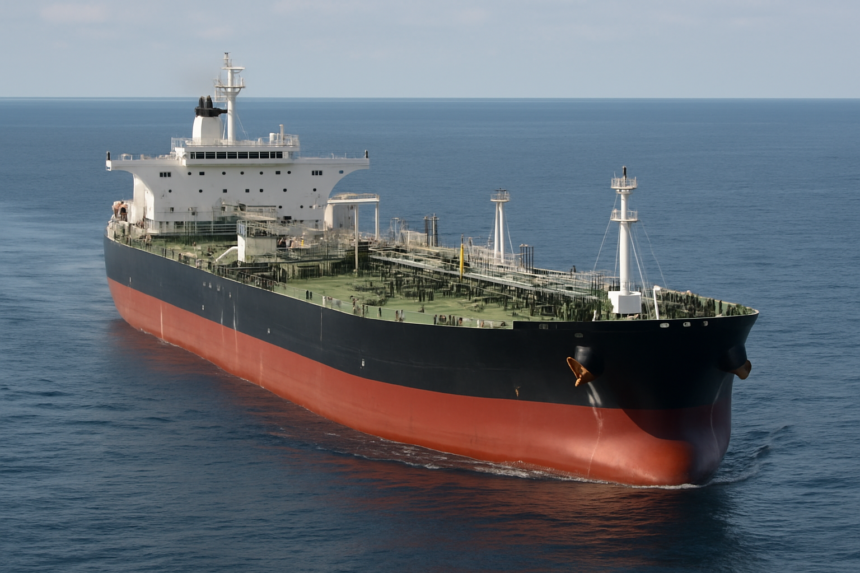
Two tankers have diverted from their intended routes to Saudi Arabian ports following recent threats from the Houthi movement targeting shipping activities. The XIN LONG YANG, a Very Large Crude Carrier (VLCC) managed by COSCO Shipping, was set to carry approximately 2 million barrels of crude oil to China. Meanwhile, the RODOS, an aframax tanker operated by Dynacom, was carrying around 700,000 barrels to India.

Threat Context
The recent Houthi threats come amid a broader context of increased tensions in the Red Sea. The Houthi forces have warned against any vessels approaching Saudi waters, suggesting a possible escalation of hostilities that could impact maritime safety. As a result, both vessel operators opted to reverse course to mitigate risks associated with potential attacks or disruptions.
Market Implications
The diversion of these tankers not only indicates heightened security concerns but also signals potential shifts in market dynamics for crude oil transportation. Operators must now reassess risk management strategies and consider the implications for laytime and demurrage if transport routes become less predictable due to geopolitical tensions. Increased war-risk premiums may also factor into future shipping costs as these developments unfold.


Operator Response
Shipping companies are urged to remain vigilant as they navigate the evolving situation. The alterations in shipping routes may necessitate adjustments in logistics planning to ensure timely deliveries, as reduced direct access to Saudi ports could lead to delays and increased operational costs.
Behind the Headline
The decision by tankers to divert highlights the fragility of maritime operations in high-tension areas. For operators, the immediate focus is on ensuring the safety of crews and cargo while navigating the complexities of revised shipping routes. The ongoing threats pose questions regarding insurance, potential delays, and the broader implications for oil supply chains. Observers should monitor changes in the geopolitical landscape closely, as these factors could directly influence shipping operations and associated costs in the coming weeks.