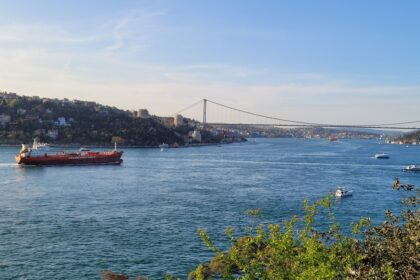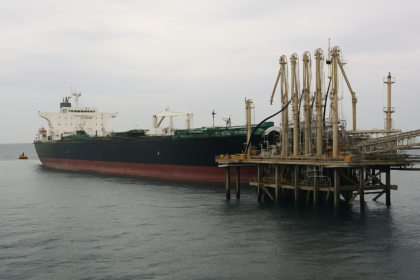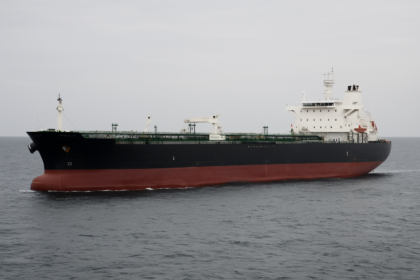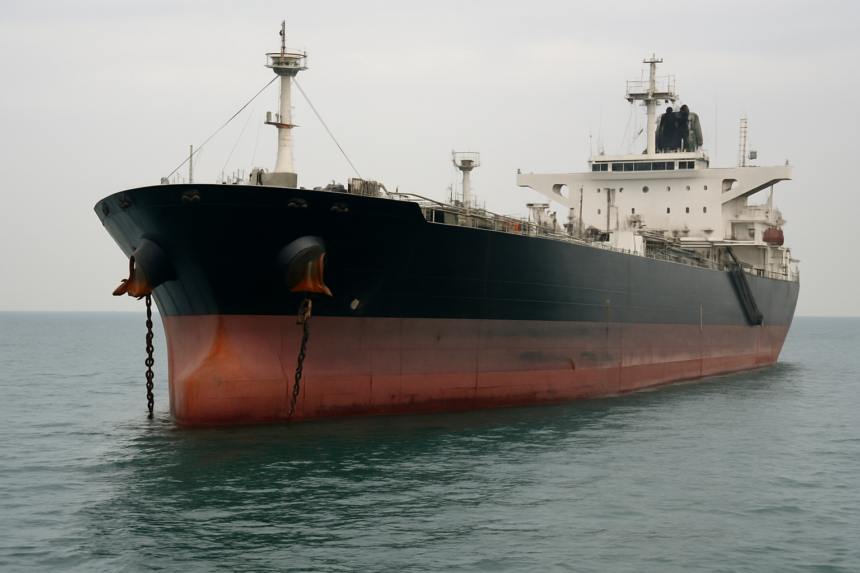
An oil tanker, Kavomaleas, has reportedly halted operations in the Strait of Hormuz after the Iranian Navy targeted vessels in the region, raising significant safety concerns for maritime traffic. The products tanker signaled early Monday that it is anchored and empty, having transitioned from the Gulf of Oman and near the Musandam Peninsula, with its previous location logged in the Gulf of Oman on Sunday.
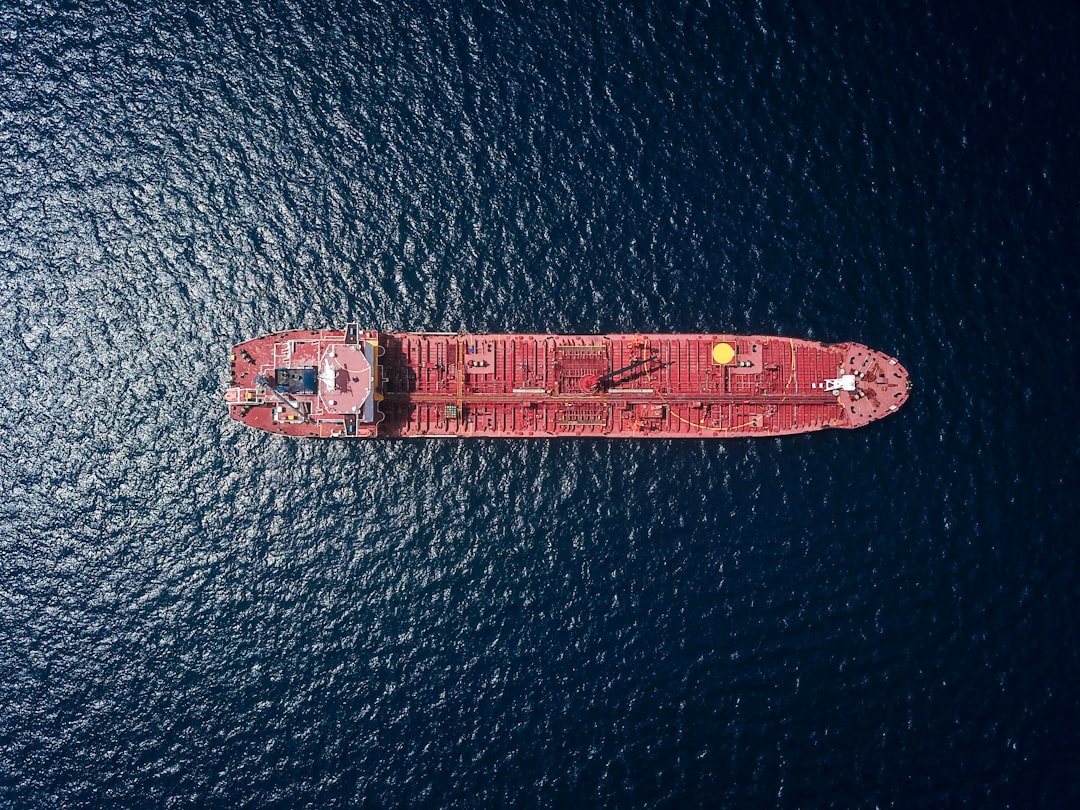
Initial reports indicate that the Kavomaleas was navigating through the Strait with its transponder switched off, a maneuver often employed to avoid detection amid escalating tensions. Before the ship’s reappearance in the Strait, the Islamic Revolutionary Guard Corps (IRGC) communicated that four vessels had attempted to transit via a purportedly “unsafe route”. This performance led to two of the vessels being stopped, resulting in unverified incidents reported by Iranian media.
Implications for Maritime Safety
The UK Maritime Trade Operations issued guidance indicating an unnamed vessel on fire northwest of Kumzar, Oman, shortly after the Kavomaleas was last reported in the vicinity. While the causes of the incident are yet to be identified, such events have raised alarm among shipping operators navigating this crucial waterway.

Dynacom Tankers Management, the operator of Kavomaleas, had reportedly chartered the tanker to load cargo from the Persian Gulf over the weekend. In response to the heightened risks, Dynacom has been noted for taking proactive measures by maneuvering its tankers with transponders off to ensure safer passage through the strait.
Market Reactions and Future Considerations
Visible traffic in the Strait of Hormuz was noted to be near a standstill early on Monday as Iranian-U.S. tensions escalated over the weekend. The potential for attack on vessels has forced operators to consider their routes, with many opting for alternatives along the Omani coast while often navigating dark to mitigate exposure. A Marshall Islands-flagged bulk carrier was observed attempting to transition through the strait on Monday after going dark.
Oil traders and shipping executives are closely monitoring the situation, particularly as some vessels seek to navigate the Iranian-accepted corridor further north, introducing compliance risks for charterers and shipowners with existing sanctions against Iran.
Behind the Headline
The ongoing tensions in the Strait of Hormuz represent a significant operational challenge for shipping operators. The increased lethality of maritime traffic jeopardizes safety and the ability to transport oil and gas efficiently. Operators must now weigh the risks of cargo delays against compliance with international regulations, given the unpredictability of actions taken by Iranian forces. It will be crucial to watch how shipping patterns adapt in the face of these disruptions, as the balance between commerce and safety continues to shift in this strategic chokepoint.