The Current Landscape
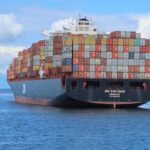
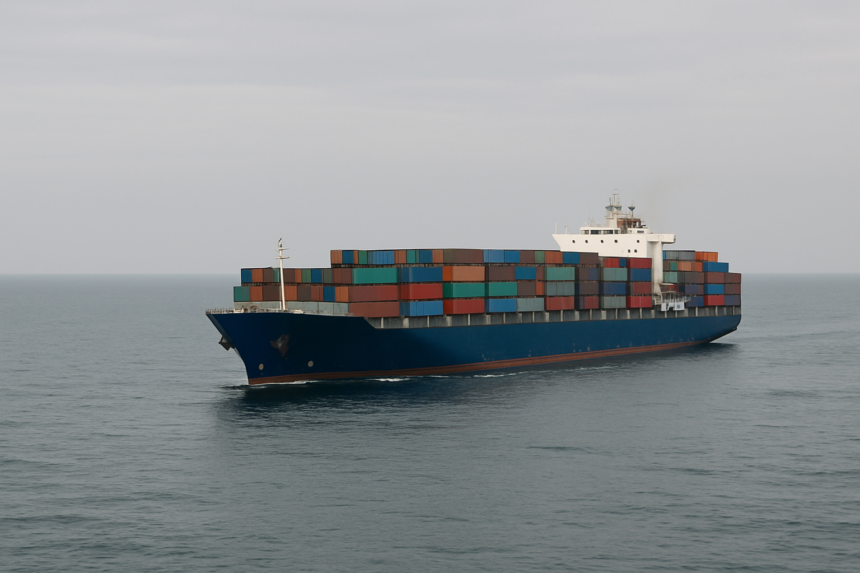
Container freight rates have seen a marked increase, reaching USD 4,639 per forty-foot container, according to Drewry’s World Container Index, as of July 9, marking the highest level since September 2024. The surge is predominantly driven by heightened rates on Asia-Europe trade routes. Sogese S.r.l.’s July Europe Container Market Update indicates a complex interplay between geopolitical and logistics recoveries, suggesting that disparities in these areas will significantly influence freight rates, transit times, and port congestion through the remainder of 2026.
Geopolitical Context and Market Implications
According to Andrea Monti, CEO and Managing Director of Sogese, the container shipping market currently grapples with a multifaceted crisis encompassing geopolitical instability, robust seasonal demand, and capacity shortages. The situation remains precarious, particularly concerning potential disruptions in the Strait of Hormuz due to ongoing tensions involving Iran and the United States.
A ceasefire could be negotiated swiftly; however, the logistics framework requires months to realign, hindered by the need to reposition equipment and restore operational reliability. The critical challenge ahead lies not in managing disruption itself, but rather in navigating the complexities of recovery.

Capacity Challenges Ahead
The global fleet is projected to expand by five to six percent in 2026, yet nearly 20% of nominal capacity remains effectively unavailable due to various factors, including slow steaming and port congestions. Rerouting vessels via the Cape of Good Hope can extend transit times by one to two weeks while absorbing approximately 2.5 million TEU of capacity.
Following the closure of the Strait of Hormuz in late February, about 10% of the global container fleet was affected, leaving over a hundred vessels seeking shelter in the Gulf. Although there were signs of increased traffic through the Strait as of June 17, the recovery has been incomplete, with operational and security barriers continuing to pose significant challenges.
War risk and emergency surcharges related to Gulf-linked routings can reach thousands of dollars per container. Insurance costs have fluctuated to levels that are several multiples higher than pre-conflict rates.
Operational Readiness for Recovery
Sogese warns that a shift to Suez routing could create overlapping vessel arrival waves at European ports, thereby increasing the risk of congestion that could ripple through inland transport networks, affecting rail, trucking, and warehousing processes. Such disturbances may lead to container shortages at Asian origins approximately eight to nine weeks later.
As the industry faces the prospect of returning to shorter routing, it must prepare for the complexities that this transition may introduce—not only in terms of capacity management but also the final demand for that capacity. Monti emphasizes that the upcoming focus will pivot from merely assessing the loss of capacity to evaluating how much capacity is genuinely required in a recovering market.
Behind the Headline
The dynamics of freight rates, geopolitical tensions, and recovering logistics networks underscore the complexities facing the container shipping industry. Operators must adapt to a shifting landscape where recovery brings its own challenges, including the potential for congestion and capacity strains. Monitoring the interplay between recovery efforts and geopolitical stability will be essential for stakeholders as markets evolve. The operational resilience demonstrated over the past two years will be put to the test as the industry seeks to balance demand against newly aligned capacity realities.