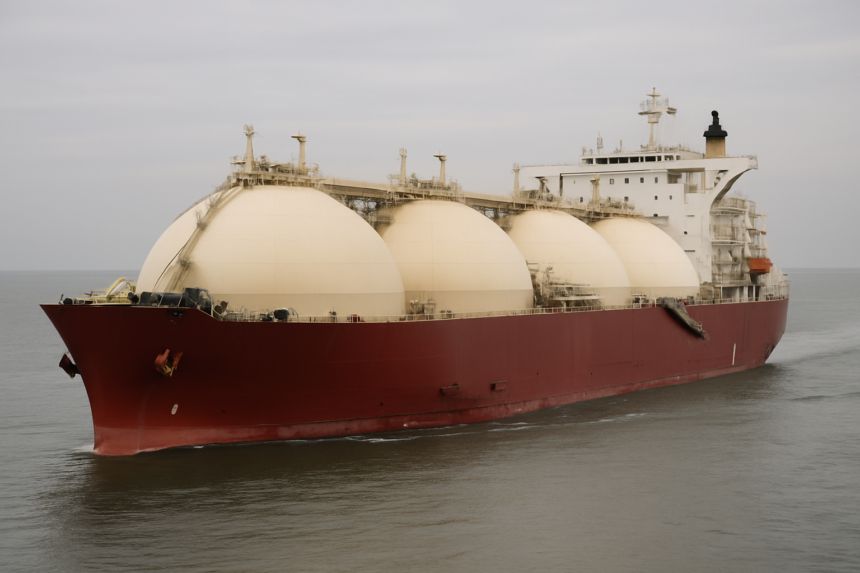
Pakistan is actively seeking bids for a spot liquefied natural gas (LNG) cargo as geopolitical tensions in the Gulf disrupt regular supplies from Qatar. The need for immediate LNG has arisen following a declaration of force majeure by the country’s largest gas utility, Sui Northern Gas Pipelines Limited (SNGPL), due to escalated military exchanges between the United States and Iran near the strategic Strait of Hormuz.

Impact of Force Majeure on LNG Supply
SNGPL announced that, effective July 14 until August 3, it would suspend contractual obligations related to gas supply. This interruption poses significant risks for LNG-based power generation, particularly as the summer months typically see heightened electricity demand across Pakistan.
In a bid to mitigate potential power outages, Pakistan LNG Limited (PLL) has officially invited international suppliers to submit bids for a single LNG cargo of approximately 140,000 cubic meters. The cargo is crucial for delivery on July 15-16, underscoring the urgency with which the government is attempting to stabilize the energy supply chain.

Shifts Towards Alternative Fuel Sources
Energy experts have pointed out that if the Gulf’s conflict escalates further, Pakistan may experience a “high risk of increased blackouts and petrol shortages.” The country primarily relies on gas for its electricity generation, with about 17 percent of its power supply coming from gas, including 6 percent specifically from imported LNG.
Typically, Pakistan requires between four to five LNG cargoes monthly during high-demand seasons, raising concerns about the sustainability of power in light of the ongoing disruptions. To counteract potential shortages, officials indicated that there may need to be an increased reliance on hydropower, along with using furnace oil and coal-fired generation as alternative power sources.
The Operational Read
This situation highlights the precarious nature of Pakistan’s energy security, particularly as reliance on spot LNG presents both price volatility and supply uncertainties. As operators pivot toward the spot market, the elevated costs associated with purchasing LNG could exacerbate inflation and plug more financial strain on consumers. Monitoring developments in the Gulf region will be critical for stakeholders, as any escalation may necessitate further operational adjustments and strategic sourcing of energy supplies.