Update 12 Jul 2026, 20:35 UTC:
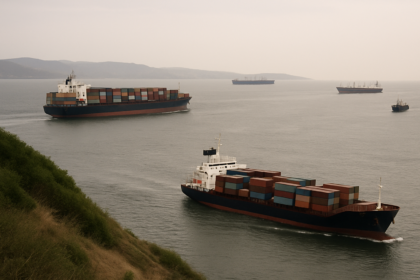
Commercial vessel transits through the Strait of Hormuz have seen a dramatic decline, with only 20 vessels reported moving in both directions on July 9. This reduction in traffic follows a series of vessel attacks in the area, prompting operators to reassess their routes amidst heightened security risks.
The Shift in Routing
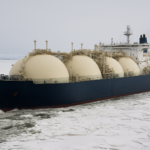
Recent data indicates a notable shift in routing behavior among various vessel classes. While most major segments have increasingly favored the Iranian-controlled route, gas carriers appear to be exhibiting different patterns. Although there is evidence to suggest that LPG and LNG carriers may also be diverting through Iranian waters, the actual routes taken are obscured due to disrupted Automatic Identification System (AIS) signals, making route confirmation challenging.

Operational Implications
The observed increase in dark transits—where vessels turn off their AIS—has nearly doubled across segments, with tankers as the only exception. This change may reflect broader operational adjustments among shipping companies as they navigate increased threats and attempt to mitigate risk. The move towards less visible routing strategies raises questions about safety and compliance with maritime regulations, with operators needing to balance operational anonymity against the need for transparency.
The Operational Read
This situation exemplifies the complicated reality faced by maritime operators in volatile regions. The shift towards dark transits poses significant operational challenges, including compliance risk and heightened insurance premiums. Charterers and operators are advised to remain vigilant regarding AIS status and consider potential liability issues that may arise from relying on non-standard routing. Watching for trends in this shifting landscape will be crucial for risk assessment and operational strategy moving forward, especially as tensions persist in the region.