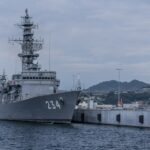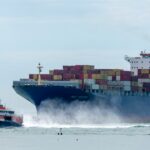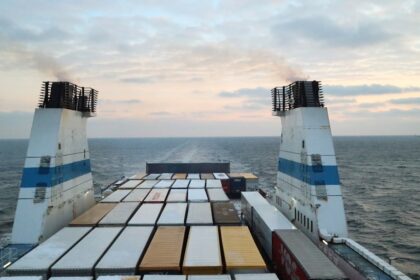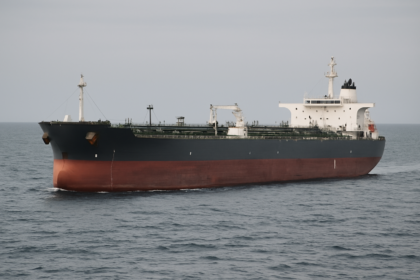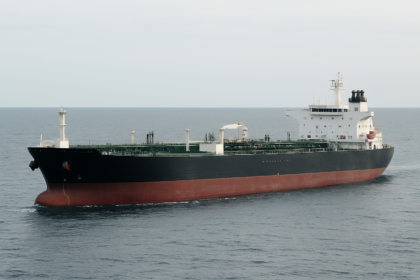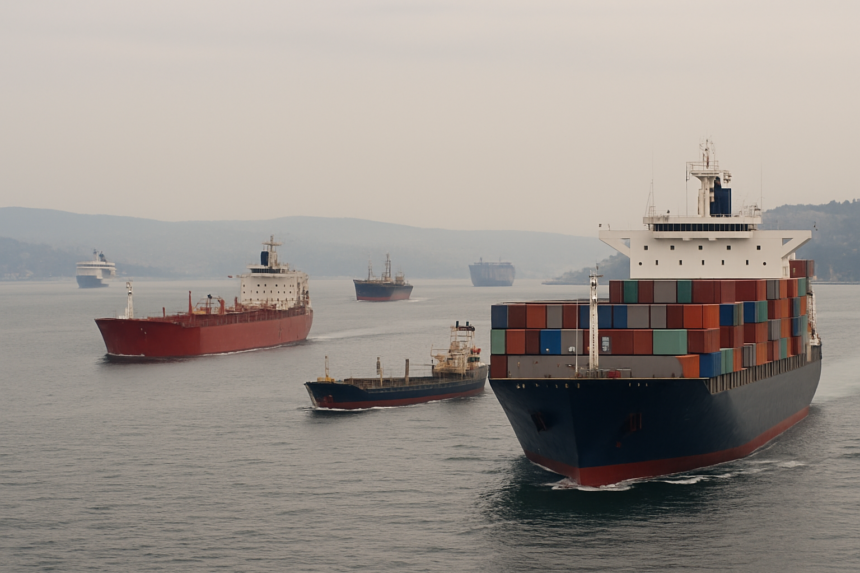
The Strait of Hormuz has witnessed a dramatic reduction in maritime traffic as a direct consequence of military actions taken by the United States against Iran. Following strikes on July 6 and 7, which targeted Iranian positions, U.S. President Donald Trump announced that the ceasefire between the two nations was effectively over. This declaration has sent ripples through the shipping community, raising alarm bells about the safety of vessels transiting this crucial maritime chokepoint.
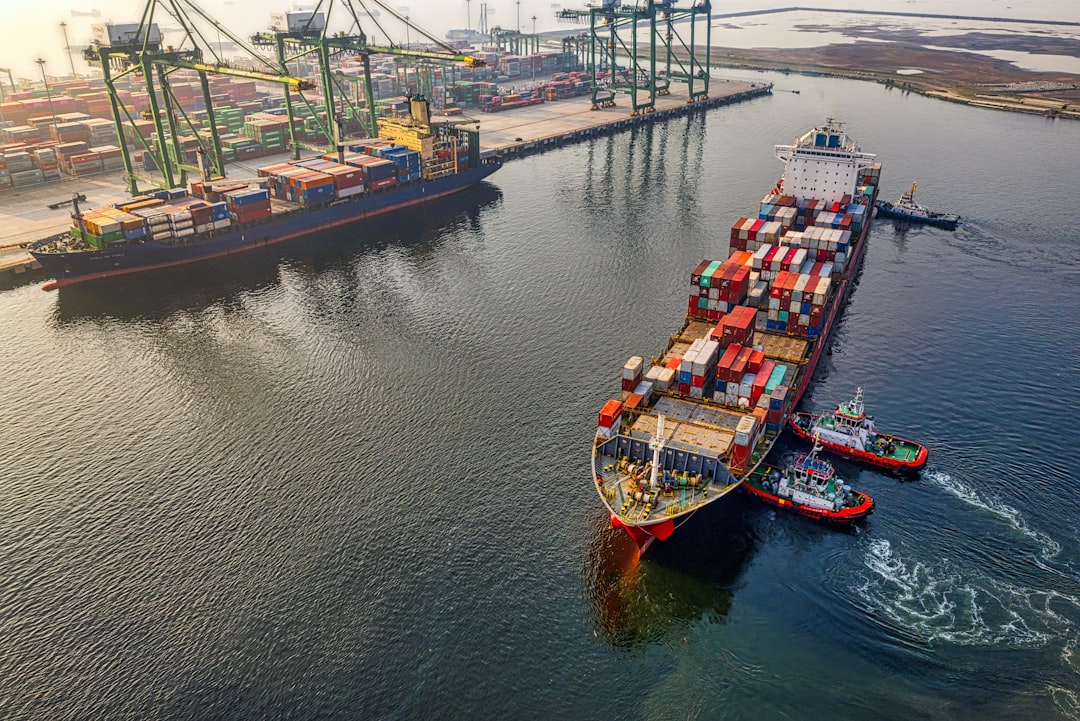
The Incident
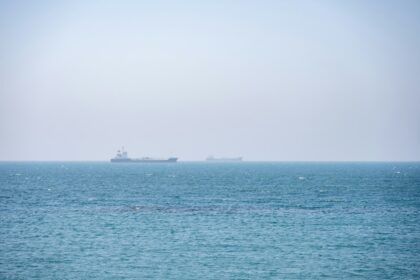
The immediate aftermath of the U.S. strikes resulted in a near standstill of commercial operations in the Strait of Hormuz, a vital artery through which a significant volume of the world’s oil supply flows. The attacks on three commercial vessels during this period have heightened concerns among operators regarding the security of transits. With Iran’s response potentially impacting shipping activities, the risks for crews and cargo have escalated sharply.
Market Impact
As tensions rise, the implications for shipping companies operating in or near the Strait of Hormuz are serious. The region is a critical hub for maritime trade, and disruptions not only affect oil transportation but also have wider repercussions on global supply chains. Companies are expected to revisit their routing strategies and consider the financial implications of potential delays caused by increased geopolitical risks. Any sustained disruption could lead to higher war-risk premiums, further complicating shipping and insurance costs.

Operator Response
Shipping operators are now evaluating their options in light of the current situation. Immediate actions may include re-routing vessels around Africa via the Cape of Good Hope, which, while safer, adds significant costs and transit time. Operators must weigh these factors against the backdrop of fluctuating oil prices and potential economic repercussions. Continued monitoring of developments will be crucial for timely decision-making and ensuring the safety of assets at sea.
The Operational Read
The ongoing geopolitical tensions in the Strait of Hormuz underline the fragility of maritime operations in the region. As the risk environment shifts, ship operators must remain vigilant, reassessing their operational plans and compliance with safety protocols. Enhanced risk awareness is necessary for crews, who may face risks not only from geopolitical actions but also from retaliatory measures. Incorporating real-time intelligence and leveraging global shipping networks will be critical for navigating the evolving landscape, particularly as tensions have reached a level that could have longer-term implications across the maritime sector.