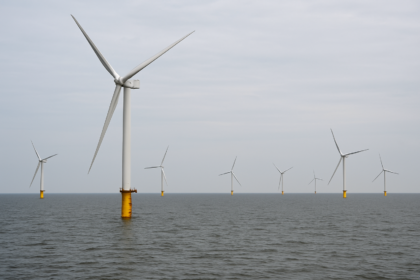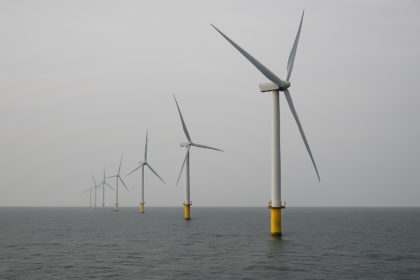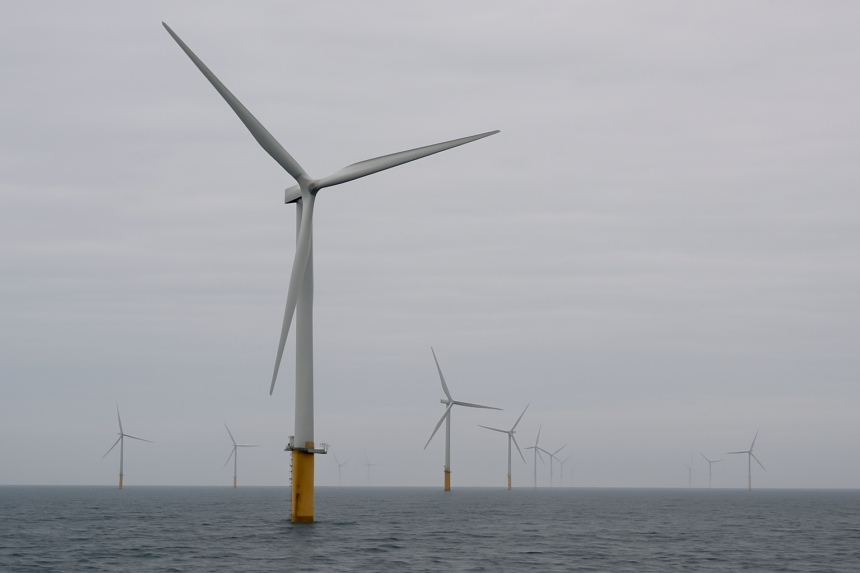
Global renewable energy consultancy OWC has announced a memorandum of understanding (MoU) with APEM, specifically through its subsidiary GoBe Consultants, to jointly address the complexities associated with offshore wind decommissioning in the UK.
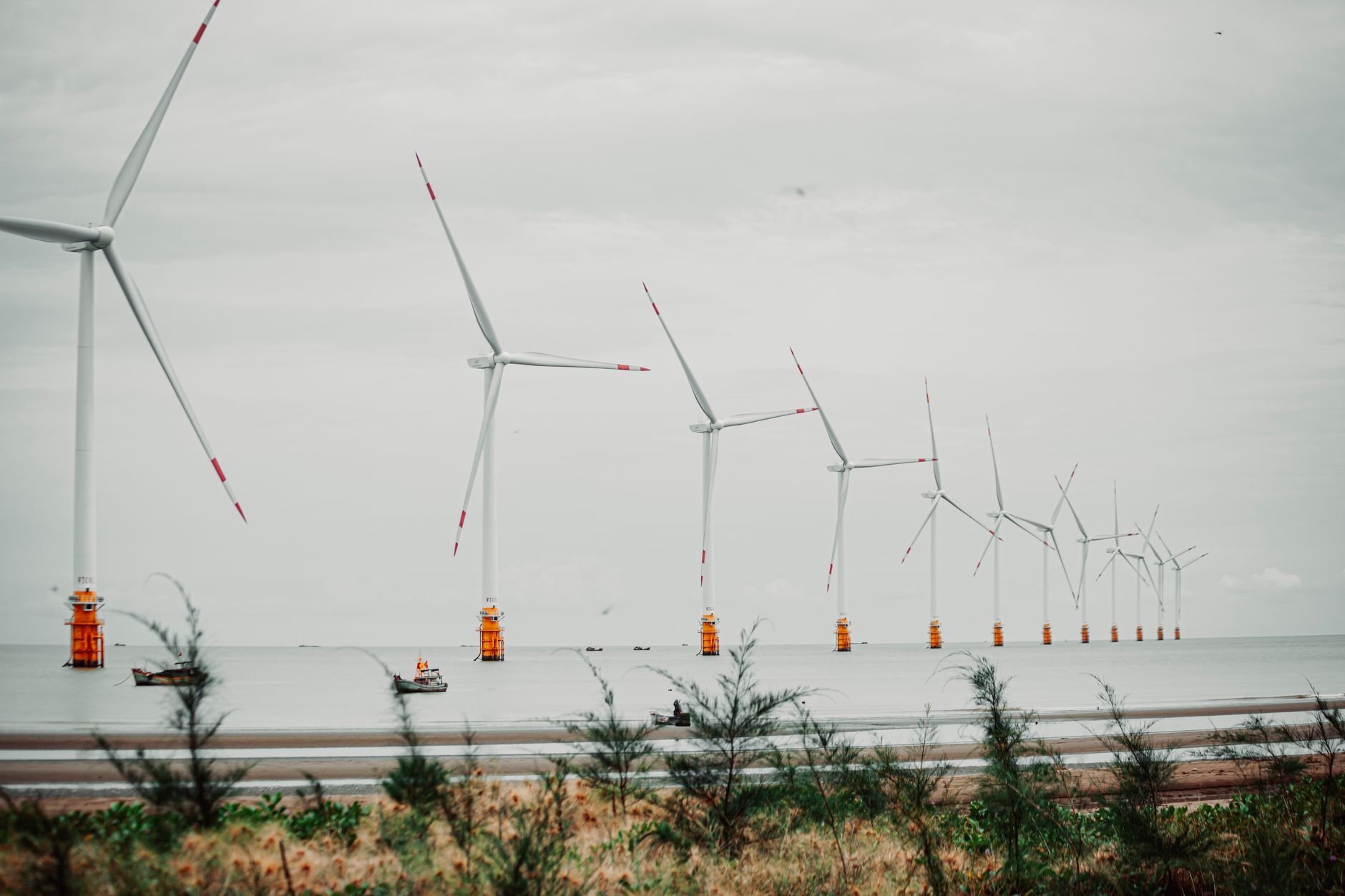
The Partnership Details
This collaboration focuses on delivering integrated technical solutions tailored for the offshore wind sector. With the UK having made significant investments in renewable energy, the need for robust decommissioning strategies becomes increasingly critical as older wind farms begin to reach the end of their operational life.
Importance of Decommissioning in the UK
The UK’s offshore wind industry has been a leader in renewable energy implementation, yet as infrastructure ages, operators face challenges related to decommissioning. Effective planning and execution are vital to minimize environmental impact and ensure safety during dismantling processes. This new partnership positions OWC and APEM as key players in mitigating risks associated with these complex operations.


Market Implications
The agreement is expected to bolster confidence among clients by providing comprehensive solutions from planning to execution of decommissioning campaigns. As the landscape of offshore renewable energy evolves, adherence to environmental regulations and operational efficiency will be paramount. The partnership aligns with the UK’s regulatory framework that emphasizes sustainable practices in energy management.
Behind the Headline
The collaboration between OWC and APEM serves as a strategic response to the challenges tied to the decommissioning of aging offshore wind infrastructure. With the transition from installation to decommissioning, operators must navigate complex regulatory environments and environmental considerations. This partnership enables access to specialized expertise and streamlined processes essential for reducing uncertainty in project timelines and costs. As the offshore wind market continues to expand, monitoring the outcomes of such collaborations will be critical to understanding their long-term impact on the sector’s sustainability and operational efficiency.