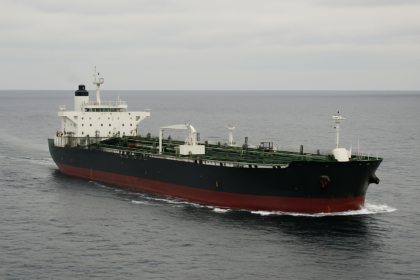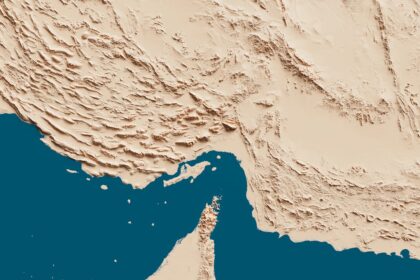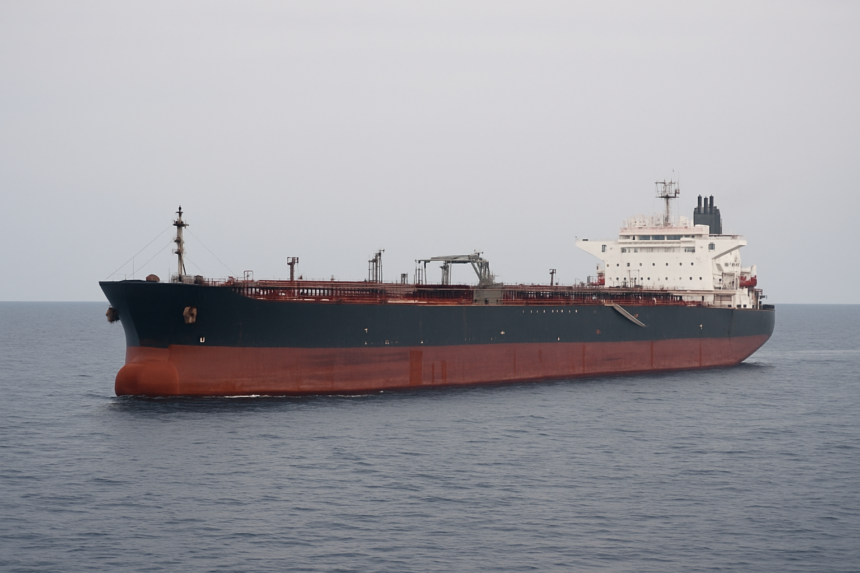
Iran has officially rejected a proposal for international demining of the Strait of Hormuz, announced by French President Emmanuel Macron earlier this week. The suggestion involved collaboration with Oman and other partners to address safety concerns in a region critical for global oil trade.
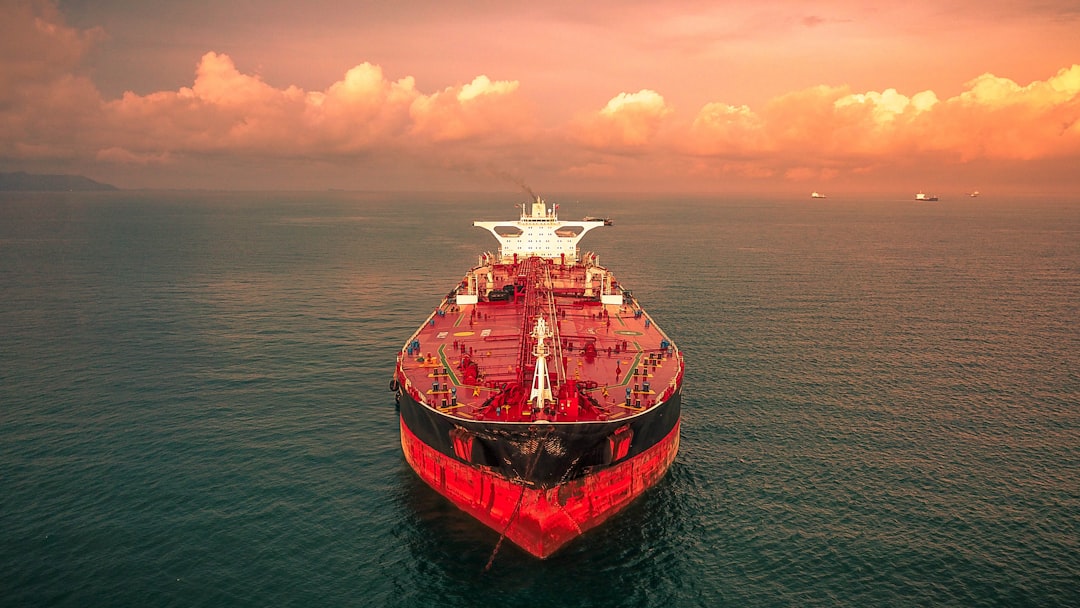
This rejection follows the International Maritime Organization’s (IMO) decision to suspend efforts aimed at evacuating commercial vessels and seafarers currently stranded in the waterway. Iran’s Deputy Foreign Minister Kazem Gharibabadi stated that any third-party intervention contravenes an existing 60-day peace accord signed with the United States.
The Stance of Iran
Gharibabadi emphasized via social media platform X that, according to the Islamabad memorandum of understanding, the responsibility for demining the Strait lies solely with Iran. He warned against France complicating the situation further, indicating that any outside involvement would not be tolerated.

This rejection comes amid heightened tensions, particularly following recent military exchanges between US and Iranian forces. The fraught relationship is underscored by ongoing accusations from both nations regarding violations of the peace accord’s terms.
Impact on Oil Markets
The geopolitical tensions have led to fluctuations in global oil prices, with prices reportedly rising as concerns mount surrounding the security of maritime routes. The Strait of Hormuz serves as a key artery for oil transport, with a significant share of the world’s oil passing through this chokepoint. Shipping operators are urged to remain vigilant as the situation develops.
In the wake of this announcement, market participants are adopting a cautious stance ahead of the scheduled talks in Doha between US and Iranian officials. The outcome of these discussions could potentially alter the dynamics within the region and influence the overall maritime security landscape.
Operator Considerations
Shipowners and operators must assess the implications of heightened tensions in the Strait of Hormuz. With the potential for increased demurrage costs and operational delays should security incidents occur, preparations for rerouting or adjusting voyage plans may be prudent. Monitoring developments closely will be essential for effective risk management in this strategically vital area.
Why It Matters
The rejection of the demining proposal by Iran underscores a significant challenge in securing one of the world’s most pivotal maritime routes. As operators face the potential for increased operational uncertainties and heightened costs, the fragile nature of the peace accord calls for careful navigation within commercial and geopolitical parameters. The upcoming US-Iran talks are expected to be scrutinized by the shipping community, as their outcomes may significantly impact future operations in the Strait of Hormuz.