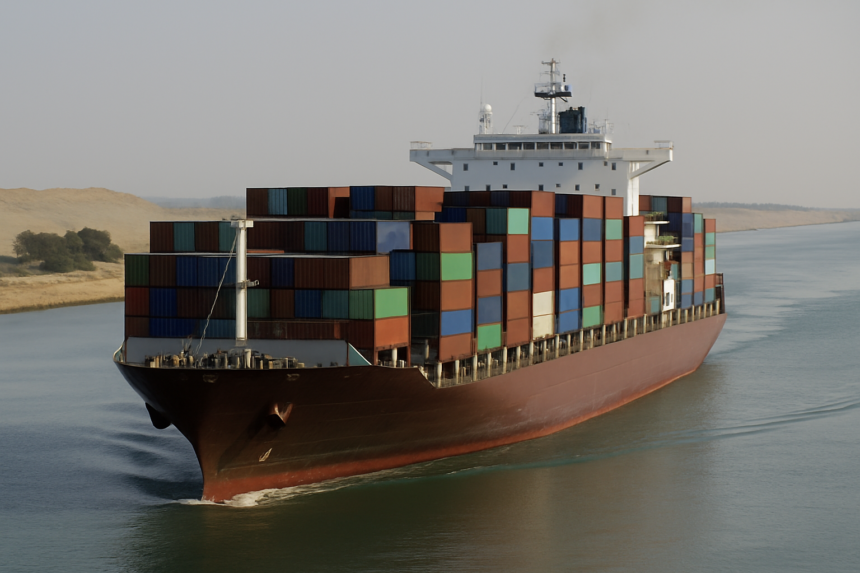
China has urged for the uninterrupted flow of shipping through the Strait of Hormuz, emphasizing the necessity for safe passage amid rising discussions about transit fees imposed by Iran and Oman. This call from the Chinese Foreign Ministry comes as European powers reportedly prepare to accept fee arrangements amidst tensions resulting from the ongoing conflict involving the U.S. and Israel against Iran.
Calls for Action
During a regular press briefing in Beijing, Foreign Ministry spokesman Guo Jiakun stated that resuming safe passage through the strait “serves the interests of all parties.” He said, “A proper settlement is needed to address disruption at the Strait of Hormuz, and the shared concerns in the international community need a proper response.” The comments highlight China’s vested interest given its role as the world’s largest importer of oil and gas, dependence that heavily ties to the stability of shipping routes through this critical chokepoint.
Fee Discussions Raise Concerns
Recent reports suggest that European officials are increasingly resigned to the idea that shipping vessels may need to pay transit fees to Iran and Oman due to the unstable security environment in the region. In fact, some Gulf Arab officials privately share this perspective, although it does not officially reflect their government’s stance. The U.S. alongside Gulf nations is pressing against this notion, asserting that allowing transit charges could set a concerning precedent for maritime navigation globally.

The prospect of fees raises critical concerns about the long-term implications for shipping operations in the Strait of Hormuz, a vital passageway for oil and gas transport. The operational realities in this region could significantly alter if charges come into effect, potentially leading to increased shipping costs and logistical complexities for operators.
The Operational Read
The situation in the Strait of Hormuz underlines the critical interplay between geopolitical tensions and maritime operations. For shipping operators, the ongoing discussions about transit fees introduce a layer of financial implications that could affect laytime and demurrage calculations. As they navigate these developments, operators will need to remain vigilant of how these potential fees might influence shipping routes, operational costs, and overall market dynamics. It will be essential for companies to assess the economic viability of the Strait should fees be implemented and to explore alternative routes if necessary.