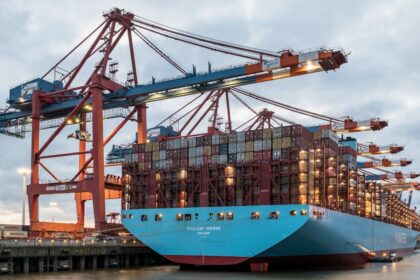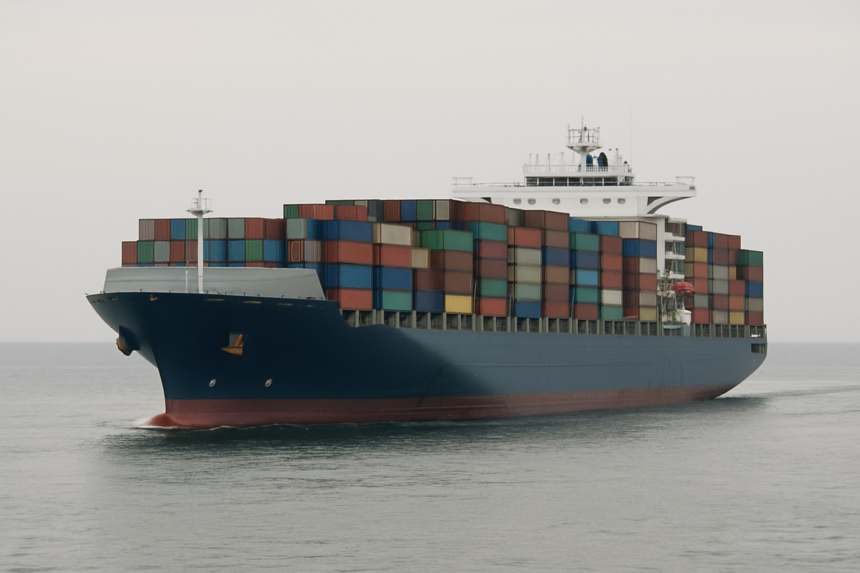
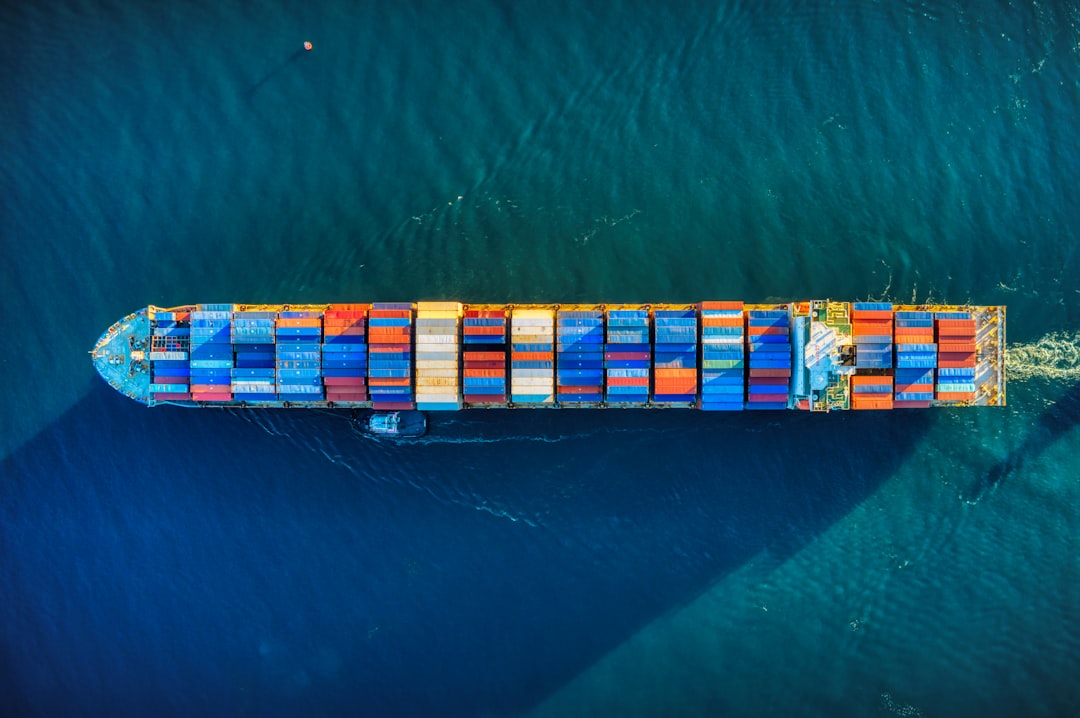
Global container freight rates have seen a 9% increase this week, reaching $4,530 per 40-foot container. This surge is primarily attributed to tightening capacity and robust seasonal demand along key east-west trade routes, as reported by the Drewry World Container Index (WCI).
Rate Increases Across Trade Routes
Notably, the Transpacific routes experienced significant gains, with spot rates from Shanghai to New York increasing by 11% to $7,902 per FEU. Rates to Los Angeles also rose by 10%, reaching $6,349 per FEU. Drewry’s Container Capacity Insight service indicates ongoing constraints in capacity, with eight blank sailings scheduled on the Transpacific route for the upcoming week. This limited availability is prompting carriers to implement General Rate Increases (GRIs) and Peak Season Surcharges (PSS) as they anticipate sustained cargo demand.
In addition, South Korean carrier HMM has revealed a $3,000 peak season surcharge effective from July 15, signaling an alignment with market trends that favor higher rates due to demand pressure.

Asia-Europe Market Dynamics
The Asia-Europe trade routes are also witnessing a strengthening in rates, reflected in the implementation of higher Freight All Kinds (FAK) rates. Spot rates from Shanghai to Genoa rose by 10%, bringing the total to $6,360 per FEU, while rates to Rotterdam increased by 7% to $4,682 per FEU. Unlike the Transpacific, capacity on the Asia-Europe route remains relatively stable, with only one blank sailing noted for the coming week. Carriers have effectively managed capacity while reaping the benefits of strong peak season demand.
Geopolitical Influences on Freight Rates
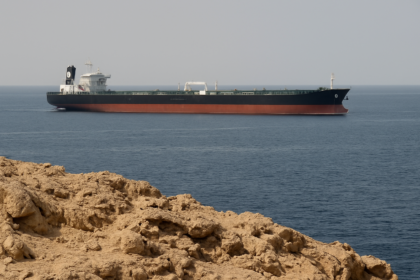
The first half of the year has proven resilient for east-west container markets, as an earlier-than-usual peak season and rising shipping costs linked to geopolitical tensions have added upward pressure on rates. Notably, the interim U.S.-Iran agreement has resumed commercial traffic through the Strait of Hormuz via the establishment of authorized transit routes, which follows prior disruptions caused by regional instability.
However, ongoing security concerns remain acute, especially after a recent attack on a containership near Oman, which has led to the suspension of ship escort operations. As vessel traffic through the Gulf gradually recovers, the combination of these risks and disruptions across major trade lanes continues to sustain upward pressure on freight markets.
Behind the Headline
The evolution of container freight rates underscores the complex interplay of demand, capacity management, and geopolitical factors. For operators, the implementation of GRIs and PSS reflects not only an immediate response tomarket conditions but also a forward-looking strategy to navigate potential supply disruptions. Continuous monitoring of capacity dynamics, especially in the lead-up to peak season, will be critical. Industry stakeholders should remain vigilant regarding geopolitical developments in the Strait of Hormuz and surrounding areas, as these factors could impact operational timelines and cost efficiencies in the near future.