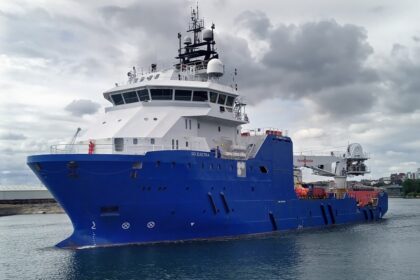
Norwegian offshore vessel owner DOF has secured a contract from TotalEnergies for significant subsea construction activities related to the replacement of an existing Floating Storage and Offloading (FSO) unit. The contract focuses on the Atlantic region, specifically addressing the FSO Unity replacement project.

The Scope of Work
The contract encompasses a range of tasks aimed at ensuring the smooth transition from the existing FSO to the new unit. Key aspects include the engineering and transportation of components necessary for the operation, as well as the installation of subsea infrastructure. Notably, the project also involves the mooring and disconnection processes for the current FSO, which is critical for maintaining operational continuity during the transition phase.
Strategic Importance
This initiative is a crucial part of TotalEnergies’ strategy to enhance its offshore capabilities, particularly in ensuring the safety and reliability of its operations in the Atlantic. The replacement of the FSO Unity is expected to reduce operational risks and improve efficiency, thereby supporting the company’s broader objectives within the offshore sector.


Market Reception
The awarding of this contract to DOF signals confidence in the company’s capabilities to handle complex offshore projects. As the global demand for energy continues to evolve, partnerships such as this may play a vital role in ensuring that robust and reliable offshore infrastructure is maintained.
Behind the Headline
The operational implications of this contract highlight the intricacies involved in subsea construction projects. For operators, the engineering and installation of subsea infrastructures require specialized expertise and careful coordination, particularly during the disconnection and connection phases, which are critical to ensuring no interruption in service. As the industry witnesses a trend towards modernization of existing assets, the importance of such projects cannot be overstated. Future developments will be closely monitored as they may influence broader trends in offshore operations and procurement strategies.