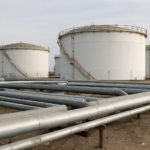
The U.S. Treasury has announced sanctions aimed at disrupting a fuel smuggling network linked to Mexican cartels. This operation allegedly utilizes logistics companies and falsified customs documents to transport illicit hydrocarbons across the U.S.-Mexico border.
Details of the Operation
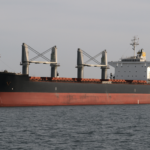
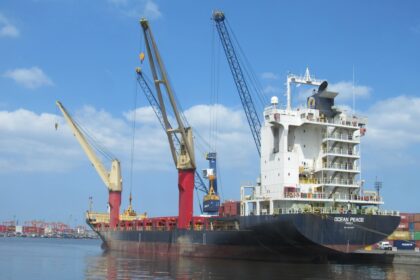
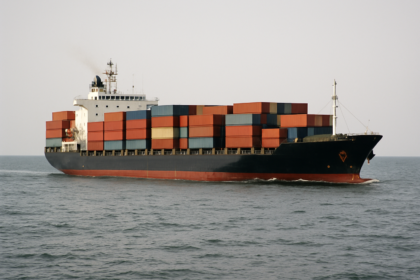
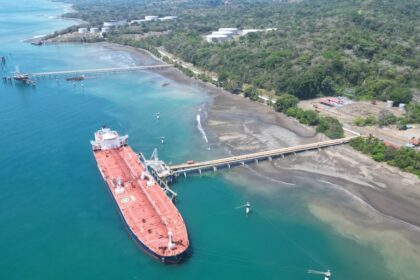
The sanctions, implemented by the Department of the Treasury’s Office of Foreign Assets Control and the Financial Crimes Enforcement Network, mark a significant escalation in the U.S. government’s efforts to combat transnational crime linked to fuel smuggling. The cartel’s methods involve maritime transport, complicating regulatory challenges and enforcement measures for shipping operators traversing this critical trade corridor.
Impact on Maritime Operations
As U.S. authorities intensify their focus on these smuggling routes, legitimate shipping operations may experience increased scrutiny. Customs officials and maritime transport companies could face heightened compliance requirements, affecting logistics planning and operational efficiency. This situation may also introduce delays in the clearance of legitimate cargo as regulations tighten around cargo documentation.


Potential Consequences for Shipping Firms
With criminal enterprises increasingly exploiting vulnerabilities within the supply chain, legitimate maritime logistics companies must adapt to evolving threats. The fallout from these sanctions may deter some operators from riskier routes, thereby reshaping commodity flows and shipping strategies. Companies engaging in cross-border transactions should reassess their compliance measures to mitigate risks associated with inadvertent associations with illicit activities.
Behind the Headline
This recent action against Mexican cartel-linked fuel smuggling reflects a growing recognition of how organized crime manipulates supply chains, particularly within maritime transport. For operators, remaining vigilant to identify potential red flags is critical to protecting their interests. Moving forward, companies must enhance their due diligence processes and ensure compliance with U.S. regulations to navigate an increasingly complex operational landscape. The situation warrants close monitoring for potential shifts in border logistics stability and regulatory requirements in the coming months.