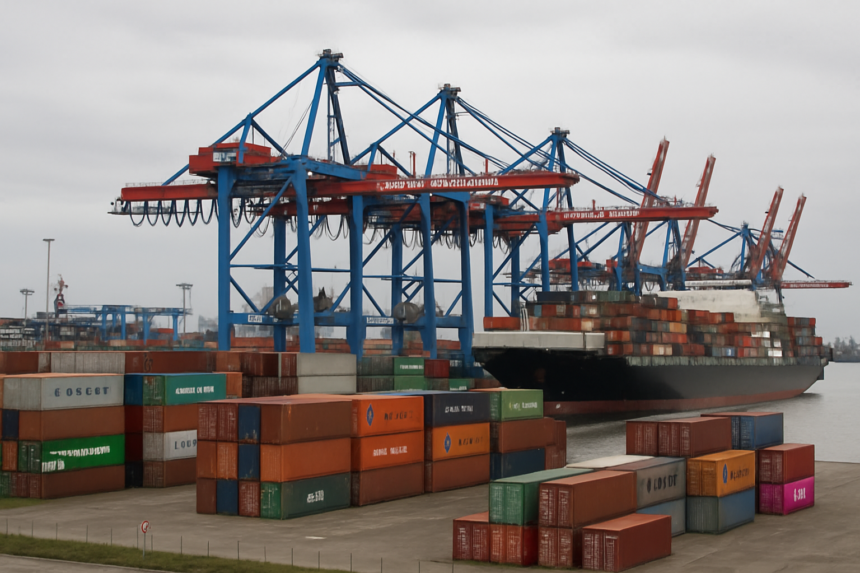
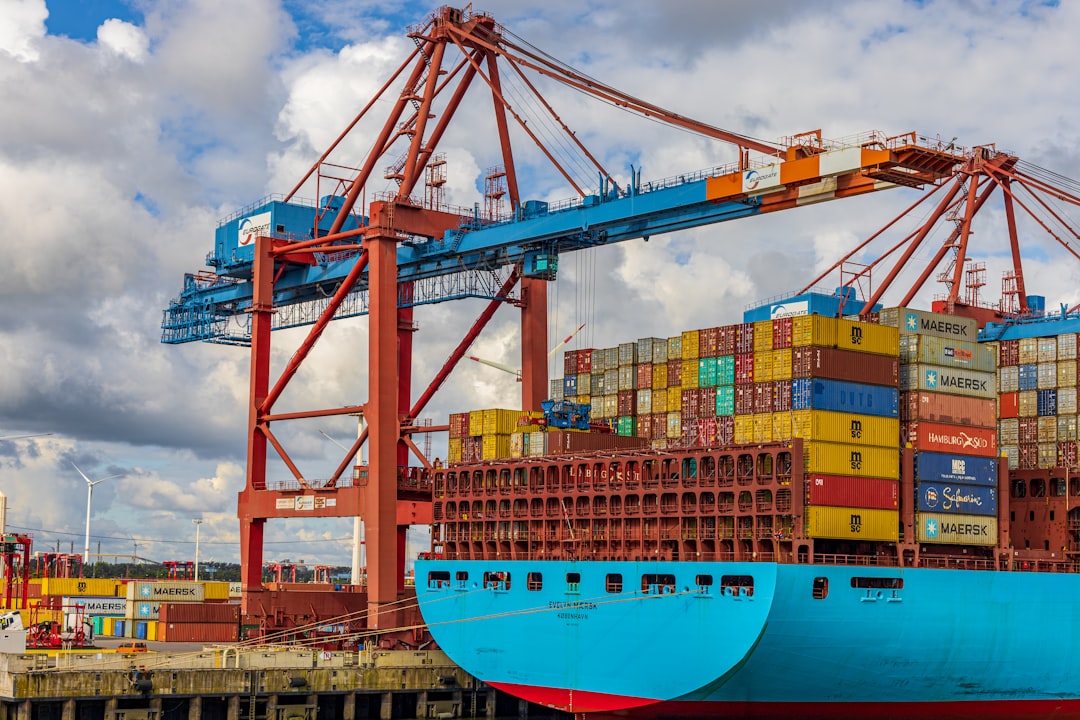
Hapag-Lloyd’s terminal subsidiary, Hanseatic Global Terminals (HGT), has announced significant investments aimed at enhancing its terminal operations at key shipping gateways. The company has agreed to purchase a 20% stake in the Eurogate Container Terminal Hamburg (CTH) and has increased its share in Morocco’s TC3 terminal at Tangier Med from 10% to 20%. These deals are currently awaiting regulatory approval and represent a strategic move to fortify Hapag-Lloyd’s footprint in crucial markets.
Strategic Significance of Hamburg
The agreement to acquire a stake in Eurogate Container Terminal Hamburg is particularly noteworthy, as this terminal is one of the busiest in Northern Europe. By establishing a larger role in this terminal, Hapag-Lloyd aims to improve its operational efficiency and service reliability in a region that is critical for container shipping. Hamburg’s location provides direct access to major trade routes, making it an essential hub for both import and export activities.
Tangier Med’s Growing Role
Similarly, the increase in stake at Tangier Med’s TC3 terminal underscores Hapag-Lloyd’s intent to solidify its presence in the African market. Tangier Med is rapidly evolving into a key transshipment hub that connects Europe with Africa and Asia. By doubling its investment, Hapag-Lloyd is positioning itself to better manage cargo flows across these routes, which are expected to grow due to expanding trade relationships.

Market Implications
The consolidation of terminal stakes by Hapag-Lloyd may lead to increased competition among shipping lines seeking to enhance their service offerings. Improved terminal infrastructure can lead to faster turnaround times and reduced laytimes for vessels, giving operators strategic advantages in expedited shipping processes. The pending regulatory approvals will be a focal point for industry stakeholders watching market developments closely.
Behind the Headline
The operational implications of Hapag-Lloyd’s investments are significant. The enhanced terminal capabilities at both Hamburg and Tangier Med can facilitate increased cargo volumes and more efficient logistics management. These strategic stakes are anticipated to equip Hapag-Lloyd with greater control over its supply chain, addressing evolving customer demands while optimizing laytime and reducing associated costs. As these developments unfold, stakeholders should monitor the regulatory approval timeline and subsequent impacts on shipping networks across Europe and Africa.