The Incident
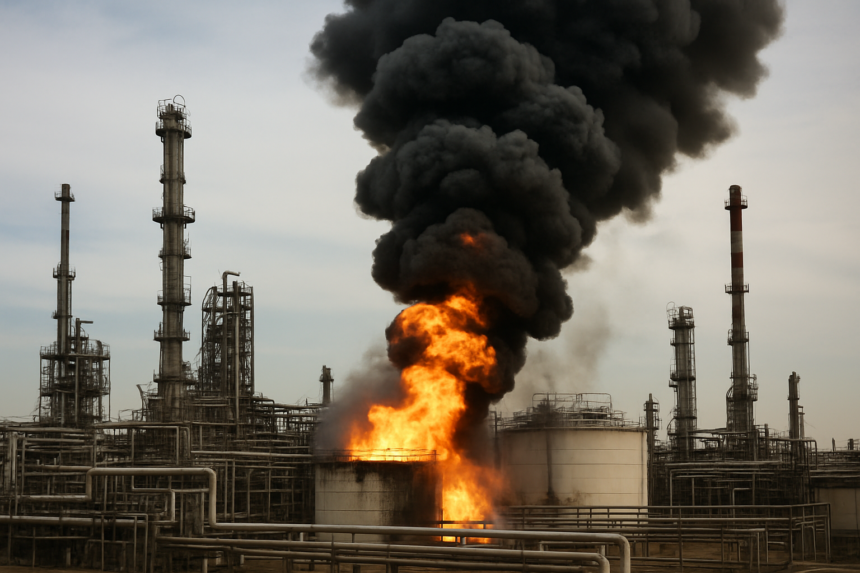
Ukraine’s recent missile strike on the Sloviansk refinery has sparked a fire at one of southern Russia’s major oil processing facilities, resulting in one death and another injury from falling debris. The refinery, with an annual processing capacity of approximately 4 million tons of crude oil, serves as a significant source of petroleum products for export through Russia’s Black Sea ports, including marine fuel, naphtha, and fuel oil. This incident has alarmed Russian authorities about the increasing vulnerability of its energy infrastructure amidst the ongoing conflict with Ukraine.
Impact on Fuel Supply
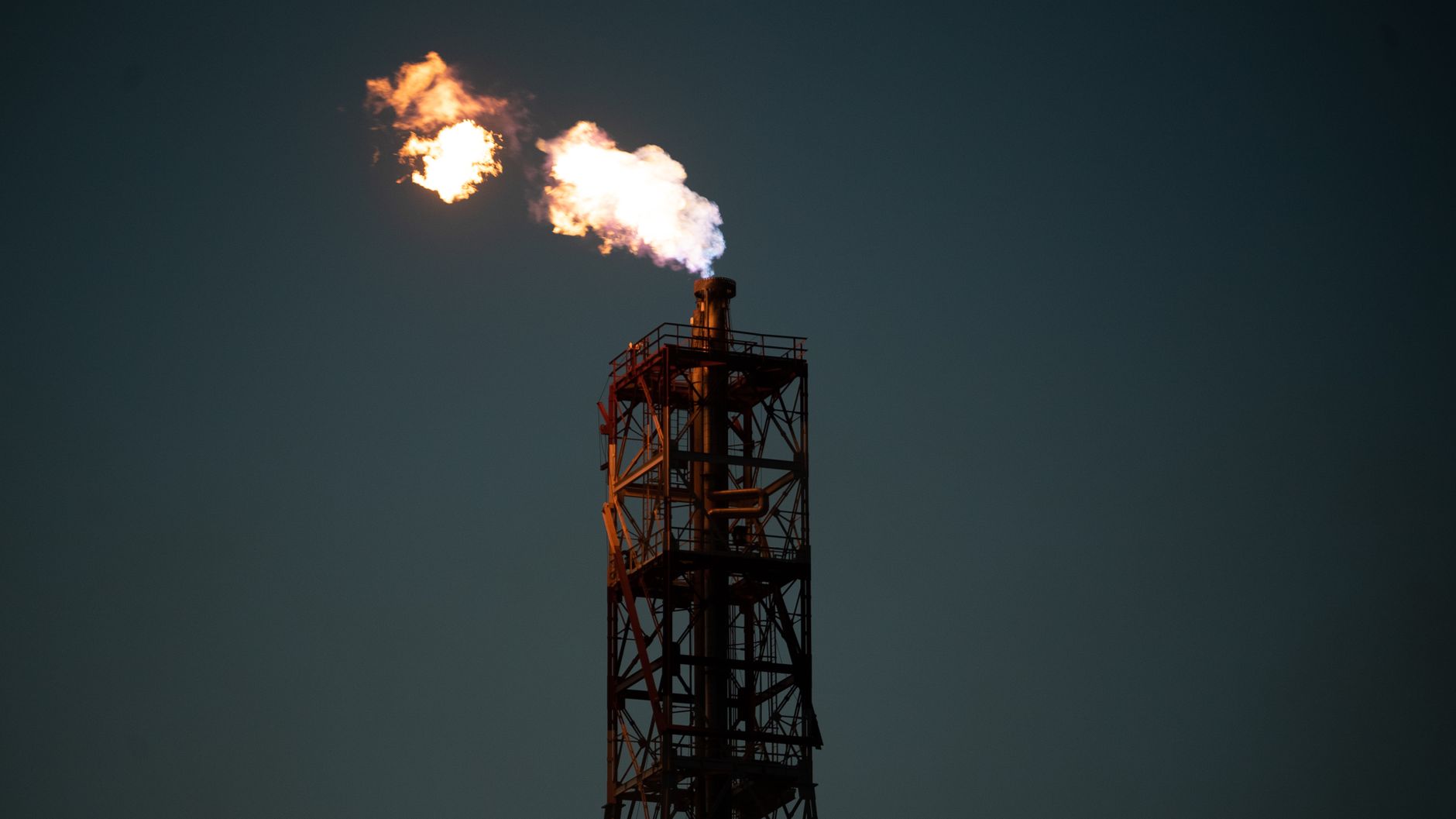
In light of these developments, Russian President Vladimir Putin publicly acknowledged for the first time on Sunday that the country is experiencing a “certain deficit” of fuel. This admission reflects the substantial impact of the Ukrainian assaults on key energy facilities, leading to concerns about the stability of fuel supplies not only for military operations but also for civilian needs. Following the attacks, Governor Veniamin Kondratyev confirmed the refinery fire and the pressing situation in the region impacted by these strikes.
Official Responses
Following the incident, President Putin vowed to reinforce security measures at oil facilities and ramp up domestic fuel production to mitigate the effects of the conflict. He stated that Moscow remains committed to fulfilling social obligations amidst the turmoil and has promised an increase in fuel deliveries to Crimea, coupled with the acceleration of repair works at affected facilities. Putin’s remarks underscored the government’s intention to address these supply challenges while reiterating a firm stance against the Ukrainian assaults, which he described as attempts to instigate discord within Russian society.

The Operational Read
The recent strikes on Russian energy infrastructure underline the vulnerability of key assets within the country’s oil production and supply chain. The Sloviansk refinery fire not only presents immediate operational challenges but also highlights longer-term risks associated with persistently targeted facilities. For operators and charterers, the implications may include potential supply disruptions, increased bunker costs, and rising war-risk premiums in affected areas. Monitoring the effectiveness of Russian countermeasures, both in terms of security and rapid repair capabilities, will be crucial for stakeholders reliant on steady fuel supplies. Continued Ukrainian strikes may catalyze shifts in regionally concentrated supply routes and prompt reassessments of operational strategies in the face of escalating risks.