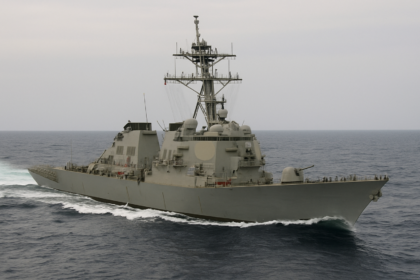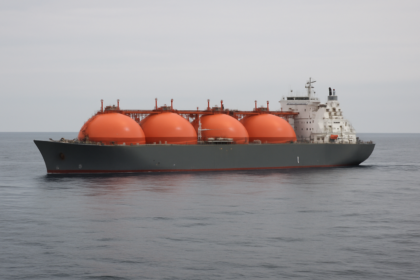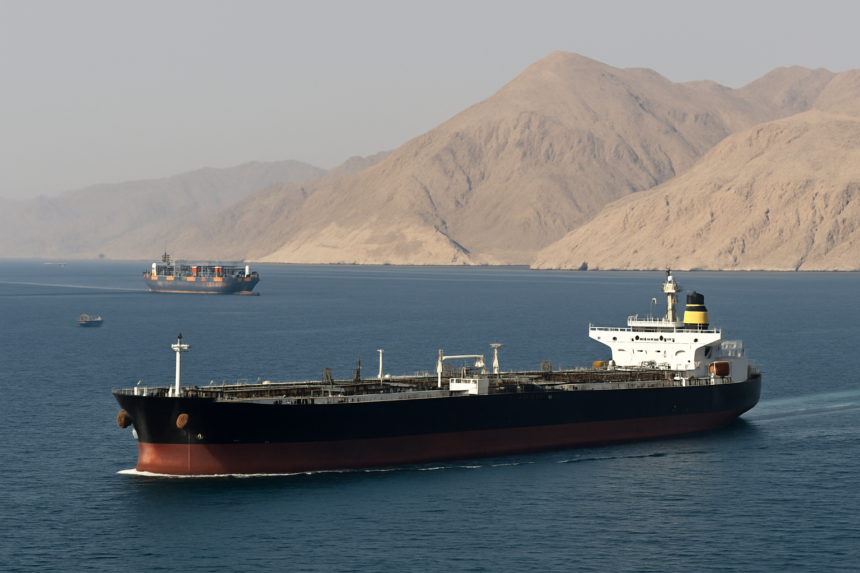
The security landscape in the Strait of Hormuz has deteriorated significantly following new military strikes exchanged between US and Iranian forces over the weekend. These incidents effectively signal the collapse of the already fragile peace that governed the waterway.
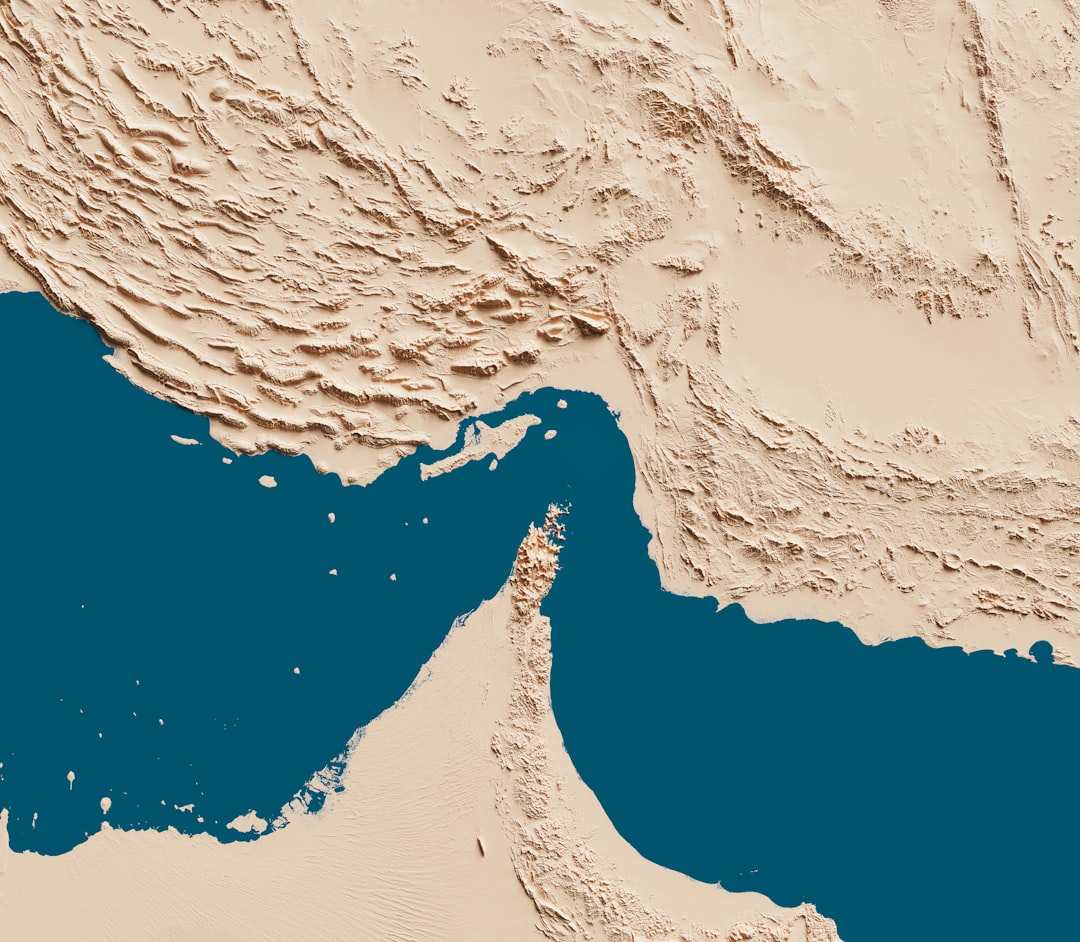
As diplomats prepare to convene in Doha on Tuesday to discuss potential avenues for salvaging the ceasefire, the willingness of either party to adhere to previous agreements remains uncertain. The stakes are particularly high, considering the Strait of Hormuz is responsible for a considerable share of global oil shipments.
The Incident
Recent hostilities have raised concerns about operational safety, with incidents reported that disrupt the normal flow of maritime traffic in this critical chokepoint. Although specific details surrounding the military actions have yet to be fully disclosed, the incidents signify a worrying trend of renewed aggression.

Market Impact
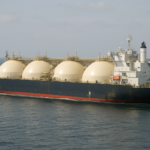
The rising tensions in the Strait of Hormuz have led to significant implications for commercial shipping operators. Analysts suggest that war-risk premiums are expected to escalate as operators reconsider the safety of transiting the region. This could lead to increased freight costs and potential delays, impacting supply chains that rely on the timely movement of goods.
Operator Response
Shipping companies are currently evaluating contingency plans to mitigate risks associated with the conflict. Some operators are reportedly exploring rerouting options away from the Strait of Hormuz, which could lead to longer transit times and higher operational costs. Such adaptations will be crucial for maintaining service integrity in this period of uncertainty.
The Operational Read
The current geopolitical climate in the Strait of Hormuz represents a significant operational challenge for maritime stakeholders. With US-Iran tensions at a peak, operators must brace for potential disruptions in their normal routing and shipping schedules. The feasibility of rerouting vessels not only raises logistical questions but also escalates operational costs due to longer distances and increased fuel consumption. Vigilance in security assessments and readiness for rapid changes in the operational environment will be critical in the coming weeks, especially during ongoing diplomatic efforts in Doha.