Update 26 Jun 2026, 20:40 UTC:
DUBAI/LONDON, June 26 – Iran has reiterated its sovereignty over the Strait of Hormuz, insisting on its right to control shipping in the crucial waterway. This statement follows an attack on a vessel near Oman, highlighting vulnerabilities in the ongoing negotiations regarding maritime operations in the region.
The Iranian Deputy Foreign Minister, Kazem Gharibabadi, criticized a joint statement from the United States and six Gulf states, describing it as ‘interventionist and irresponsible.’ He warned that safe passage through the strait cannot be assured without recognizing Iran’s role as a coastal nation. Iran’s position further complicates an already fragile diplomatic landscape.


Iran’s Maritime Enforcement Actions
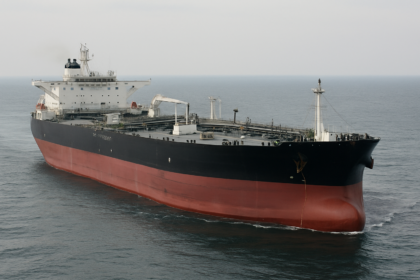
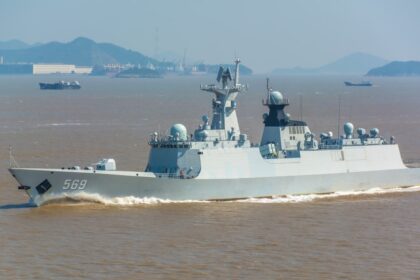
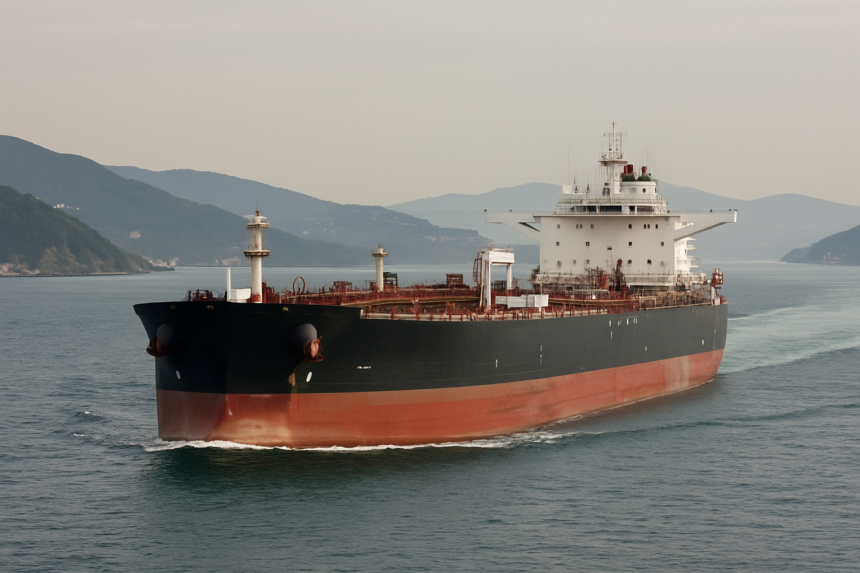
In a show of enforcement, Iranian state media reported that three foreign tankers were turned back by the Islamic Revolutionary Guard Corps (IRGC) for attempting unauthorized passage through the strait. No additional details regarding the vessels or the incident were provided.
U.S. officials acknowledged awareness of these incidents. Secretary of State Marco Rubio, during a recent tour aimed at reassuring regional allies, asserted the commitment of the U.S. to maintaining the free flow of traffic. Both the U.S. and the Gulf Cooperation Council have called for ‘free, unconditional, and unrestricted navigation’ in the strait.
Impact on Energy Markets
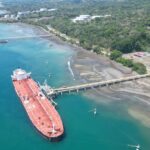
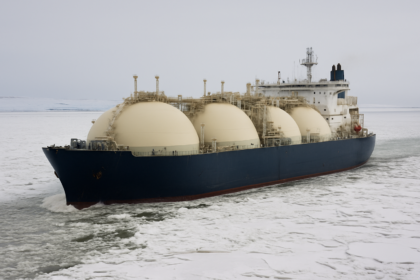
Following these developments, oil prices dropped more than 3%, contributing to a potential week of significant losses for the commodity. The Strait of Hormuz, typically a conduit for a fifth of global oil and liquefied natural gas supplies, is a critical point for energy markets. In a positive development, Saudi Aramco has resumed crude oil loadings at Ras Tanura, the largest oil port in the world, after nearly four months of halted operations.
Additionally, the resumption of fertilizer shipments has raised hopes of alleviating fears over potential spikes in global food prices resulting from transit disruptions. Notably, this resurgence may indicate a cautious stabilization of shipping activities following the interim deal discussions.
The Operational Read
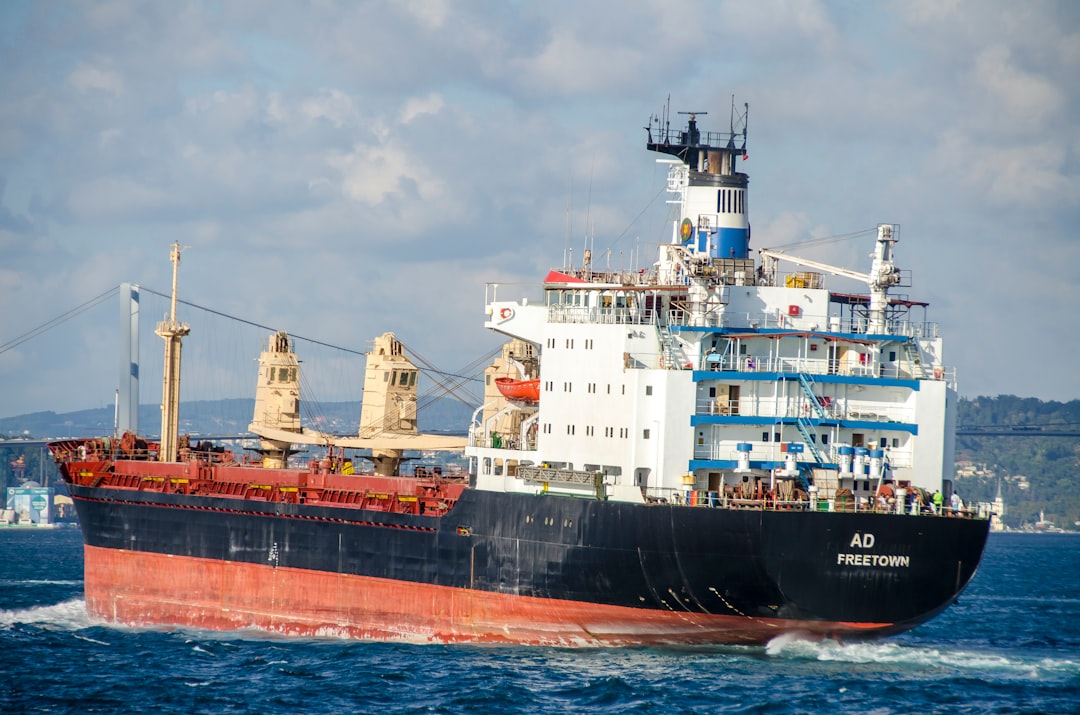
Elevated tensions in the Strait of Hormuz signal a precarious operational environment for maritime operators. The assertion of control by Iran complicates navigation planning, increasing the likelihood of heightened maritime security measures for tankers and bulk carriers. Operators may need to reevaluate transit routes and consider rerouting to mitigate risks associated with potential enforcement actions by the IRGC. Given the significance of the strait as a global oil passage, developments in U.S.-Iran relations will be critical to watch, as well as the implications of Iran’s military posture on regional shipping operations. Compliance with potential toll systems or navigation restrictions could further alter the operational landscape in this vital corridor.